
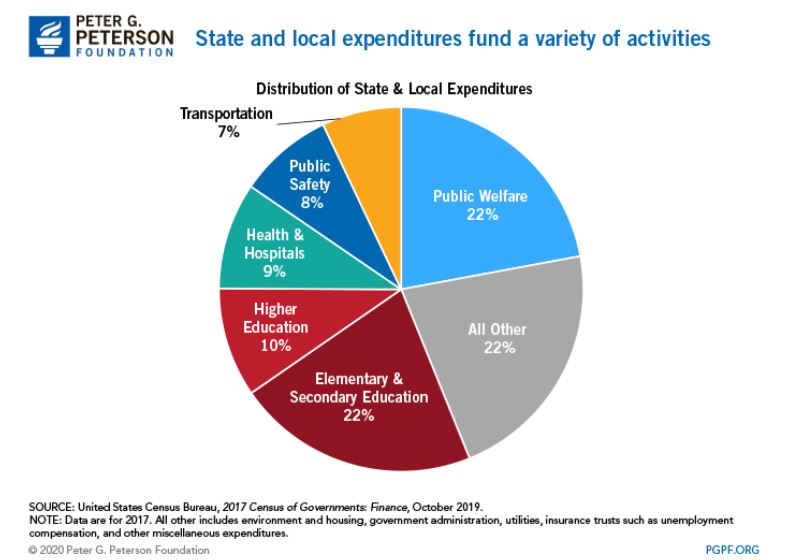
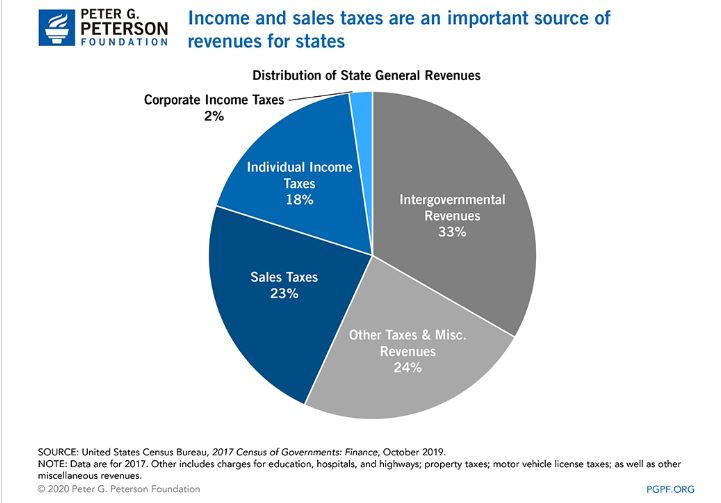
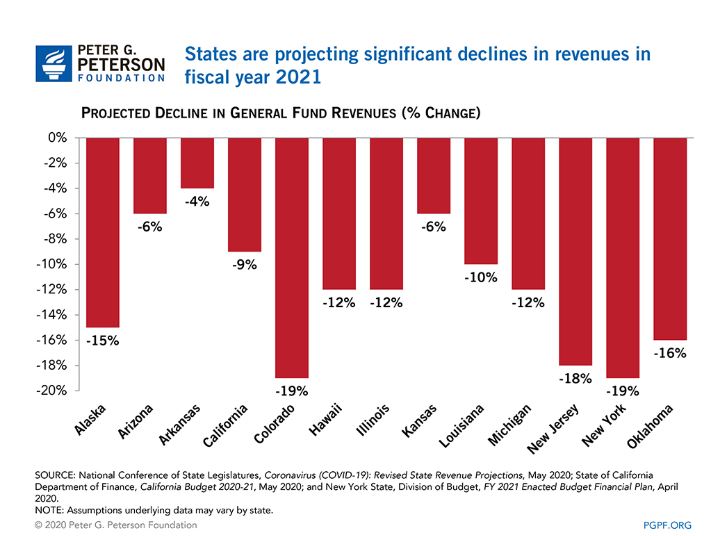
The Peterson Foundation states that “State and local governments fund many of the services that Americans come into contact with on a daily basis, including education, healthcare, infrastructure, income support programs, and police departments. However, governors, state budget officers, and economists are warning that state budgets have been severely impacted by the coronavirus (COVID-19) pandemic.”
In the wake of COVID19, New York City has had to make significant budget cuts for the Department of Education (DOE). For this reason, 3-K for All will no longer be expanding to Districts 1 (Chinatown, East Village, Lower East Side), 12 (Central Bronx), 14 (Greenpoint, Williamsburg), and 29 (Southeast Queens) in September 2020; instead, the DOE plans to offer 3-K in these districts beginning in fall 2021. The DOE will continue to offer year-round programs as planned, including in Districts 1, 12, 14, and 29. These programs, including Head Start, are still available on the 3-K application for families who qualify based on their income and needs. To learn more about eligibility, visit nyc.gov/3k.
One of the biggest cuts to the DOE budget is a $40 million cut to School Allocation Memorandums, which allow principals to use money for what they need at their schools, officials said. There’s also a hiring freeze that’s expected to save the DOE millions. Per Carranza’s letter to teachers, that means “that virtually all vacant positions will not be backfilled. ”
NYC Department of Education Chancellor Richard Carranza sent staffers an email on July 1, 2020 that summarized the following budget cuts:
While many important questions remain, I want to share what we know about the budget.
Overall, the Adopted Budget includes $400 million in new cuts, and $125 million in restorations of previous cuts, across FY 2020 and FY 2021.
New cuts to FY 2021 include:
- $50 million in summer busing savings as a result of Summer in the City programming going remote this summer.
- $30 million in savings to central and field offices resulting from the hiring freeze and OTPS reductions. As stated to divisional COOs, this means that virtually all vacant positions will not be backfilled.
- $10 million in cuts to the Schools Out NYC (SONYC) afterschool program.
- $21 million in cuts to per session budgets, reducing the amount of enrichment, services, and support for students outside of the school day, as well as teacher professional development.
- Reductions to centrally-administered school support initiatives, including Comprehensive School Support, EduStat, Teaching Fellows, Teacher’s Choice, Teacher and Principal Leadership programs, and Community Schools.
- Further reductions to central OTPS budgets that support travel, food, and other contract spending.
We will continue to keep you posted as developments arise, but it’s also important to recognize that there was some positive news. Restorations of previous cuts include:
- A previously proposed $100 million Fair Student Funding reduction has now been restored. A school-based hiring freeze remains in effect.
- The Single Shepherd program, as well as certain social worker positions, have been restored after previously proposed cuts. This will maintain critical academic and mental health counseling support to historically underserved schools.
Even with these restorations, going back to last July, the net impact of budget reductions over Fiscal Years 2020 and 2021 has been over a billion dollars.
And that is sobering news!

 Dr. J's Education Blog