
The goal of Touro University’s TESOL/Bilingual Program
The goal of the TESOL and Bilingual Education program is to equip educators with the necessary knowledge, skills, and strategies to provide exemplary instruction and support for English language learners, multilingual learners, and bilingual students. The program strives to cultivate culturally responsive teaching practices and services, facilitate the acquisition and development of language skills, and enhance educators’ ability to cater to the diverse needs of students from linguistically and culturally diverse backgrounds. By incorporating data-driven and research-based approaches, effective pedagogical methodologies, and practical strategies, the program empowers educators to establish inclusive, stimulating and nurturing learning environments that promote the academic achievement, emotional support and linguistic progress of all students.
Discussion boards play a pivotal role in online learning environments, serving as dynamic platforms that foster collaborative learning and meaningful engagement among students. These virtual spaces provide a unique avenue for learners to share ideas, ask questions, and engage in thoughtful discussions beyond the limitations of traditional classrooms. “Online discussion forums are asynchronous communication tools that are widely used in Learning Management Systems. Forums enable instructors to understand and intervene in learning activities, and students have time to think and formulate answers. Individuals collaboratively build knowledge while collaborating in an asynchronous online environment. Therefore, a well-coordinated educational forum is a valuable tool to promote reflection on learning, share information and perspectives, and connect students.” (de Lima et al, 2019)
By encouraging active participation and exchange of diverse perspectives, discussion boards enhance critical thinking, problem-solving, and communication skills. They create a sense of community and promote inclusive learning, allowing learners from different backgrounds to connect, contribute, and learn from one another. Through the power of discussion boards, students can deepen their understanding of course content, gain insights from peers, and develop a richer and more comprehensive learning experience. By asking for references and quotes, candidates must support their writings in the area of ChatGPT.
Publishing graduate student work on a professor’s blog is immensely beneficial for graduate students. It provides them with a unique opportunity to showcase their work and findings to a wider audience, beyond the confines of their academic circle. This exposure not only helps in building their academic reputation but also enhances their visibility within their peer network and community ultimately enriching their academic journey and future career prospects.
References:
de Lima, D. P., Gerosa, M. A., Conte, T. U., & Francisco, J. (2019). What to expect, and how to improve online discussion forums: The instructors’ perspective. Journal of Internet Services and Applications, 10(1), 1-15. https://doi.org/10.1186/s13174-019-0120-0
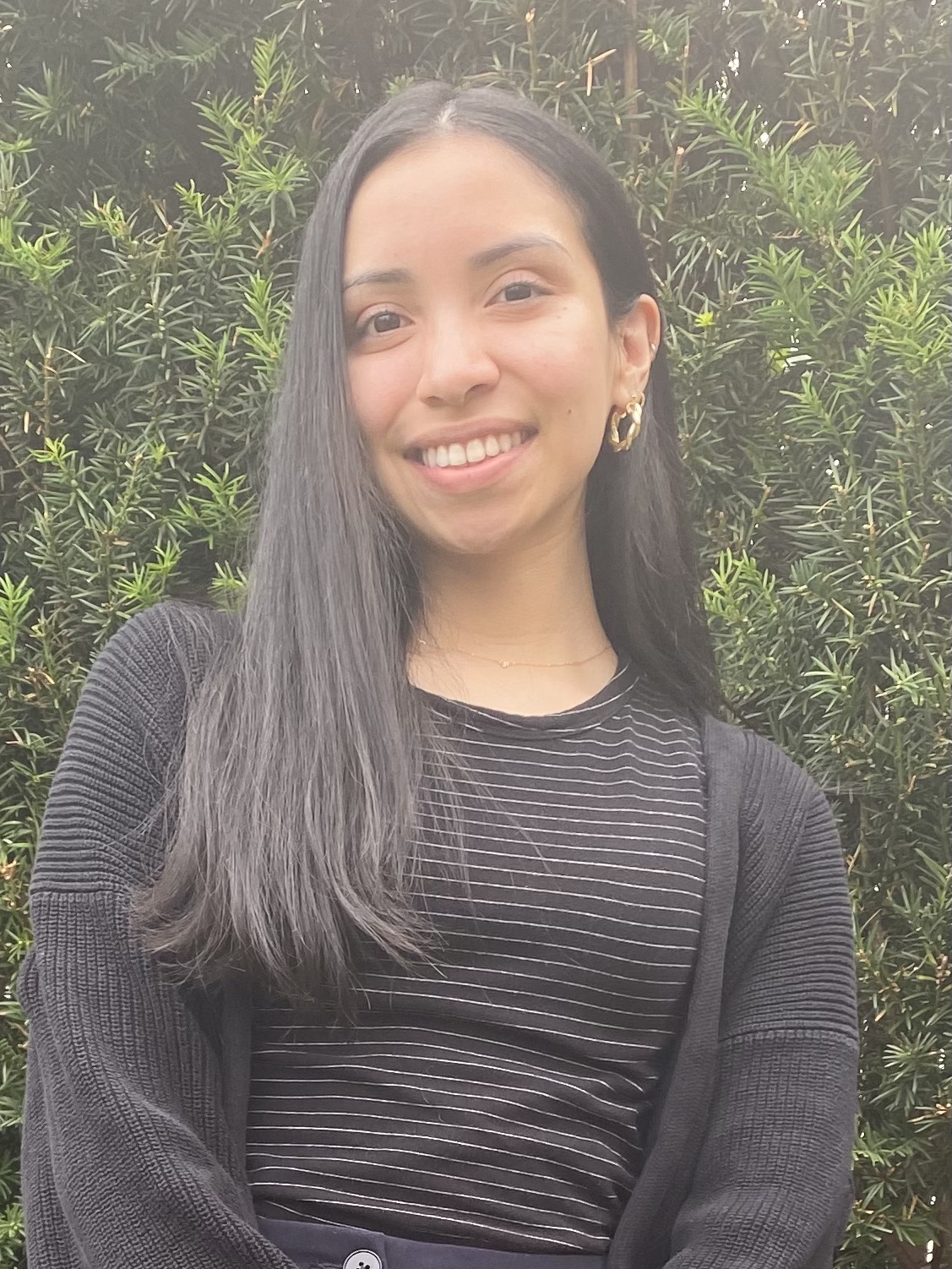
Kenia Torres graduated summa cum laude from St. Joseph’s University in May 2022 with a Child Studies degree and a concentration in Speech Communication. She is currently pursuing her Bilingual Extension from Touro University. Kenia is a bilingual kindergarten teacher in the Brentwood Union Free School District in Brentwood, NY. She is certified in Birth-6th grade in general and special education. Kenia aspires to be a school leader in the future.

DB 3 Program Models – Bilingual & ESOL Questions
- CREATE A COMPARATIVE TABLE WITH AT LEAST 3 POINTS: How do the BLUEPRINT FOR ENGLISH LANGUAGE LEARNER/MULTILINGUAL LEARNER (ELL/MLL) SUCCESS http://www.nysed.gov/common/nysed/files/nys-blueprint-for-ell-success.pdfLinks to an external site. and CR Part 154 Comprehensive ELL Education Plan (CEEP) and ENL staffing requirements connect with each other? http://www.nysed.gov/bilingual-ed/cr-part-154-comprehensive-ell-education-plan-ceep? Links to an external site.http://www.nysed.gov/common/nysed/files/programs/bilingual-ed/enl-k-8-units-of-study-table-5-6-15.pdfLinks to an external site.
- How might the principles of CLT be applied or adapted to meet the challenge posed by the following context? Students seem to be shy and unaccustomed to discussing topics of a personal or social nature with one another, and the teaching approach is very teacher-centered. Celce-Murcia, Marianne; Brinton, Donna M.; Snow, Marguerite Ann. Teaching English as a Second or Foreign Language (Chapter 2). Heinle ELT. Kindle Edition.
Kenia Torres’ DB Contribution
| Program Models | Blueprint for English Language Learner/ Multilingual Leaner (ELL/ MLL) Success | CR Part 154 Comprehensive ELL Education Plan (CEEP) and ENL staffing requirements |
| School and school leaders role in education | Ensuring that districts and school leaders are trained in meeting the needs of ELLs/MLLs in order to cultivate a school culture of high expectations. | As in previous years, all Local Educational Agencies (LEAs) are required under Part 154 of the Commissioner’s Regulations (CR Part 154), to develop a CR Part 154 Comprehensive ELL Education Plan (CEEP) to meet the educational needs of English Language Learners (ELLs) (CR Part 154-2[b]). |
| Instructional guidelines for educators of the program models | Requires educators to design and deliver instruction that is culturally and linguistically appropriate for all diverse learners, including those with Individualized Education Programs (IEP). | Requirements that outline specific instructional time for ELLs, are dependent upon students’ language proficiency levels. |
| Instruction that is grade-appropriate, and academically rigorous | This model requires school districts and schools to engage all English Language Learners/Multilingual Learners in instruction that is grade-appropriate, academically rigorous, and aligned with the New York State Prekindergarten Foundation for the Common Core and P-12 Common Core Learning Standards. | The CEEP is divided into multiple sections in which LEAs must outline how they are addressing the needs of their ELLs and describe their strategic plan for providing grade-appropriate, linguistically and academically rigorous instruction that will allow ELLs to meet the Next Generation Learning Standards. |
2. How might the principles of CLT be applied or adapted to meet the challenge posed by the following context? Students seem to be shy and unaccustomed to discussing topics of a personal or social nature with one another, and the teaching approach is very teacher-centered. Celce-Murcia, Marianne; Brinton, Donna M.; Snow, Marguerite Ann. Teaching English as a Second or Foreign Language (Chapter 2 Heinle ELT. Kindle Edition.
Communicative language teaching facilitates language learning by assisting learners in using language in real world circumstances that they are likely to encounter. As described by Celce-Murcia, M. (2013), CLT emphasizes language learning “for the purpose of communicating with others”. In the situation described above, the educator may develop a more CLT teaching approach by encouraging students to speak in English to the best and or most desirable extent possible. Further, the teacher may have students to develop rapport with one another by discussing their interests and or concerns with one another and working in groups. This will make them more comfortable talking to one another in a casual setting. Finally, the educator can also develop peer and teacher relationships by increasing interactions with students and asking questions that can lead to more responses from students and create an environment for more personalized discussions.
References:
References
Blueprint for english language learner success – new york state … (n.d.). https://www.nysed.gov/sites/default/files/nys-blueprint-for-ell-success.pdf Links to an external site.
Celce-Murcia, M. (2013). Teaching English as a Second or Foreign Language. Fourth Edition. Heinle Cengage Publishing. ISBN-13: 978-1111351694
CR Part 154 comprehensive ell education plan (Ceep). New York State Education Department. (n.d.). https://www.nysed.gov/bilingual-ed/cr-part-154-comprehensive-ell-education-plan-ceepLinks to an external site.
Cr part 154-2 (K-8) english as New Language (ENL) units of study and … (n.d.-b). https://www.nysed.gov/sites/default/files/programs/bilingual-ed/enl-k-8-units-of-study-table-5-6-15.pdf Links to an external site.

 Dr. J's Education Blog