
In my previous article for Stankevicius, “The Veldt 2.0: Your Smart Home Wants Your Children,” I drew on Ray Bradbury’s 1950 short story “The Veldt” to warn that the corporate arms race in artificial intelligence is no longer confined to laboratories and trading floors; it is creeping into nurseries and playrooms. I argued that when companies such as Mattel announce plans to embed OpenAI’s language and video models into children’s toys, the Moloch trap comes home. Bradbury’s fictional HappyLife Home, with its immersive nursery, serves as a blueprint for a smart-home ecosystem in which machines monitor and mediate children’s relationships. Negative highlights are privacy breaches, the risk that intimate recordings could be repurposed into deepfake child pornography, and the broader danger that children might form their first emotional attachments with responsive algorithms rather than with human caregivers.
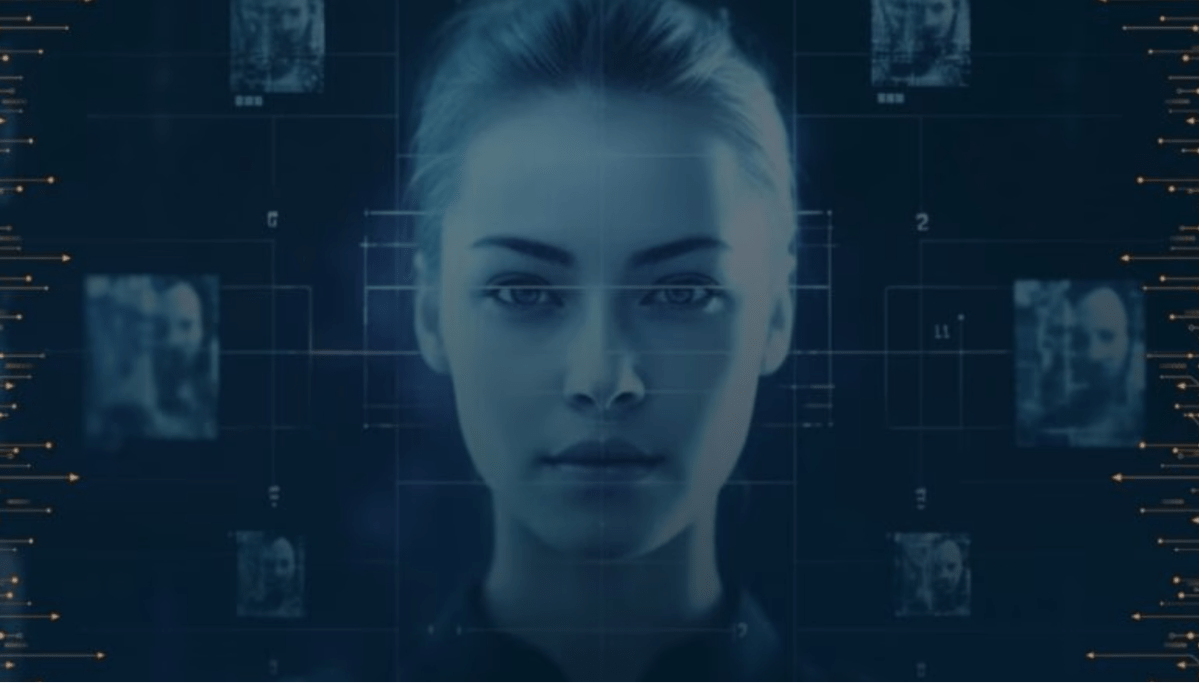
This exclusive Stankevicius article extends that moral inquiry from the home to the public sphere. Deepfakes, convincing audio and video fabrications generated by machine-learning models, transform images and voices into programmable surfaces. They threaten to dissolve the link between what we sense and what is real. The problem is not merely technological; it is moral and political. Drawing on C. S. Lewis’s dystopian novel That Hideous Strength (1945) to explore how technocratic institutions manipulate belief. In the book the National Institute of Co‑ordinated Experiments (N.I.C.E.) attempts to recondition public opinion by flooding society with narratives that make disbelief costly.
Today’s stakes are high. Recent incidents highlight the significant advancements in technology and the continued inadequacy of institutional preparedness. In early 2024, as reported by CNN, the British engineering giant Arup revealed as $25 million deepfake scam, centered around a finance worker in Hong Kong who transferred 39 million dollars (HK$200 million) during a video meeting, believing she was speaking to her executives; the “colleagues” were AI‑generated.
Cowin, J. (2025, October 9). From Lewis’s Hideous Strength to Deepfakes and the Machinery of Belief. Stankevicius. https://stankevicius.co/artificial-intelligence/from-lewiss-hideous-strength-to-deepfakes-and-the-machinery-of-belief/

 Dr. J's Education Blog