

As a professor, I created this blog as a mechanism to support, appreciate and showcase exemplary work of my graduate and professional Touro University TESOL/BLE teacher candidates. By emphasizing candidates’ best work, and their innovative, thoughtful, reflective contributions I provide a path to shift the focus to their professional values, while recognizing and celebrating their significant milestones in the Touro University TESOL/BLE program.
Dr. Jasmin (Bey) Cowin (Assistant Professor and TESOL Practicum Coordinator, Touro University, GSE)
EDDN 637 Second Language Learners and the Content Areas: Students will become acquainted with and practice effective approaches, methods, and strategies for teaching and evaluating English language learners in the content areas (ELA, social studies, math and science). Throughout the course, students will explore the impact of culture and language on classroom learning. Special challenges in teaching and assessment in each content area will also be discussed. Includes 15 hours of fieldwork.
Evdokia Gasparis: “My family consists of many English language learners, which has influenced me to pursue a master’s degree in TESOL. I completed a bachelor’s degree in elementary/early childhood education and psychology from Queens College, which led me to attain a 1-6 common branch license. As I expand my knowledge in the field of education, I strive to effectively differentiate all instructional activities to meet the needs of all students. I aspire not simply to teach, but to inspire all my students to challenge their limits!”
EDDN 637:
Assignment Description Differentiated Instructional Activity:
For your Differentiated Instructional Activity Assignment, using the Key Elements of Differentiated Instruction.pdf Download Key Elements of Differentiated Instruction.pdf you will use one of your content lesson plans you have already taught and make modifications to support Multilingual Learners to the following segments:
- practice (how teachers deliver instruction to students),
- process (how the lesson is designed for students),
- products (the kinds of work products students will be asked to complete),
- content (the specific readings, research, or materials, students will study),
- assessment (how teachers measure what students have learned), and
- grouping (how students are arranged in the classroom or paired up with other students).
You will submit both the original content lesson and plan and the lesson plan with differentiated instructional activities, with a reflection of your professional growth completing this assignment. Your product for Differentiated Instructional Activity Assignment will be:
- A paper including the original lesson plan/differentiated lesson plan addressing points 1 -6 above
- 2-4 minute video showcasing one specific aspect of one of your Differentiated Instructional Activities

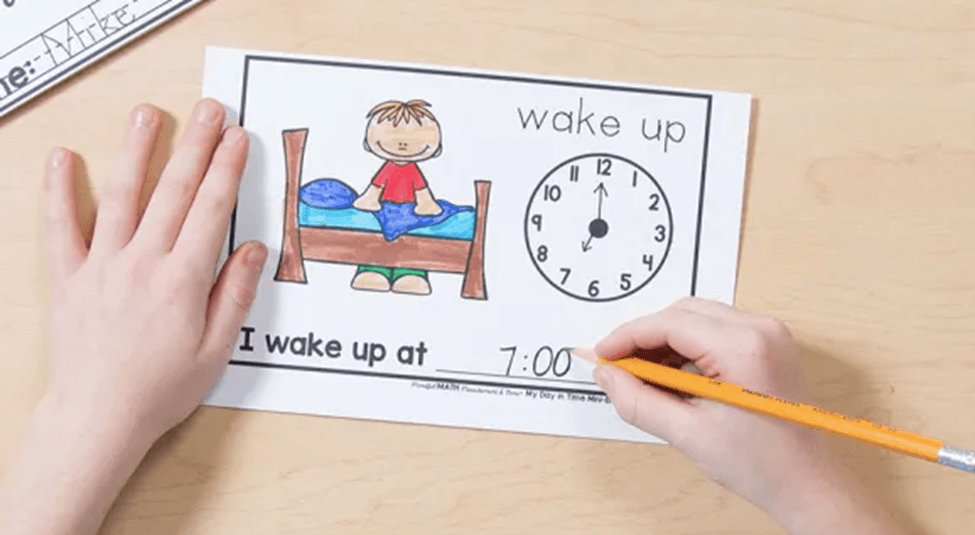


“…all students work at different speeds, therefore it is essential to group students strategically to provide needed support. During the differentiated lesson, students are grouped homogenously. Homogenous grouping allows students, with similar academic needs and readiness, to collectively complete assignments (Levine, 2012). The intent of grouping students with similar levels of readiness is to scaffold lessons that allow students to work in their zone of proximal development (ZPD) (Levine, 2012).”
Evdokia Gasparis, Touro University TESOL Candidate

 Dr. J's Education Blog