

EDPN 673 Methods and Materials for Teaching English as a Second Language
This course provides a historical overview of second language acquisition theories and teaching methods. Students learn how to apply current approaches, methods and techniques, with attention to the effective use of materials, in teaching English as a second language. Students will engage in the planning and implementation of standards-based ESL instruction which includes differentiated learning experiences geared to students’ needs. Emphasis is placed on creating culturally responsive learning environments. Includes 15 hours of field work.
Materials Critique & Redesign: Candidates will: (1) prepare a written critique description of the material or resource, analyzing its effectiveness for ELLs and (2) based on your analysis, redesign one section/activity (which could be an infographic, mindmap or anything that shows a redesign) of the original material so that it meets the need of ELLs. The materials chosen will promote culturally and linguistically responsive classrooms and instructional practices.
- Candidates will promote culturally and linguistically responsive classrooms and instructional practices
- Candidates will apply strategies to adapting grade-level, content area instruction to include culturally and linguistically different students as well as gifted and special education ELLs.
Touro University TESOL candidate Cynthia Olavarria is a Special Education Educator in an elementary school in Brooklyn, New York. “I believe in collaboration so we can make changes in the lives of our youth.”
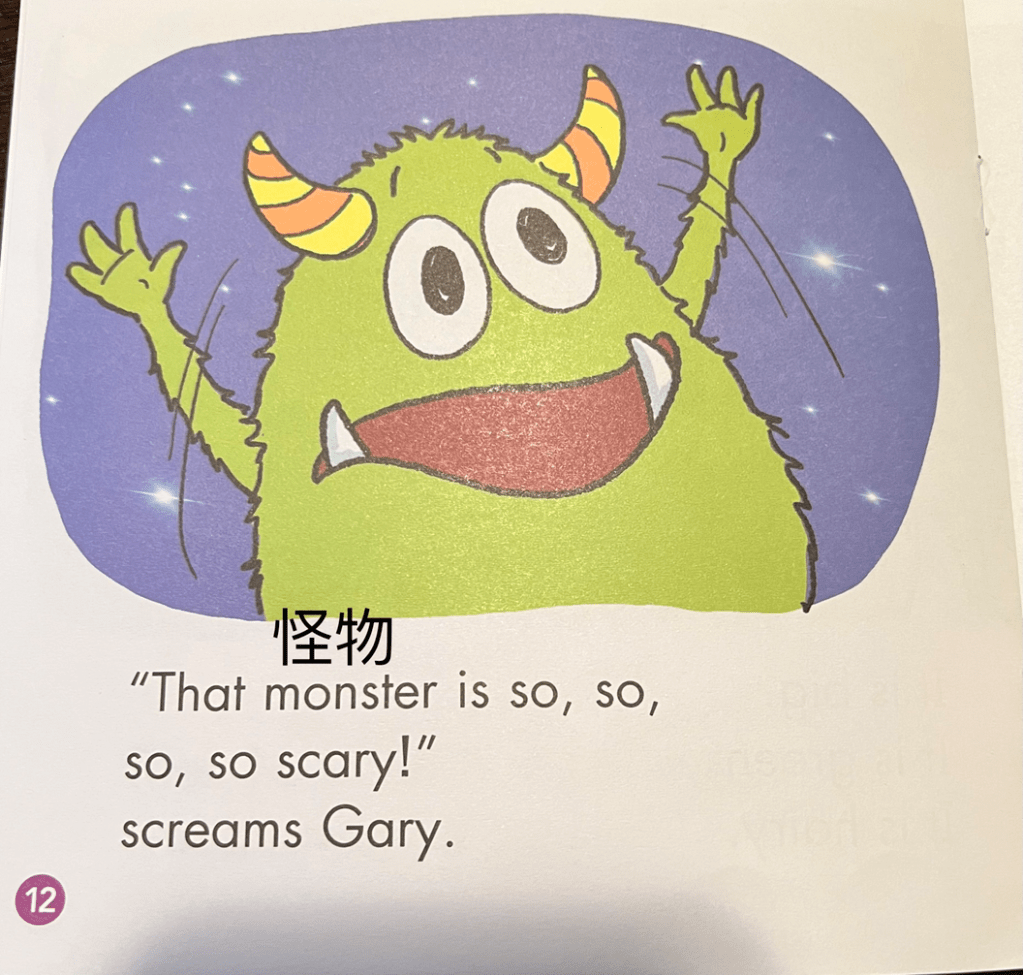
This book is a great way for kids to build on what they already know about colors and feelings while also learning something new. Looking at page 2-3 the author uses the skill of rhyming to grab the reader’s attention. “Gary is big, Gary is green. Gary is hairy. And Gary thinks EVERYTHING is scary.” (Charlesworth, Gary the Monster, 2018, pp. 3-4) This skill can be a little difficult for students to learn. Rhyming is hard for students who are not ELL’s so we know that it can be significantly challenging for students who are ELL’s.
Cynthia Olavarria, Touro University TESOL candidate

 Dr. J's Education Blog