Teaching English to Speakers of Other Languages
New York is a state that speaks many languages. We need teachers who can find the common ground.
Touro University offers TESOL & Advanced Certificates in Teaching English to Speakers of Other Languages (TESOL) Program helps NYS-certified PreK-12 teachers more effectively teach and communicate with a diverse student population.
The assignment: Text Analysis & Critique Assignment Description
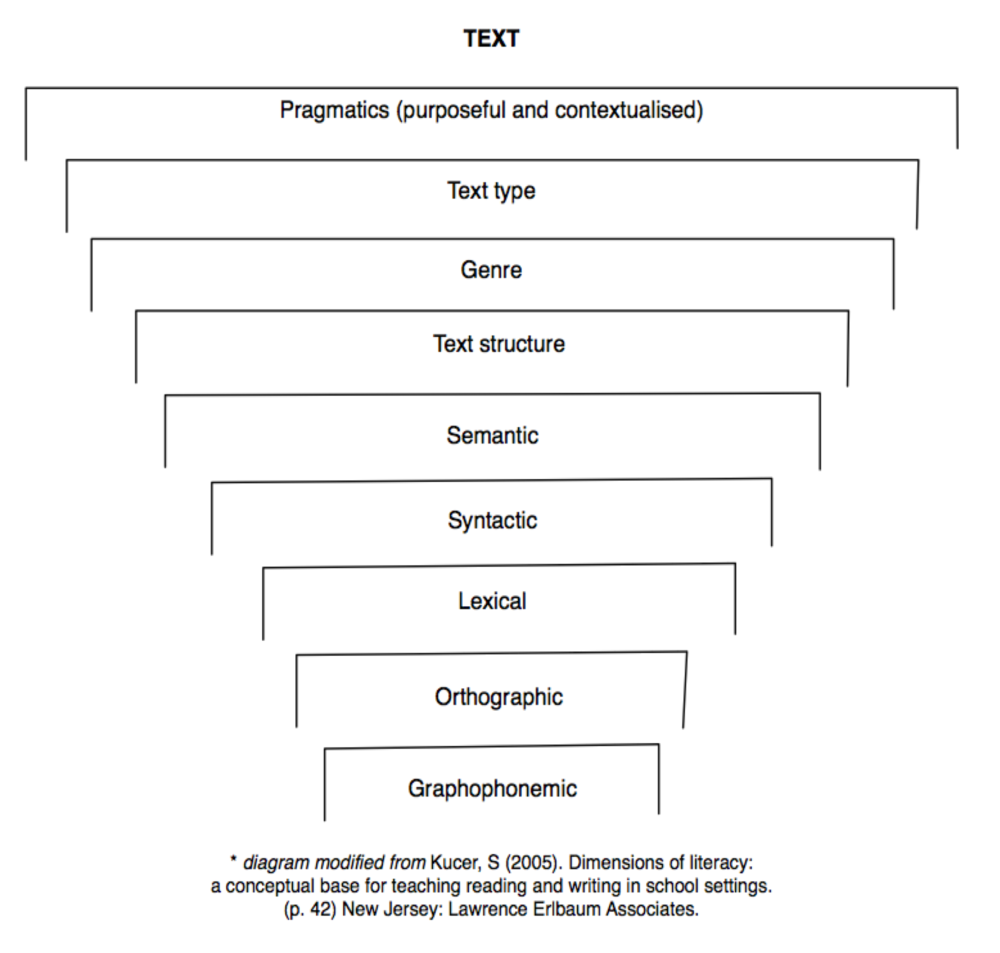
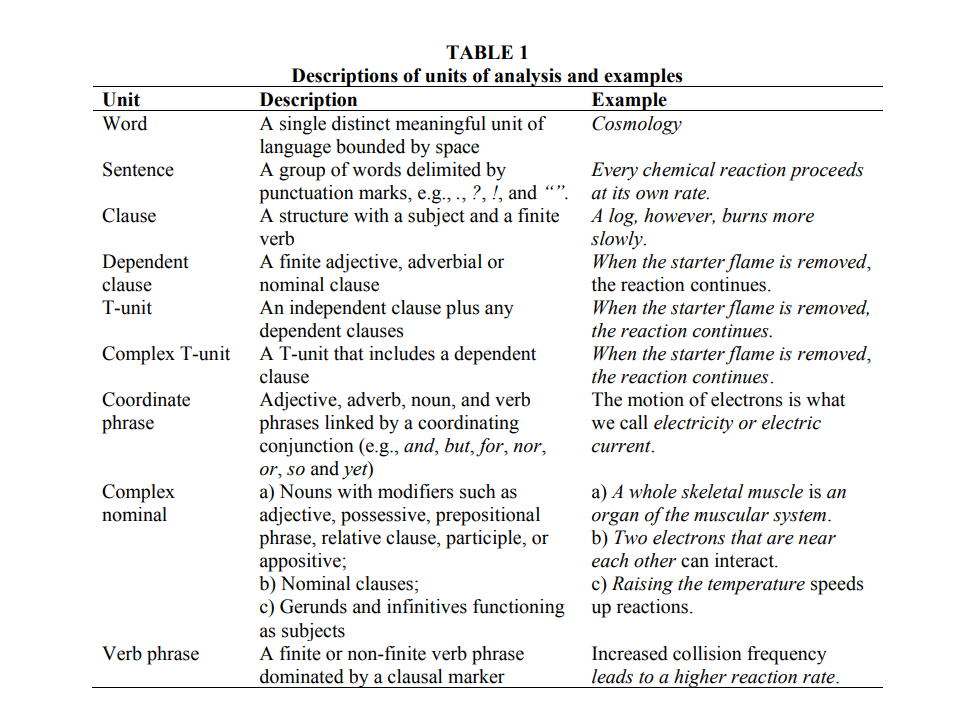
Following discussion on the cognitive and linguistic demands of the content areas, you will apply these ideas by closely analyzing a chapter, or an aspect of one content-area text currently in use or recommended by New York State/BOE. Upon analysis of underlying concepts, you will develop a thesis and purpose of your analysis. You will sequence your ideas with evidence from the text supporting important points. Your Critique will feature substantial, logical, and concrete development of ideas describing what makes that concept or section challenging for ELLs. Length: 3-4-page paper (typed, double-spaced, 12-point font) please see grading rubric.
Learning Outcomes:
- Demonstrate an understanding of various text analysis techniques in relation to educational content-area texts.
- In written form effectively articulate, evaluate and critique educational content-area texts concepts using professional TESOL language, theory and standards.
- Ask questions from the view of an ELL/ESL learner that can be meaningfully answered using content-area text analysis.
- Evaluate evidence; interpret data such as: ELL students cannot glean meaning from context when they have too many words to decipher.
- Express yourself effectively on graduate level writing
- By analyzing lexical density of the text, come to a conclusion whether the text is informative and difficult or not.
Classroom teachers need to help ELLs build background knowledge and teach unfamiliar vocabulary before presenting a new concept. Some specific challenges that ELLs face when reading new material include the following:
- Comprehending a text that contains a large number of unknown words. Students cannot glean meaning from context when they have too many words to decipher.
- Understanding text that includes a profusion of idioms, figurative language, imagery, and symbolism.
- Using homonyms and synonyms.
- Deciphering regional U.S. dialects.
- Grasping literary terms such as antagonist, protagonist, and denouement.
- Understanding the cultural background depicted in a literary piece.
- Recognizing correlations between letters and sounds. ELLs may come from a language background where the sound/symbol correspondence is very different from that of English.
- Comprehending the meaning of a text. ELLs will often memorize the rules for decoding written English and read fluently; however, they do not understand what they have read.
Touro University TESOL candidate Dayna Stechel is from Queens, NY, and is in her 3rd semester at Touro University. She attended SUNY New Paltz for her undergraduate degree in early childhood and childhood education. She is substitute teaching in the NYC public elementary schools.
Lexile Levels and ATOS Levels are used to analyze texts and books. Both of these systems, as well as others, determine the readability of a text. “ATOS is a measure of readability—in other words, a readability formula designed to guide students to appropriate-level books. ATOS takes into account the most important predictors of text complexity—average sentence length, average word length, and word difficulty level” (ATOS, 2022). When analyzing this text, Chapter 3, Models of The Earth, using the ATOS Levels, I analyzed a section discussing topographic maps.
Dayna Stechel, Touro University TESOL candidate

 Dr. J's Education Blog