Dr. Jasmin (Bey) Cowin, an Associate Professor at Touro University, received the 2024 Touro University CETL Faculty Fellowship for Excellence in Teaching and the Rockefeller Institute of Government awarded her the prestigious Richard P. Nathan Public Policy Fellowship (2024-2025). As a Fulbright Scholar and SIT Graduate, she was selected to be a U.S. Department of State English Language Specialist. Her expertise in AI in education is underscored by her role as an AI trainer and former Education Policy Fellow (EPFP™) at Columbia University's Teachers College. As a columnist for Stankevicius, she explores Nicomachean Ethics at the intersection of AI and education. She has contributed to initiatives like Computers for Schools Burundi, served as a resource specialist for Amity University in Uttar Pradesh, India, and participated in TESOL "Train the Trainer" programs in Yemen and Morocco. Her research interests include simulations and metaverse for educators-in-training, AI applications in education and language acquisition and teaching, and distributed ledger technologies, with a focus on her 'Education for 2060' theme.
In conclusion, my commitment extends beyond transactional interactions, focusing instead on utilizing my skills and privileges to make a positive, enduring impact on the world.
As a Professor for TESOL, I am immensely proud to feature outstanding student work from our MS in Teaching English to Speakers of Other Languages (TESOL) Program. New York’s linguistic diversity demands teachers who can find common ground and effectively communicate with students from different language backgrounds. Academically rigorous and practice-intensive, the 33-credit program includes 50 hours of fieldwork andsupervised student teaching experiences. Candidates that complete all coursework, fieldwork, and student teaching requirements are eligible for recommendation for ESL certification.
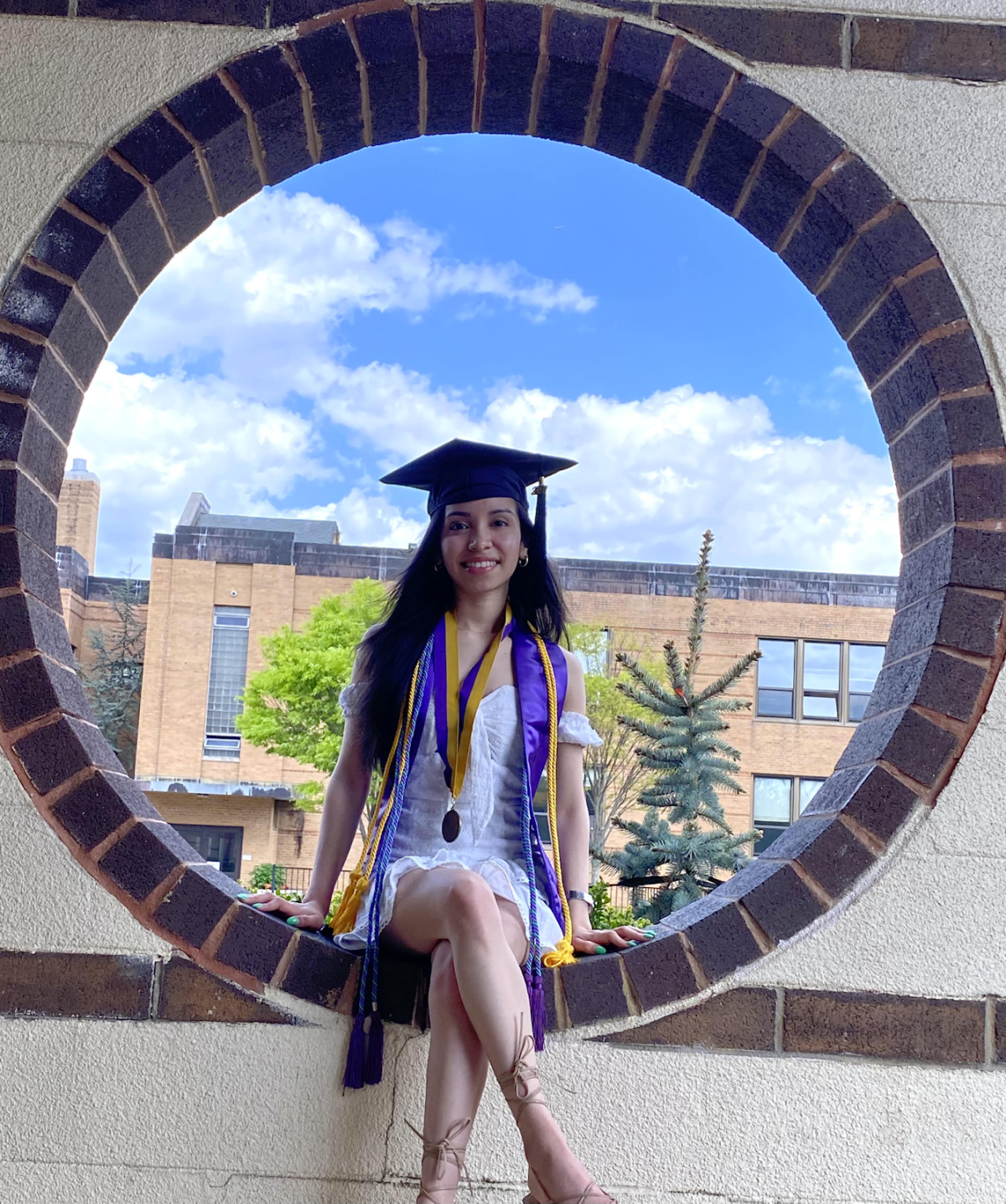
Bio Kenia Torres graduated summa cum laude from St. Joseph’s University in May 2022 with a Child Studies degree and a concentration in Speech Communication. She is currently pursuing her Bilingual Extension from Touro University. Kenia is a bilingual kindergarten teacher in the Brentwood Union Free School District in Brentwood, NY. She is certified in Birth-6th grade in general and special education. Kenia aspires to be a school leader in the future. She believes: “Our fingerprints don’t fade from the lives we touch.“-Judy Blume
My journey in Touro University has evolved my professional development and understanding of English language learners in the learning environment, to be an effective bilingual educator.
Kenia Torres, Touro University Bilingual Extension Candidate
The WIDA Can Do descriptors are an extremely useful tool to evaluate what language learners can do at various stages of language development. As a bilingual kindergarten tool, I can use the WIDA Can Do tool to supplement content instruction with activities that develop my students’ language learning at the same time. For instance, as depicted in the WIDA Can Do key, kindergarteners at the ELP Level 1, Entering, students should point to pictures described orally in context. Therefore, I can develop activities for my literacy centers that ask students to identify pictures from a story read aloud. This would be an appropriate activity for students at the Entering level according to WIDA Can Do.
Discussion Board Question: How could the WIDA Can Do descriptors help you create differentiation for the reading assessment of your ELL’s//MLs? The WIDA Can Do Descriptors can assist me in differentiating for the reading assessment of my ELLs/MLs as it gives me an accurate description of what language learners can do at their specific language level. For instance, a kindergarten student at the Entering level can point to pictures described orally in context. A kindergarten student at the Developing level can act out songs, chants, stories, and poems, with gestures as a whole group. Meanwhile as described in the WIDA Can Do key, a student at the Reaching level will be able to identify drawings or other visual displays from elaborate descriptions with details. Therefore, I can use this key to identify specific strategies and skills to assess my English language learners, dependent on their language level.
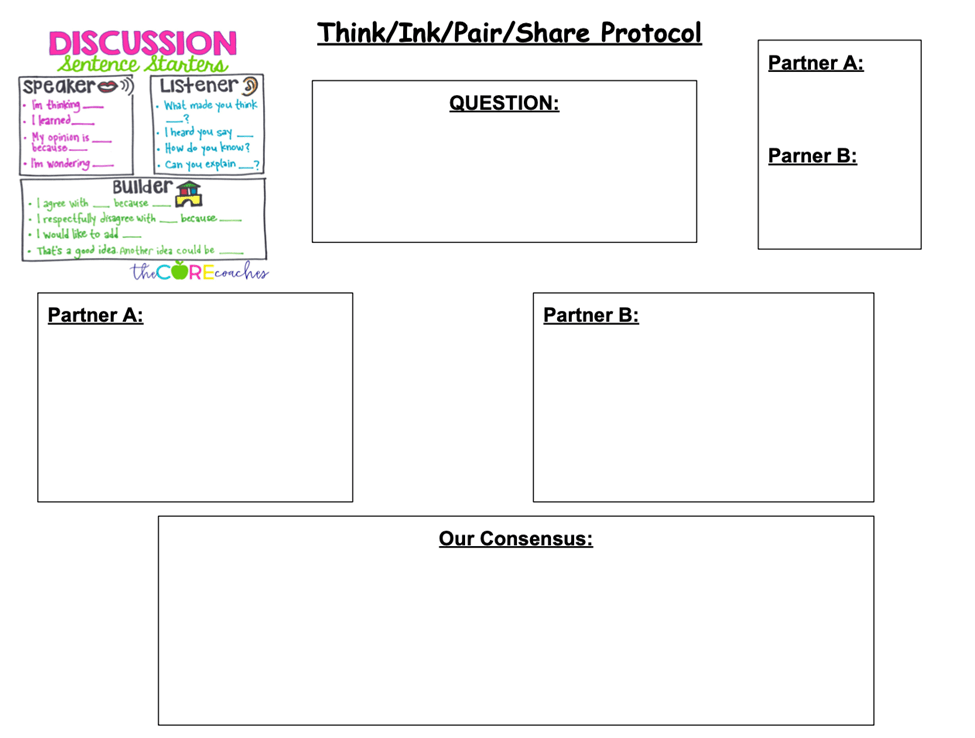
Discussion Board Question: Chapter 12: Use and upload (you can also take a photo) a graphic organizer of your choice to showcase five areas you would like to improve in your teaching of L2 reading that you have learned about in this chapter. Choose one thing at a time, and focus on improving that aspect of your teaching. Share with others what you are doing to become a better teacher of reading. Remember that it will take time to fully develop the ability to integrate improvements into your teaching. Celce-Murcia, Marianne; Brinton, Donna M.; Snow, Marguerite Ann. Teaching English as a Second or Foreign Language (p. 186). Heinle ELT. Kindle Edition
As a Professor for TESOL, I am immensely proud to feature outstanding student work from our MS in Teaching English to Speakers of Other Languages (TESOL) Program. New York’s linguistic diversity demands teachers who can find common ground and effectively communicate with students from different language backgrounds. Academically rigorous and practice-intensive, the 33-credit program includes 50 hours of fieldwork andsupervised student teaching experiences. Candidates that complete all coursework, fieldwork, and student teaching requirements are eligible for recommendation for ESL certification.
In this assignment, teachers of English Language Learners (ELL) or Multilingual Learners (ML) will explore and implement differentiated instructional activities to maximize the learning of every student in their class. Using the provided Tools for High-Quality Differentiated Instruction: An ASCD Action Tool, teachers will modify an existing content lesson plan to incorporate differentiation strategies in various aspects of instruction. The assignment requires the submission of a paper including the original and differentiated lesson plans, along with all materials, and a 2-4 minute video showcasing one specific aspect of a differentiated instructional activity. The assignment aims to facilitate professional growth and reflection on implementing differentiated instruction.
I am proud to showcase the outstanding work of Touro University TESOL candidate Samantha Howe on the Differentiated Instructional Activity Assignment in my blog. Her commitment to enhancing the learning experiences of English Language Learners and Multilingual Learners through tailored instructional strategies has been remarkable. The thoughtfulness, creativity, and dedication she demonstrated while modifying her lesson plan and crafting her reflection exemplify her potential as a future TESOL educator who prioritizes inclusivity and student-centered learning.
The TESOL program at Touro University has already provided me with valuable insights and necessary tools to better support my multilingual students.
Samantha Howe, Touro University TESOL candidate
Touro University TESOL candidate Samantha Howe is a 5th-grade teacher from Long Island. After receiving her bachelor’s degree in inclusive childhood education, she was accepted into the TESOL program at Touro University. She is passionate about providing an inclusive and equitable education for all students.
As a Professor for TESOL, I am immensely proud to feature outstanding student work from our MS in Teaching English to Speakers of Other Languages (TESOL) Program. New York’s linguistic diversity demands teachers who can find common ground and effectively communicate with students from different language backgrounds. Academically rigorous and practice-intensive, the 33-credit program includes 50 hours of fieldwork andsupervised student teaching experiences. Candidates that complete all coursework, fieldwork, and student teaching requirements are eligible for recommendation for ESL certification.
In this assignment, teachers of English Language Learners (ELL) or Multilingual Learners (ML) will explore and implement differentiated instructional activities to maximize the learning of every student in their class. Using the provided Tools for High-Quality Differentiated Instruction: An ASCD Action Tool, teachers will modify an existing content lesson plan to incorporate differentiation strategies in various aspects of instruction. The assignment requires the submission of a paper including the original and differentiated lesson plans, along with all materials, and a 2-4 minute video showcasing one specific aspect of a differentiated instructional activity. The assignment aims to facilitate professional growth and reflection on implementing differentiated instruction.
I am proud to showcase the outstanding work of Touro University TESOL candidate Natalie Spirkina on the Differentiated Instructional Activity Assignment in my blog. Her commitment to enhancing the learning experiences of English Language Learners and Multilingual Learners through tailored instructional strategies has been remarkable. The thoughtfulness, creativity, and dedication she demonstrated while modifying her lesson plan and crafting her reflection exemplify her potential as a future TESOL educator who prioritizes inclusivity and student-centered learning.
Touro University TESOL candidate Natalie Spirkina, a special education teacher for the NYC Department of Education for over 10 years, is a product of the public school system and an early-grade English Language Learner herself.
I was drawn to Touro to further my journey as an educator. I am looking forward to implementing the methods and techniques that I am learning at Touro to enrich students’ language development and overall learning in my classroom.
Natalie Spirkina, Touro University TESOL candidate
While working on the U.S. Education Department Websites, including Commonwealths and Territories, my intention was to develop a comprehensive and user-friendly infographic that serves as a one-stop resource for educators, teacher candidates, and researchers. I incorporated clickable links to every U.S. Education Department website for easy user access through clickable flags. Each state education department site features an array of educational materials, programs, state-specific data, teacher certification requirements, and different state initiatives. I hope you enjoy my infographic!
The goal of the TESOL and Bilingual Education program is to equip educators with the necessary knowledge, skills, and strategies to provide exemplary instruction and support for English language learners, multilingual learners, and bilingual students. The program strives to cultivate culturally responsive teaching practices and services, facilitate the acquisition and development of language skills, and enhance educators’ ability to cater to the diverse needs of students from linguistically and culturally diverse backgrounds. By incorporating data-driven and research-based approaches, effective pedagogical methodologies, and practical strategies, the program empowers educators to establish inclusive, stimulating, and nurturing learning environments that promote the academic achievement, emotional support, and linguistic progress of all students.
Discussion boards play a pivotal role in online learning environments, serving as dynamic platforms that foster collaborative learning and meaningful engagement among students. These virtual spaces provide a unique avenue for learners to share ideas, ask questions, and engage in thoughtful discussions beyond the limitations of traditional classrooms. “Online discussion forums are asynchronous communication tools that are widely used in Learning Management Systems. Forums enable instructors to understand and intervene in learning activities, and students have time to think and formulate answers. Individuals collaboratively build knowledge while collaborating in an asynchronous online environment. Therefore, a well-coordinated educational forum is a valuable tool to promote reflection on learning, share information and perspectives, and connect students.” (de Lima et al, 2019)
By encouraging active participation and exchange of diverse perspectives, discussion boards (DB) enhance critical thinking, problem-solving, and communication skills. DBs create a sense of community and promote inclusive learning, allowing learners from different backgrounds to connect, contribute, and learn from one another. Through the power of discussion boards, students can deepen their understanding of course content, gain insights from peers, and develop a richer and more comprehensive learning experience. By asking for references and quotes, candidates must support their writings in the area of ChatGPT.
Publishing graduate student work on a professor’s blog is immensely beneficial for graduate students. It provides them with a unique opportunity to showcase their work and findings to a wider audience, beyond the confines of their academic circle. This exposure not only helps in building their academic reputation but also enhances their visibility within their peer network and community ultimately enriching their academic journey and future career prospects.
References:
de Lima, D. P., Gerosa, M. A., Conte, T. U., & Francisco, J. (2019). What to expect, and how to improve online discussion forums: The instructors’ perspective. Journal of Internet Services and Applications, 10(1), 1-15. https://doi.org/10.1186/s13174-019-0120-0
Martyna Sobczyszyn is a dedicated and passionate Special Education Teacher in Brooklyn, New York. She is committed to empowering her students and fostering a love for learning. She writes, “Throughout my career, I had the privilege of working with students across different grade levels. I encourage my students to become critical thinkers and work with them to explore their interests. I believe that the power of education transforms lives. In my free time, I enjoy spending time with my daughter and dog. We love to travel to new places and seek authentic experiences. Traveling has created lifelong memories for us.”
My learning journey at Touro has been a wonderful experience. Through the expertise of my professors, I can embark on an academic exploration. “The more that you read, the more things you will know. The more that you learn, the more places you’ll go.” -Dr. Suess
Martyna Sobczyszyn, Touro University TESOL Candidate
While preparing for a module for one of my courses I started to research and read about Tier 2 supplemental interventions that are culturally and linguistically responsive and found Project LEE (Project ELLIPSES, Project LEE, & Project ELITE. (2020). Meeting the needs of English learners with and without disabilities: Brief 2, Evidence-based Tier 2 intervention practices for English learners showcases the PLUSS Framework to enhance existing intervention programs.
The demographic landscape of U.S. public schools shows a steady rise in the population of English Learners (ELs) since 2000, increasing from 8% to 10.3 percent, or 5.0 million students in the fall of 2020. According to NCES, in 2021–22, the number of students ages 3–21 who received special education and/or related services under the Individuals with Disabilities Education Act (IDEA) was 7.3 million, or the equivalent of 15 percent of all public school students. Among students receiving special education and/or related services, the most common category of disability was specific learning disabilities (32 percent). Given this context, the implementation of Tier 2 interventions tailored to address the specific academic challenges faced by ELs has emerged as critically important.
The PLUSS framework involves:
Preteaching critical vocabulary and priming background knowledge
Language modeling and opportunities for practice,
Using visuals and graphic organizers
Systematic and explicit instruction
Strategic use of native language and teaching for transfer.
I added one more facet as shown in my infographic
+ M – Monitor progress
Overview of Tier 2 Intervention for ELs: Typically, Tier 2 intervention is activated for students who fall within the lowest 20% based on screening assessments. These interventions are shaped by ongoing assessment outcomes to incorporate developmentally appropriate evidence-based best practices that cater specifically to the needs of linguistically diverse learners. In small group settings, interventions seamlessly integrate listening, speaking, reading, and writing skills, employing explicit and strategic instructional practices. Guided and independent practice, accompanied by corrective feedback, assumes a central role within these interventions.
Linan-Thompson and colleagues (2018) emphasize the importance of integrating culturally responsive practice (CRP) domains into all aspects of teaching to create optimal learning conditions for English learners (ELs). These four CRP domains include instructional strategies that are evidence-based and tailored to support EL learning, teaching that respects and incorporates ELs’ native language, fostering strong relationships and a supportive learning environment, and developing deep knowledge of students’ cultural, ethnic, racial, and social identities. When these practices are not integrated into instruction, ELs may struggle or disengage, showing symptoms that can be mistaken for learning disabilities, such as attention issues, poor comprehension, and low academic achievement.
Tier 2 intervention should provide equitable and evidence-based learning opportunities, including pre-teaching vocabulary, activating background knowledge, and making connections to cross-curricular topics, while also bridging the gap between the students’ cultural and linguistic backgrounds and the instructional approach. One best practice for teachers working with linguistically diverse students is using the SIOP (Sheltered Instruction Observation Protocol) model which provides a comprehensive framework that promotes equitable and effective instruction by using strategies such as pre-teaching vocabulary and activating background knowledge.
References:
Project ELLIPSES, Project LEE, & Project ELITE². (2020). Meeting the needs of English learners with and without disabilities: Brief 2, Evidence-based Tier 2 intervention practices for English learners. U.S. Office of Special Education Programs.
Linan-Thompson, S., Lara-Martinez, J. A., & Cavazos, L. O. (2018). Exploring the intersection of evidence-based practices and culturally and linguistically responsive practices. Intervention in School and Clinic, 54(1), 6–13.
Everyone Academy will organize face to face workshop series on 𝐚𝐫𝐭𝐢𝐟𝐢𝐜𝐢𝐚𝐥 𝐢𝐧𝐭𝐞𝐥𝐥𝐢𝐠𝐞𝐧𝐜𝐞 𝐚𝐧𝐝 𝐭𝐞𝐜𝐡𝐧𝐨𝐥𝐨𝐠𝐲 𝐢𝐧𝐭𝐞𝐠𝐫𝐚𝐭𝐢𝐨𝐧 for EFL/ENL educators face-to-face in Morocco.
The workshops will be conducted by Dr Jasmin Cowin who is a Fulbright Scholar; Associate Professor and TESOL/Bilingual Practicum Coordinator at Touro College, Graduate School of Education; Editorial Board member of the Journal of Systemics, Cybernetics, and Informatics for its special issue “Trans-Disciplinary Communication”. Dr. Cowin brings over twenty-five years of experience as an educator, technology specialist, and institutional leader.
Please complete the registration form if you would like to receive more information about the sessions, the objectives and the dates.
1. Empowering ENL Teachers and Learners through an Asset Based Lens
2. Empowering ENL Educators: Mastering the SIOP Model for Effective Language and Content Instruction
3. The Potential and Pitfalls of ChatGPT: Empowering ENL Educators and Learners
4. Second Language Acquisition Theories, Effective ENL Instruction, and Technology Integration
5. Leveraging ChatGPT for Enhancing English as a New Language Instruction in Morocco.
سلسلة ورشات الذكاء الإصطناعي وإدماج التكنولجيا في التعلم وتنمية المهارات اللغوية.خمسة ورشات وعروض حضورية من تنظيم إيفريون أكاديمي. الإشراف على تنشيط الورشات التفاعلية سيكون من طرف الدكتورة جاسمين والتي تتمتع بخبرة تزيد عن خمسة وعشرين عامًا كمتخصصة في التكنولوجيا
Touro University Graduate School of Education, Alan Kadish 📢 I am thrilled to announce my appointment as Associate Professor at Touro University! I am deeply honored and grateful to President Alan Kadish for this incredible opportunity. I would also like to express my heartfelt appreciation to Nelly C Lejter Morales, Dean of the Graduate School of Education and Associate Provost for Special Projects, as well as my former Chair Olga DeJesus-Diaz, and current Chair SEONGSHIN KIM, supportive colleagues Timothy Bellavia, Charity M. Dacey, PhD, Chikezie Ozuzu, Laurie Bobley and many others at the Graduate School of Education who helped me grow professionally during my last five years at GSE. Your guidance and belief in my abilities have been instrumental in this achievement. I am excited to continue to contribute to Touro University’s mission of academic excellence, fostering a dynamic learning environment, conducting meaningful research, and shaping the next generation of scholars and leaders. Thank you to everyone who has supported me on this journey, and I look forward to engaging in fruitful collaborations within the academic community.
The goal of the TESOL and Bilingual Education program is to equip educators with the necessary knowledge, skills, and strategies to provide exemplary instruction and support for English language learners, multilingual learners, and bilingual students. The program strives to cultivate culturally responsive teaching practices and services, facilitate the acquisition and development of language skills, and enhance educators’ ability to cater to the diverse needs of students from linguistically and culturally diverse backgrounds. By incorporating data-driven and research-based approaches, effective pedagogical methodologies, and practical strategies, the program empowers educators to establish inclusive, stimulating and nurturing learning environments that promote the academic achievement, emotional support and linguistic progress of all students.
Discussion boards play a pivotal role in online learning environments, serving as dynamic platforms that foster collaborative learning and meaningful engagement among students. These virtual spaces provide a unique avenue for learners to share ideas, ask questions, and engage in thoughtful discussions beyond the limitations of traditional classrooms. “Online discussion forums are asynchronous communication tools that are widely used in Learning Management Systems. Forums enable instructors to understand and intervene in learning activities, and students have time to think and formulate answers. Individuals collaboratively build knowledge while collaborating in an asynchronous online environment. Therefore, a well-coordinated educational forum is a valuable tool to promote reflection on learning, share information and perspectives, and connect students.” (de Lima et al, 2019)
By encouraging active participation and exchange of diverse perspectives, discussion boards enhance critical thinking, problem-solving, and communication skills. They create a sense of community and promote inclusive learning, allowing learners from different backgrounds to connect, contribute, and learn from one another. Through the power of discussion boards, students can deepen their understanding of course content, gain insights from peers, and develop a richer and more comprehensive learning experience. By asking for references and quotes, candidates must support their writings in the area of ChatGPT.
Publishing graduate student work on a professor’s blog is immensely beneficial for graduate students. It provides them with a unique opportunity to showcase their work and findings to a wider audience, beyond the confines of their academic circle. This exposure not only helps in building their academic reputation but also enhances their visibility within their peer network and community ultimately enriching their academic journey and future career prospects.
References:
de Lima, D. P., Gerosa, M. A., Conte, T. U., & Francisco, J. (2019). What to expect, and how to improve online discussion forums: The instructors’ perspective. Journal of Internet Services and Applications, 10(1), 1-15. https://doi.org/10.1186/s13174-019-0120-0
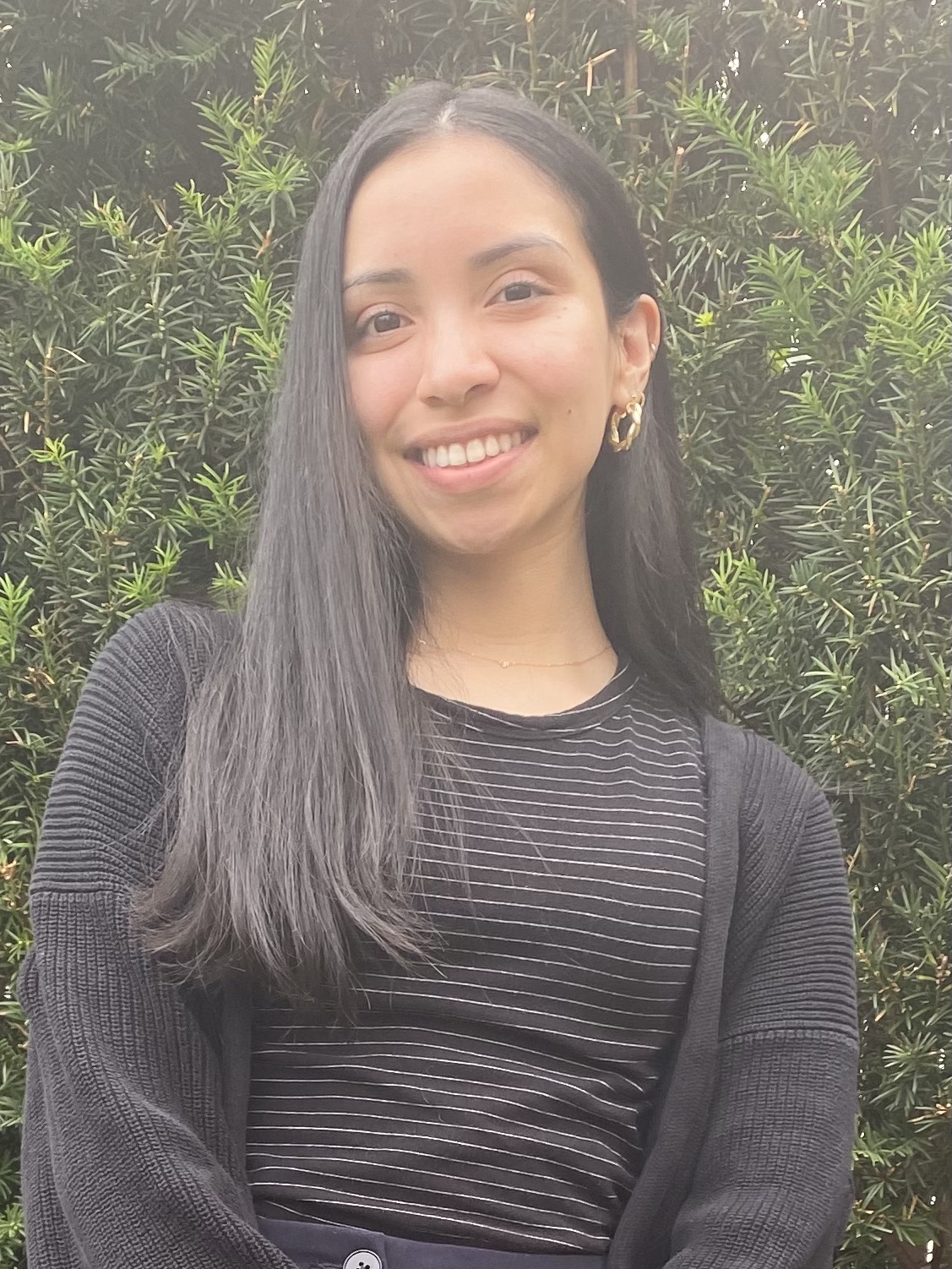
Kenia Torres graduated summa cum laude from St. Joseph’s University in May 2022 with a Child Studies degree and a concentration in Speech Communication. She is currently pursuing her Bilingual Extension from Touro University. Kenia is a bilingual kindergarten teacher in the Brentwood Union Free School District in Brentwood, NY. She is certified in Birth-6th grade in general and special education. Kenia aspires to be a school leader in the future.
How might the principles of CLT be applied or adapted to meet the challenge posed by the following context? Students seem to be shy and unaccustomed to discussing topics of a personal or social nature with one another, and the teaching approach is very teacher-centered. Celce-Murcia, Marianne; Brinton, Donna M.; Snow, Marguerite Ann. Teaching English as a Second or Foreign Language (Chapter 2). Heinle ELT. Kindle Edition.
Kenia Torres’ DB Contribution
Program Models
Blueprint for English Language Learner/ Multilingual Leaner (ELL/ MLL) Success
CR Part 154 Comprehensive ELL Education Plan (CEEP) and ENL staffing requirements
School and school leaders role in education
Ensuring that districts and school leaders are trained in meeting the needs of ELLs/MLLs in order to cultivate a school culture of high expectations.
As in previous years, all Local Educational Agencies (LEAs) are required under Part 154 of the Commissioner’s Regulations (CR Part 154), to develop a CR Part 154 Comprehensive ELL Education Plan (CEEP) to meet the educational needs of English Language Learners (ELLs) (CR Part 154-2[b]).
Instructional guidelines for educators of the program models
Requires educators to design and deliver instruction that is culturally and linguistically appropriate for all diverse learners, including those with Individualized Education Programs (IEP).
Requirements that outline specific instructional time for ELLs, are dependent upon students’ language proficiency levels.
Instruction that is grade-appropriate, and academically rigorous
This model requires school districts and schools to engage all English Language Learners/Multilingual Learners in instruction that is grade-appropriate, academically rigorous, and aligned with the New York State Prekindergarten Foundation for the Common Core and P-12 Common Core Learning Standards.
The CEEP is divided into multiple sections in which LEAs must outline how they are addressing the needs of their ELLs and describe their strategic plan for providing grade-appropriate, linguistically and academically rigorous instruction that will allow ELLs to meet the Next Generation Learning Standards.
Table by Kenia Torres, Touro University Bilingual Certification Extension Candidate
2. How might the principles of CLT be applied or adapted to meet the challenge posed by the following context? Students seem to be shy and unaccustomed to discussing topics of a personal or social nature with one another, and the teaching approach is very teacher-centered. Celce-Murcia, Marianne; Brinton, Donna M.; Snow, Marguerite Ann. Teaching English as a Second or Foreign Language (Chapter 2 Heinle ELT. Kindle Edition.
Communicative language teaching facilitates language learning by assisting learners in using language in real world circumstances that they are likely to encounter. As described by Celce-Murcia, M. (2013), CLT emphasizes language learning “for the purpose of communicating with others”. In the situation described above, the educator may develop a more CLT teaching approach by encouraging students to speak in English to the best and or most desirable extent possible. Further, the teacher may have students to develop rapport with one another by discussing their interests and or concerns with one another and working in groups. This will make them more comfortable talking to one another in a casual setting. Finally, the educator can also develop peer and teacher relationships by increasing interactions with students and asking questions that can lead to more responses from students and create an environment for more personalized discussions.








 Dr. J's Education Blog
