Cowin, J., (Touro GSE), Oberer, B., & Leon, C. (2023). A Brave New World: AI as a Nascent Regime? Journal of Systemics, Cybernetics and Informatics, 21(4), 58-66. https://doi.org/10.54808/JSCI.21.04.58
I ate civilization.
Aldous Huxley, Brave New World, 1932, p. 165
Introduction by Dr. Jasmin (Bey) Cowin
In my role as the lead author of ” A Brave New World: AI as a Nascent Regime?” I explored the parallels between Aldous Huxley’s 1932 masterpiece, “Brave New World,” and the contemporary advancements in Artificial Intelligence (AI). I found myself deeply engaged with themes of predestination, emotional regulation, and societal control forecasting a dystopian AI-driven society. By using “Brave New World” as a metaphorical frame, I emphasize the importance of critically assessing the role of AI in shaping human society while providing a structured logical argument, the Logic Model for AI Governance and Ethical Oversight (AI-GEO model) about the evolving role of AI in governance and the corresponding need for ethical oversight.
My metaphorical approach provided a compelling backdrop for many transdisciplinary discussions with Prof. Birgit Oberer and Cristo Leon on the challenges and responsibilities associated with technological advancement, emphasizing the importance of maintaining human autonomy and diversity in the face of rapid AI development. Huxley’s depiction of a future where human roles are predetermined and emotions are meticulously regulated mirrors the potential implications of AI in our era. As Huxley states, “We also predestine and condition. We decant our babies as socialized human beings, as Alphas or Epsilons, as future sewage workers or future…” (Huxley, 1932, p. 11). This notion of a controlled destiny becomes increasingly pertinent as AI algorithms begin to dictate career paths, social interactions, and even ethical decisions.
The rise of AI-driven technologies such as deep learning and predictive analytics underscores the collective authors collective concern. For example, AI algorithms in recruitment software can predetermine an individual’s career trajectory, echoing Huxley’s categorization of individuals into Alphas or Epsilons. Similarly, AI in social media algorithms shapes our perceptions and interactions, subtly conditioning our responses in ways that Huxley might have anticipated. While AI offers opportunities for advancement, it also poses risks similar to those in Huxley’s world: the erosion of individuality and the emergence of a controlled society. Our challenge is to navigate such technological progression while adhering to ethical standards that safeguard individual autonomy and societal diversity, particularly from a systems perspective. We argue that the transformative potential of AI must be balanced with a conscientious approach to ethics and governance. AI’s ability to influence human behavior and societal norms raises significant questions about the preservation of human authenticity and diversity. It is crucial to critically evaluate the impact of AI on our social ethos, logos, and pathos and to ensure that its deployment enhances, rather than diminishes, the human experience.
Facit: A Brave New World: AI as a Nascent Regime? serves as a reflection on humanity’s role in an age of automation and as a call to action for responsible AI use. It is an exploration of the balance between technological advancement and the preservation of the core values that define our humanity.
Transdisciplinary dialogues are essential in ensuring that AI serves as a tool for enriching human experiences without compromising the nuances that define our identity and autonomy.
The authors gratefully acknowledge the insightful support by the Guest Editors: Nagib CALLAOS, Jeremy HORNE and Michael SAVOIE from WMSCI/IMCIC 2023
I virtually presented on November 6th, 2023 for the Everyone Academy in Guelmin, Morocco about using Artificial Intelligence (AI) to create personalized prompts for EFL teachers working with students at different levels. My presentation focused on how AI can be used to improve language teaching and create individualized prompts for specific topics, units of study, and students’ needs and backgrounds. I discussed the theories that support using AI in language classrooms and showed how prompts can be customized for learning goals and cultures. I showed examples of how AI-created prompts can help teachers to work more effectively. The goal was to introduce EFL teachers to AI and how it can help them tailor their teaching.
Cowin, J. (2023, November 6). Targeted prompts for EFL teachers using AI [Virtual presentation]. Everyone Academy, Guelmin, Morocco.
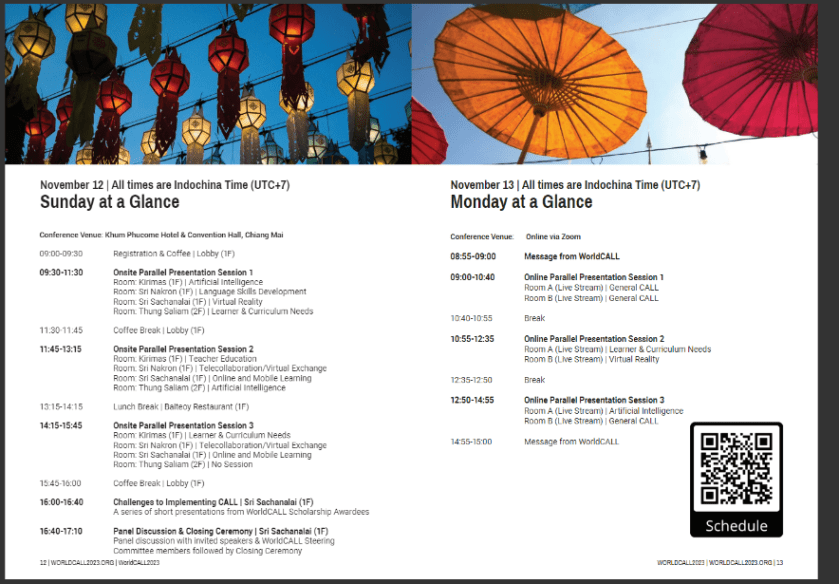
I look forward to being a session chair and presenter on the topic of Empowering Educators for the 21st Century: Discovering the Potential of Immersive Technologies and AI for Simulation Training at the WorldCALL2023 conference, A CALL in Critical Times November 09-13, 2023 | Held in Chiang Mai, Thailand (and online) Welcome to The 6th WorldCALL Conference (WorldCALL2023), held in partnership with The International Academic Forum (IAFOR), and in association with the Computer Assisted Language Instruction Consortium (CALICO), Confédération Européenne des Centres de Langues de l’Enseignement Supérieur (CercleS), the European Association for Computer-Assisted Language Learning (EUROCALL), the International Association for Language Learning Technology (IALLT), the Korea Association of Multimedia-Assisted Language Learning (KAMALL), and the Japan Association for Language Education and Technology (JLET).
WorldCALL is the worldwide professional association for teachers and educators interested in Computer Assisted Language Learning (CALL). WorldCALL aims to enhance computer-assisted language teaching and learning in the global community by bringing together educators from around the world. As an international association, WorldCALL provides a worldwide platform for the promulgation of innovative research, development and practice in education and training; enhances the opportunities for knowledge and skills transfer to nations currently underserved in the area of CALL; and serves as a forum for exchanging information and forging professional relationships among educators, researchers and industry leaders from around the world. WorldCALL has held an international conference every five years since its first conference in Australia in 1998. Since then, conferences have been held in Canada in 2003, Japan in 2008, Scotland in 2013, and Chile in 2018.We look forward to seeing you in Chiang Mai, Thailand and online!
Professor Ana Gimeno Chair, of the WorldCALL 2023 Conference Steering Committee
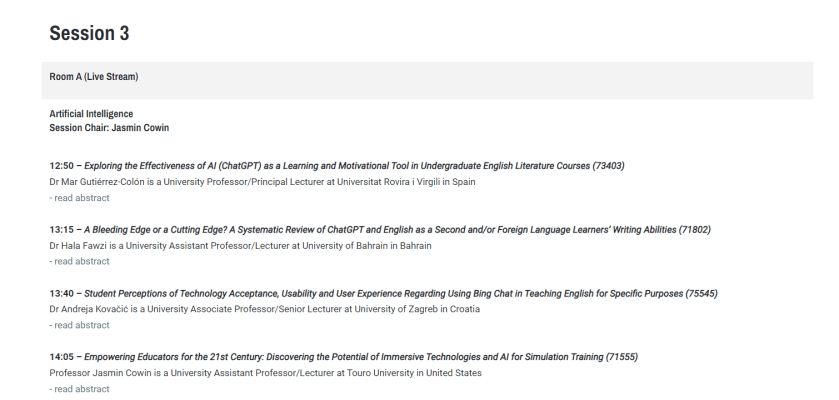
Monday, 13 November 2023 14:05 Session: Session 3 Room: Room A (Live Stream) Presentation Type: Live-Stream Presentation
The integration of Artificial Intelligence (AI) and intelligent systems into teacher education programs has become an area of increasing interest in recent years. In light of the rapid growth of online degrees, alternative pathways to support teacher candidates in completing required practicum and fieldwork hours have become increasingly critical. This presentation explores the potential benefits of using immersive simulation training to meet the need of diverse teacher education programs and their aspiring teacher candidates.
Immersive simulations offer teacher candidates personalized clinical experiences tailored to their content specialization to develop and refine their teaching skills via customized simulation scenarios. Teaching simulations provide a safe and controlled environment in which teacher candidates can apply and reflect on content delivery, professional skills, pedagogical knowledge, and unique student challenges. By integrating AI and intelligent systems into simulations, teacher candidates can receive targeted feedback and coaching, accelerating their professional growth and development.
This proposal compares and contrasts two distinct immersive ecosystems, Mursion and simSchool, each providing either a unique AI-driven or a mixed-reality simulation experience. Both platforms offer a range of tools and resources for designing and delivering simulations that mimic real-world classroom scenarios. These simulations allow teacher candidates to practice and refine their teaching strategies and techniques, such as questioning techniques, classroom management, and student engagement.
In addition, the use of simulation platforms holds the potential to improve institutional administrative functions, elevate departmental strategic planning, foster targeted accreditation development, and integrate curricular and syllabi planning through data aggregation leading to data-informed decision-making. Simulation platforms collect and analyze data on teacher candidates’ performance, providing valuable insights into teacher candidates’ knowledge of students and student learning, knowledge of content and instructional planning, instructional practice, learning environments, possible bias’, and the use of assessment measuring student learning.
To demonstrate the potential of immersive simulations this presentation includes a “live” field trip into a teacher training simulation. This interactive experience will provide participants with an opportunity to observe and engage in a simulation that replicates a real-world classroom scenario, highlighting the benefits and potential of an immersive simulation for teacher education.
Abstract Summary This proposal explores the integration of AI and intelligent systems into teacher education programs, specifically through the use of immersive simulation training. Immersive simulations offer teacher candidates personalized clinical experiences tailored to their content specialization to develop and refine their teaching skills through customized simulation scenarios. Through these immersive simulations, teacher candidates can apply and reflect on teaching methods, professional skills, and pedagogical knowledge in a safe and controlled environment. This presentation compares and contrasts two distinct immersive ecosystems, Mursion and simSchool, which provide unique AI-driven and mixed-reality simulation experiences. In addition, the use of simulation platforms has the potential to improve institutional administrative functions, strategic planning, supporting accreditation pathways, and program planning through data aggregation and informed decision-making. The presentation will include a “live” field trip into a teacher training simulation.
Authors: Jasmin Cowin, Touro University, United States
About the Presenter(s) Professor Jasmin Cowin is a University Associate Professor/Lecturer at Touro University in the United States
The 23rd interdisciplinary conference of the EUCO research network will take place in Lucerne in 2023 from October 29-21. The theme this year is “Next Generation Communication: Communication in a Changing World.” The symposium aims to bring together researchers and practitioners from different disciplines and foster a lively exchange of ideas.
I am delighted to share our collective paper abstract which grew through transdisciplinary communication with my colleagues:
The (Algorithmic) Cage *Jasmin COWIN[1] Department of TESOL/Bilingual Education, Graduate School of Education, Touro University, NY, 10036, U.S.A. Cristo LEON[2] Office of Research & Development, NJIT, Newark, NJ, 07102-1982, U.S.A. Birgit OBERER[3] ETCOP Institute for Interdisciplinary Research, Klagenfurt, Austria
Abstract:
This paper and presentation explore the dual role of algorithmic technologies in shaping digital communication, acting both as catalysts and barriers. We critically analyze the AI revolution’s socio-economic consequences, grounded in Yuval Noah Harari’s discourse on the emergence of a potentially ‘useless’ class and reflecting upon the predictions of Ray Kurzweil regarding human augmentation. Our investigation pivots around the pivotal questions of job displacement and the evolving definition of meaningful employment in a landscape progressively dominated by automation. The paper debates the nuanced relationship between human cognition and digital technology, juxtaposing the theories of embodied cognition and digitization. Special attention is paid to the implications of language digitization, exploring ramifications such as diminished linguistic diversity, the homogenization of expression, and the perpetuation of dominant languages. We also confront issues emanating from the digital divide and raise pressing concerns about privacy and security in an increasingly digitized society. The paper concludes by highlighting the necessity for interdisciplinary collaboration to navigate the complexities and challenges arising within digital communication spheres.
Dystopian Visions – Figure 1: Amazon patent number 20150066283 A1
The interdependent relationships between Complexity, Informatics and Cybernetics are continuously expanding and generating theoretical and technological synergies. Both Complexity Science and Cybernetics share similar concepts and theories. Informatics and Cybernetics are increasingly interconnected through computing, communications and control technologies, and some authors perceive them as essentially the same with different emphasis, orientation or names. The field of Complexity Science and Informatics mutually support each other in both theory and practice.
IMCIC 2023 is an international forum aimed at bringing together scientists, engineers, researchers, consultants, theoreticians and practitioners in the fields of Complexity, Informatics and Cybernetics. The IMCIC 2023 Organizing Committee considers hihg-impact research articles from different disciplines, as well as multi-, inter- and trans-disciplinary research, studies, reflections, programs and projects.
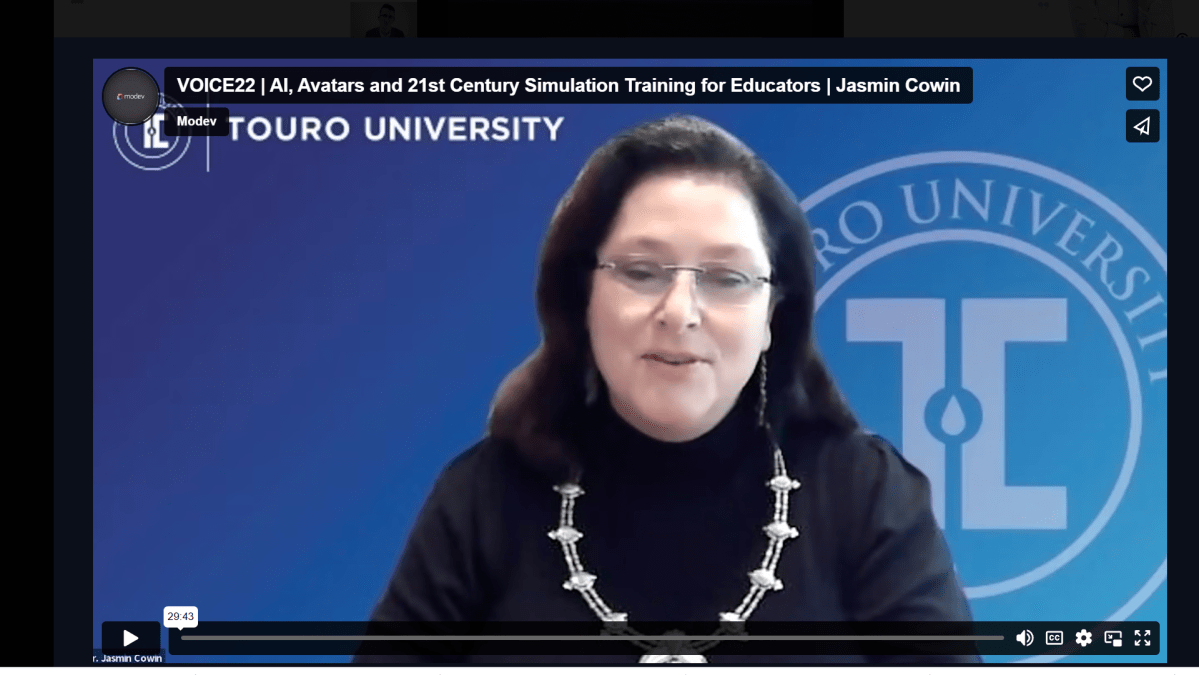
Session recordings are now available to watch On Demand. Keynotes, interviews and panel discussions from top brands explore real world examples of those successfully integrating conversational AI and automation to drive innovation throughout their organizations. Catch any sessions you may have missed or watch your favorites again! You can register here to get access to VOICE22 and my presentation recording from Agora World:
Dr. Jasmin (Bey) Cowin – AI, Avatars and 21st Century Simulation Training for Educators
AI and intelligent systems are positioned to become change agents in education through ushering in profound changes in institutional administrative functions, systemic strategic planning, and program planning. Post-pandemic, the explosive growth of fully-accredited online degrees has also reached teacher education programs. However, any online program in teacher education needs alternative pathways to support teacher candidates who are required to complete practicum and fieldwork hours.
This lightning talk focuses on reviewing, contrasting, and framing two distinct immersive ecosystems. Mursion and simSchool. While both platforms offer immersive experiences simSchool is AI-driven while Mursion employs mixed reality simulations. Both provide preservice teachers a platform to practice and rehearse the art and skill of teaching within a controlled simulation setting using avatars. Insights on evidence-based practices by teacher candidates are generated through data from both AI and candidates’ in-world experiences. Such data aggregation offers institutions informed decision-making through a systematic review using technology to improve teacher education programs.

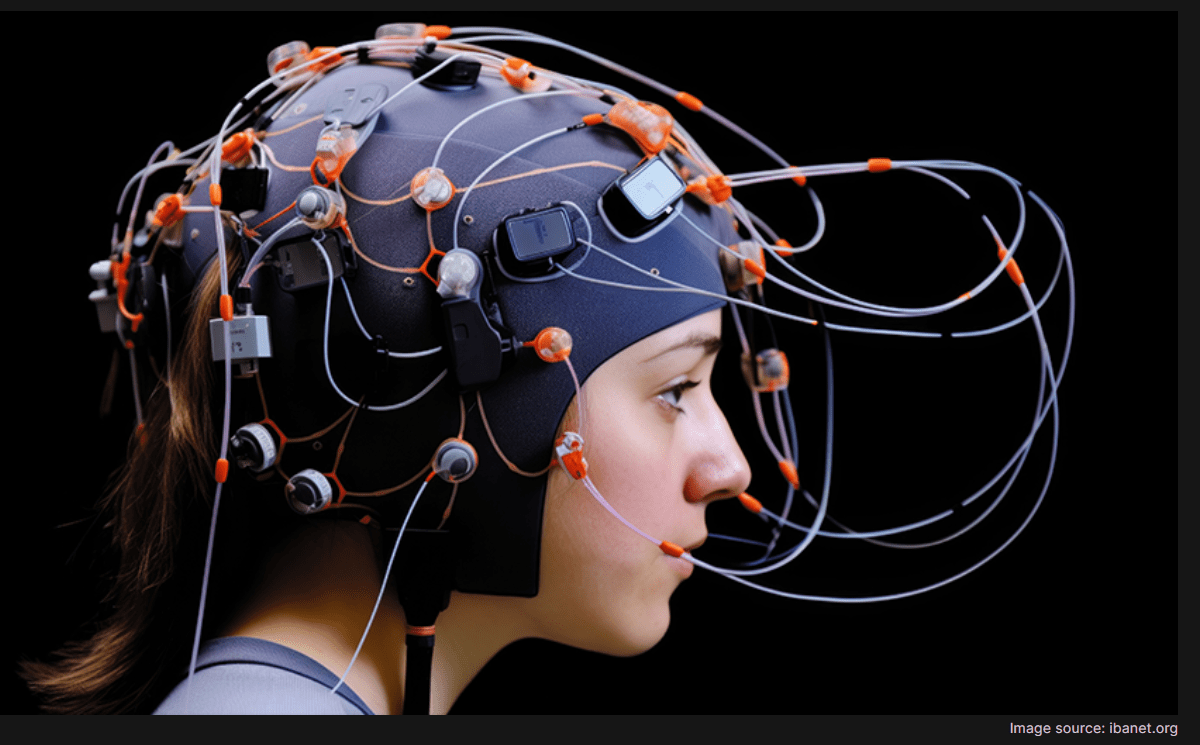


![Dr. Cowin presented on “Targeted prompts for EFL teachers using AI,” [Virtual presentation] for Everyone Academy, Guelmin, Morocco.](https://drcowinj-locationindependentteach.com/wp-content/uploads/2023/11/image.png?w=1200)




 Dr. J's Education Blog