Accepted Conference Proposal: Simulation-Based Learning Environments for the Twenty-seventh International Conference on Learning July 13 – 15, 2020. A virtual poster presentation with a focus on epistic game theory.
A virtual poster presentation with a focus on epistic game theory
letter_of_invitation_jasmin-cowin
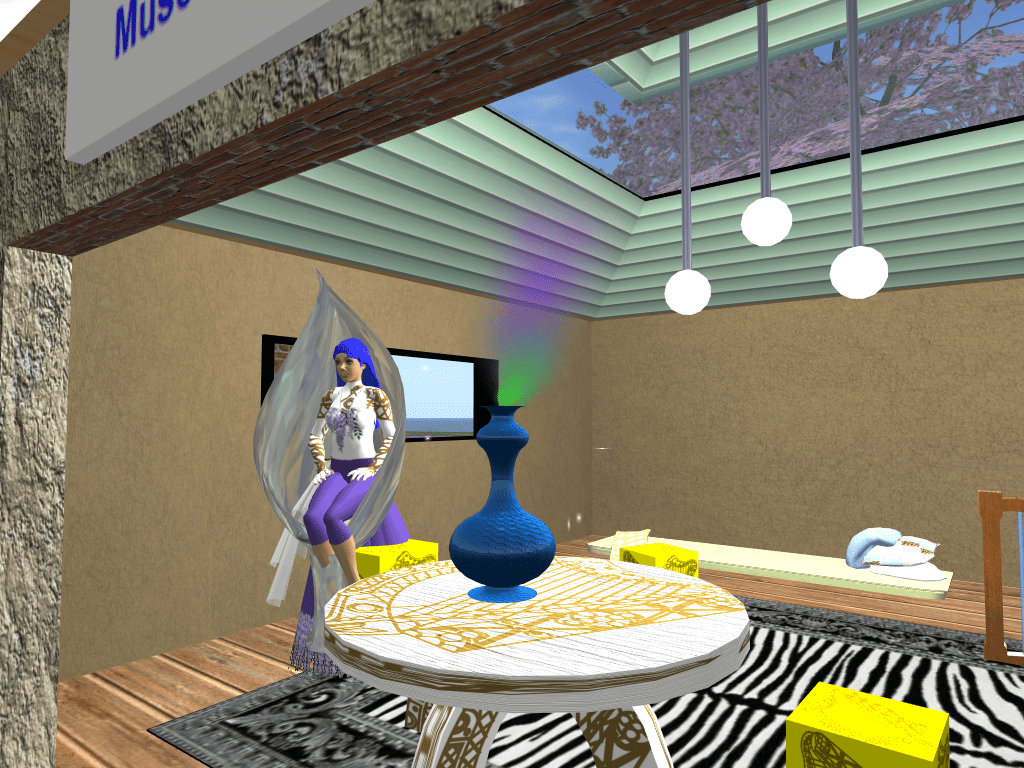
Online, web-based virtual classroom environments, populated with student avatars, use simulation-based learning to increase teacher candidates’ understanding of the educational needs of diverse learners. The student avatars in simulations are controlled by artificial emotional intelligence software. As intensive web applications, these environments can provide a safe, risk-free virtual space to explore a range of teaching strategies, while offering immediate feedback as a training tool for teacher candidates during interrupted practicum experiences, fully online pedagogy courses and virtual fieldwork experiences.
Keywords: Simulation-Based Learning, Virtual Reality, Artificial Intelligence, Epistic Game Theory, Virtual Teacher Practicum
For whom: Twenty-Seventh International Conference on Learning July 13 – 15, 2020 Universitat de València – Facultat de Magisteri, Av. dels Tarongers, 4, València, Spain

Author: drcowinj
Dr. Jasmin (Bey) Cowin, an Associate Professor at Touro University, received the 2024 Touro University CETL Faculty Fellowship for Excellence in Teaching and the Rockefeller Institute of Government awarded her the prestigious Richard P. Nathan Public Policy Fellowship (2024-2025). As a Fulbright Scholar and SIT Graduate, she was selected to be a U.S. Department of State English Language Specialist. Her expertise in AI in education is underscored by her role as an AI trainer and former Education Policy Fellow (EPFP™) at Columbia University's Teachers College. As a columnist for Stankevicius, she explores Nicomachean Ethics at the intersection of AI and education. She has contributed to initiatives like Computers for Schools Burundi, served as a resource specialist for Amity University in Uttar Pradesh, India, and participated in TESOL "Train the Trainer" programs in Yemen and Morocco. Her research interests include simulations and metaverse for educators-in-training, AI applications in education and language acquisition and teaching, and distributed ledger technologies, with a focus on her 'Education for 2060' theme.
In conclusion, my commitment extends beyond transactional interactions, focusing instead on utilizing my skills and privileges to make a positive, enduring impact on the world.
View all posts by drcowinj

 Dr. J's Education Blog