

EDDN 637 Second Language Learners and the Content Areas: Students will become acquainted with and practice effective approaches, methods, and strategies for teaching and evaluating English language learners in the content areas (ELA, social studies, math and science). Throughout the course, students will explore the impact of culture and language on classroom learning. Special challenges in teaching and assessment in each content area will also be discussed. Includes 15 hours of field work.
Context and Overview: Teacher candidates are required to design a sheltered instruction lesson following the Sheltered Instruction Observation Protocol (SIOP) Model is a research-based and validated instructional model that has proven effective in addressing the academic needs of English learners throughout the United States. Candidates need to explain how and why they’ve decided on the specific lesson content and language needs to be addressed. Activities should focus on assessing student needs before, during and upon lesson completion to enhance future instructional planning.
Touro University TESOL Candidate Kelly Broshear: “I am a student at Touro College as a member of the TESOL masters program. I received my undergraduate degree at Salve Regina University in Newport RI in 2019 with a major in early childhood education. At Salve Regina University, I found a passion for working with ENL students. My current career is a kindergarten teacher for the NYC DOE in District 27 with the hope to eventually assume a role as an ESL specialist.”
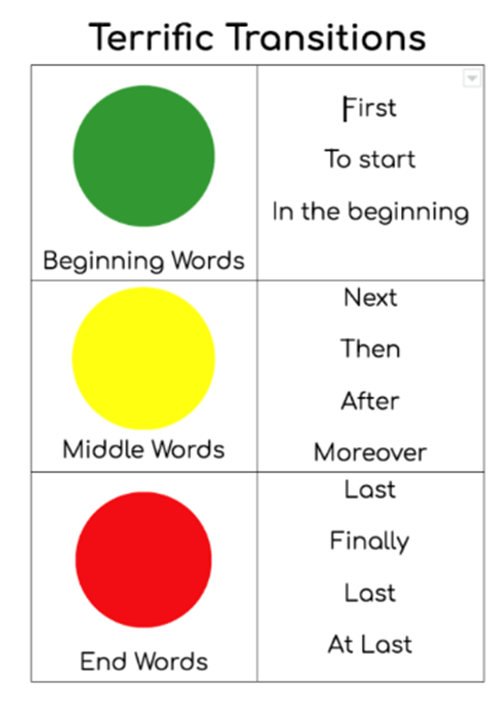
This is the second time I written a SIOP lesson, however, this was the first time I have used this specific SIOP template. One thing I find to be difficult when writing a SIOP lesson plan is determining where every aspect of a lesson plan belongs. I found myself feeling that I was repeating myself often throughout the lesson plan. This is a lesson that I have taught with my students prior to making this lesson, but I had never written out a formal plan to go along with it until now. With that being said, it was interesting to try and reflect upon how I had taught the lesson compared to this plan I wrote now because I realized how many things that I should have done in the lesson when I taught it. When I taught this lesson, I had not considered specific ways to make content more comprehensible, I just taught it because it was part of the curriculum. Now that I have taken this course, I have learned invaluable methods to help make the content comprehensible for all students, but even more-so for my ELL students.
Kelly Broshear, Touro University TESOL Candidate

 Dr. J's Education Blog