
Touro University TESOL Department’s Curriculum Development and Classroom Management in the Technology Era philsophy:
Education for 2060 will require TESOL educators who can design and create meaningful artifacts using technology, not simply describe or evaluate its use. In my view, the central shift is from consumption to production: educators must be able to develop digital materials, curate multimodal resources, and construct learning environments that actively engage multilingual learners. This emphasis on creation reflects a broader redefinition of teaching as a design-oriented practice grounded in both pedagogy and technological fluency.
Within this framework, the intersection of curriculum development, classroom management, and digital innovation reshapes how learning experiences are constructed for English language learners (ELLs). Technology supports varied ways of learning, fosters critical thinking, and increases efficiency in task completion. It also provides teachers with opportunities to design instructional materials, adapt content for diverse learners, and facilitate more responsive forms of classroom interaction.
As the field of TESOL continues to evolve, it is no longer sufficient for teacher candidates to be aware of digital tools or to discuss their potential. They need to demonstrate the ability to create instructional artifacts that connect with students, expand access to content, and enhance teaching quality. In this sense, technology becomes a medium for design. It enables the development of interactive materials, multiple forms of representation, communication with diverse stakeholders, and platforms for inquiry. This assignment, therefore, positions candidates as creators, asking them to design artifacts that respond to the linguistic, academic, and sociocultural needs of ELLs and their families.
The assignment moves beyond surface-level familiarity by requiring candidates to evaluate how their chosen tools support TESOL instructional strategies such as scaffolding, differentiation, and multimodal learning. Teachers must determine how the artifacts they create align with specific pedagogical goals, which requires deliberate integration rather than simple adoption. Technology can extend instructional strategies by supporting interaction and collaboration while also generating data that informs teaching decisions.
By asking candidates to design, justify, and reflect on their artifacts in relation to curriculum standards, community engagement, and instructional effectiveness, the assignment develops the kind of professional reasoning needed for work with linguistically diverse populations. In my view, this focus on creation is essential for preparing educators for education for 2060. Future classrooms will require teachers who can build, adapt, and critically evaluate digital learning environments, not merely participate in them. This assignment, therefore, represents a step toward my topic “Education for 2060,” by positioning TESOL educators as intentional designers of technology-mediated learning.
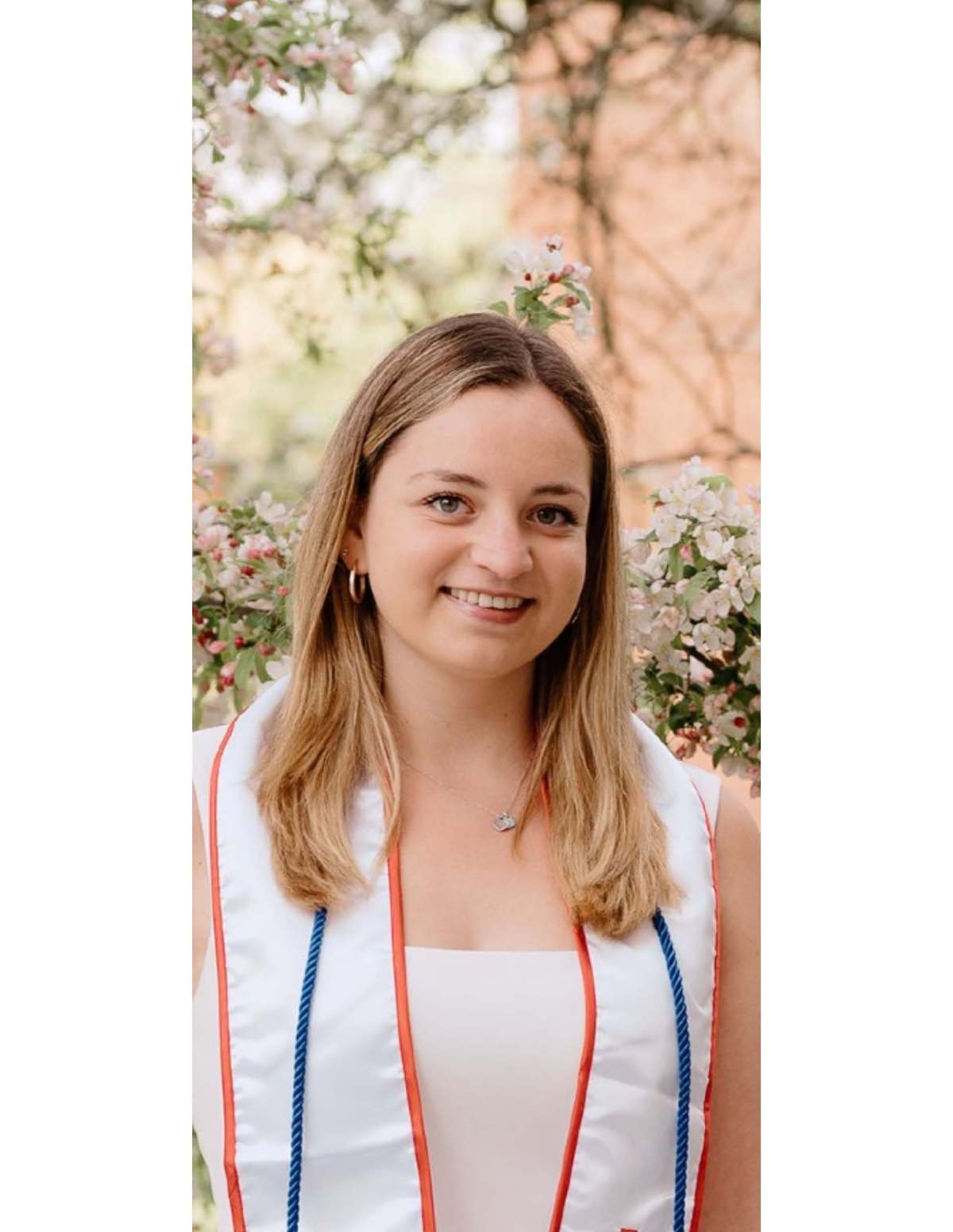
Rachel Melamed is a high school teacher in Brooklyn working with multilingual learners. She received her bachelor’s degree from SUNY Cortland and is currently pursuing her TESOL master’s degree at Touro University, where she focuses on helping students understand content while building their academic language. She aims to create a classroom where students feel confident participating and supported in their learning.
The TESOL program at Touro University has changed the way I plan for my students, making me more intentional about breaking down content and providing support to improve language and comprehension.
Rachel Melamed, Touro University TESOL Candidate
Link:


 Dr. J's Education Blog