As an Associate Professor for the Touro University TESOL/BLE Department, I am immensely proud to feature outstanding student work from our MS in Teaching English to Speakers of Other Languages (TESOL) Program. New York’s linguistic diversity demands teachers who can find common ground and effectively communicate with students from different language backgrounds. Academically rigorous and practice-intensive, the 33-credit program leads candidates who complete all coursework, and fieldwork to recommendation for ESL certification.
Touro University has made it possible for me to be a full-time educator while also pursuing my master’s degree. The professors in the Touro GSE have been accommodating, knowledgeable, and incredibly helpful in my teaching journey, and I look forward to continuing my master’s degree.
Understand the significance of content, process, and product differentiation. Modify an existing content lesson plan YOU delivered to ELL/ML students: Integrate proactive adjustments based on student readiness, interest, and learning profiles.
Discuss anonymized student products as tangible evidence of differentiation in assessment. These products should align with differentiation principles, taking into account students’ readiness, interests, and learning profiles.
Align the assignment with the provided assessment criteria and integrate concepts and practices from “Classroom Practices for Multilingual Learners and English Language Learners” and “The Next Generation English Language Arts Learning Standards”
I was struck with the authentic reflection of Baily Konen:
“After teaching this lesson and differentiating it for my ELL/ML students, I’ve realized that some of my practices that I have used in the past may not have been appropriate for my English Language learners. It is important for educators to understand that their ELL/ML students can all learn in different ways, and that often it’s not that the student does not understand, but rather that they were never put in a position to succeed from the beginning of the lesson. It is not fair to expect a student that is a fluent English speaker and a student that is an emergent English Language learner to be able to complete the same academic tasks during a lesson.”
Bio: Bailey Konen is a graduate student at Touro University and a teacher in a Long Island school district. He completed his undergraduate degree at the State University of New York at Geneseo with a Bachelor of Science in Childhood/Early Childhood Education. B has always had a passion for working with children and is constantly trying to learn more about how he can help all of his students succeed.
As an Associate Professor for the Touro University TESOL/BLE Department, I am immensely proud to feature outstanding student work from our MS in Teaching English to Speakers of Other Languages (TESOL) Program. New York’s linguistic diversity demands teachers who can find common ground and effectively communicate with students from different language backgrounds. Academically rigorous and practice-intensive, the 33-credit program leads candidates who complete all coursework, and fieldwork to recommendation for ESL certification.
Rebecca Jarvis is a Preschool Special Education Teacher on Long Island. She holds a Bachelor’s Degree in Early Childhood Education and Speech Communication from St. Joseph’s College on Long Island. She is enrolled to receive a Master’s Degree in TESOL at Touro University.
Throughout my entire career and studies, I have had a passion for working with all students and making a truly positive impact on their education with the help of my professors at Touro University. They have helped guide me and teach me how to create lessons to ensure all my students’ needs are being met academically.
Recently, the U.S. Department of State announced the selection of Prof. Dr. Jasmin Cowin of Touro University for an English Language Specialist project focusing on Assessment and Artificial Intelligence in Russia. Dr. Cowin is part of a select group, as her project is one of approximately 240 that the English Language Specialist Program supports each year. Prof. Cowin will serve as an English Language Specialist as plenary speaker and deliver a workshop for university professors and graduate students in Russia as part of a regional conference dedicated to linguistics, language teaching, and assessment.
In this interview we ask Dr. Jasmin Cowan about her experience and her thinking when it comes to various aspects of overcoming obstacles and achieving success.
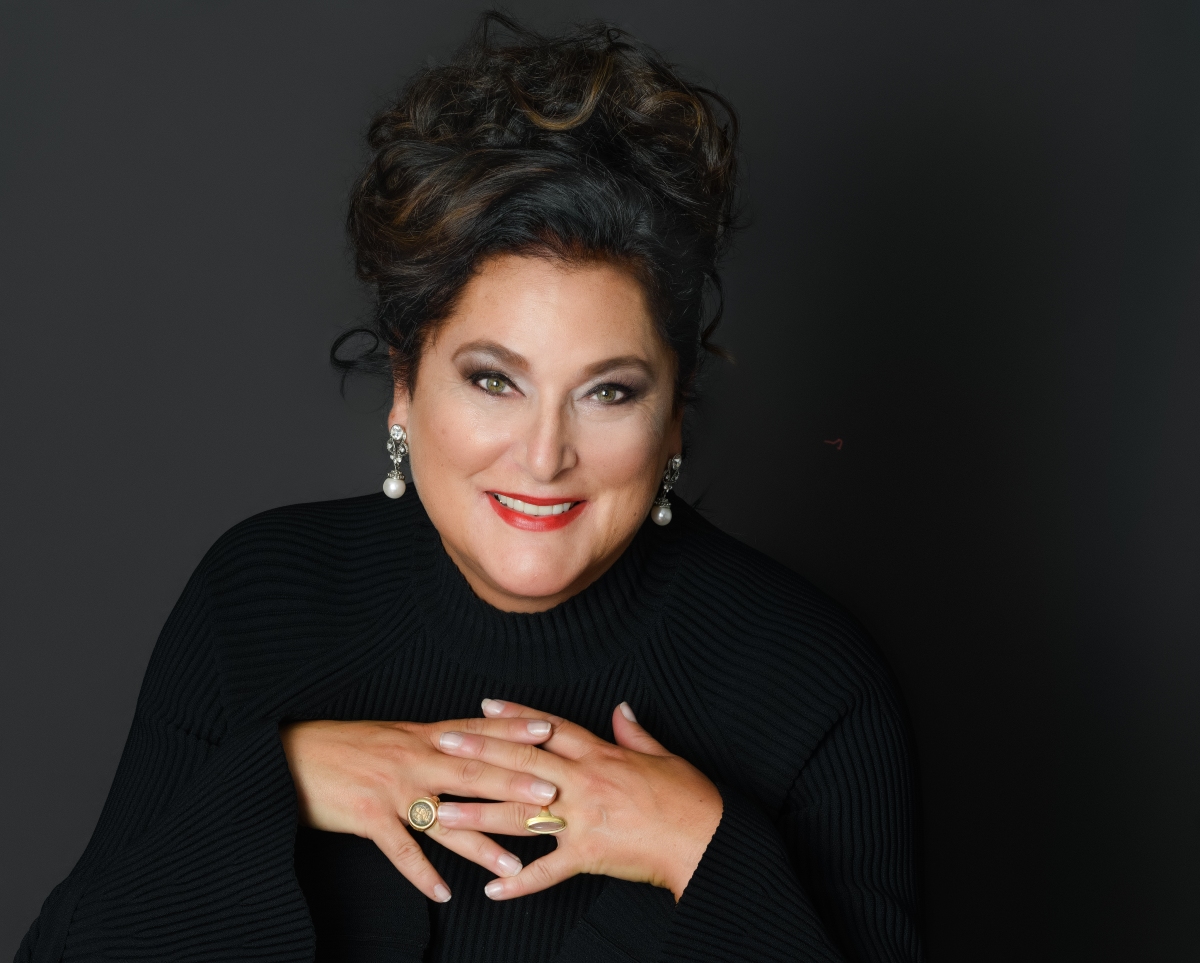
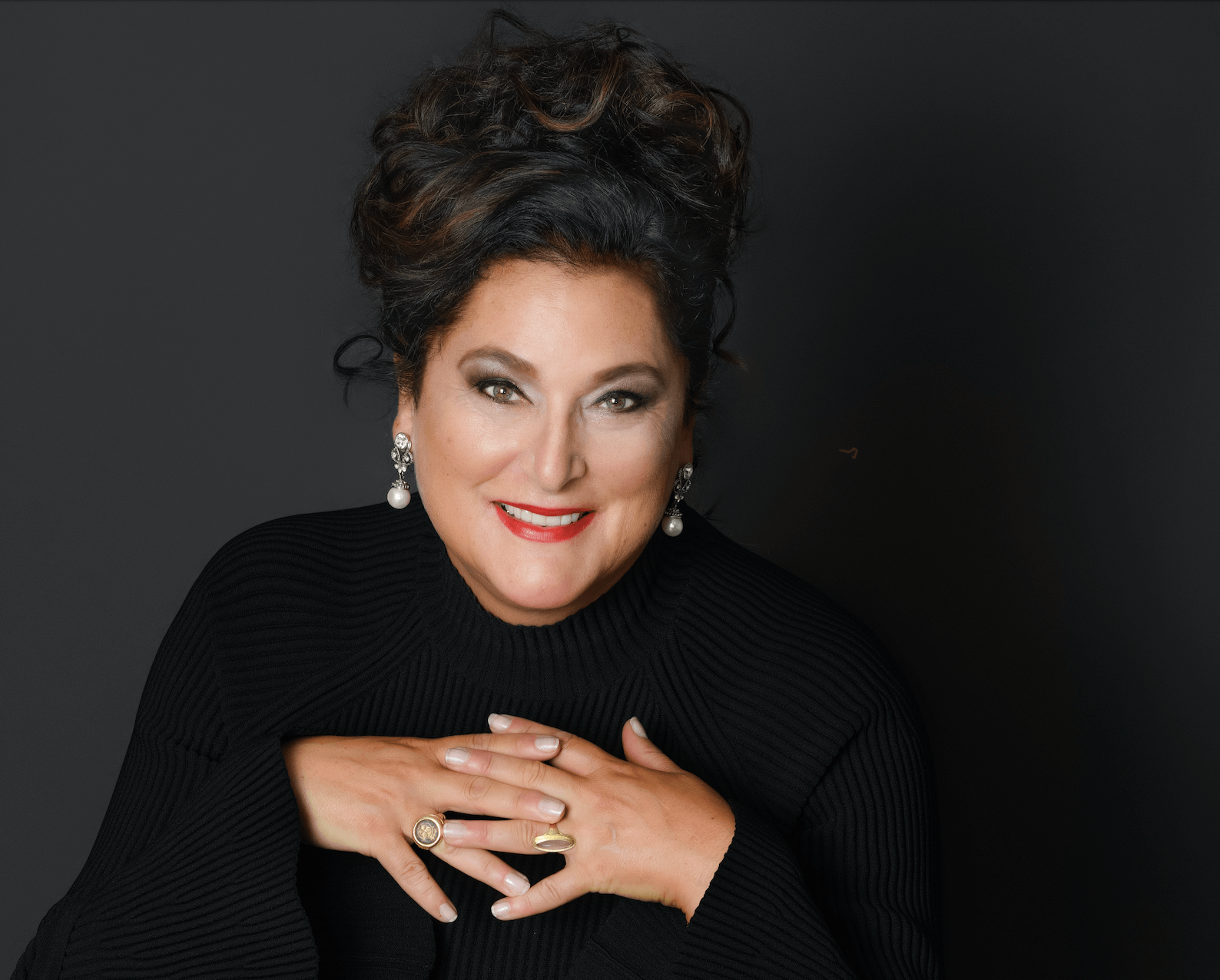
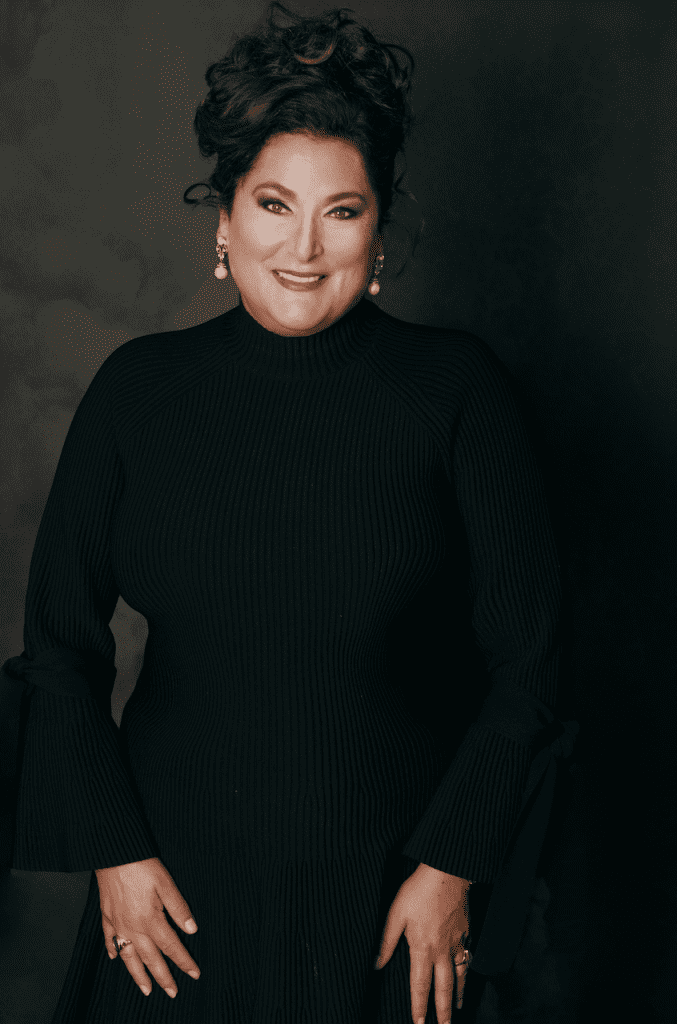
Dr Jasmin Cowin
Dr. Jasmin Cowin is an Associate Professor at Touro University, a Fulbright Scholar, an SIT Graduate, a past Education Policy Fellow at Columbia University, Teachers College, a U.S. Department of State English Language Specialist and harpist. Living in the era of the Fourth Industrial Revolution, she acknowledges the significant role she plays in preparing future educators who will teach well into the 2050s.
At the core of her personal and professional ethos lies a passionate commitment to Sustainable Development Goal 4, which aims to ‘ensure inclusive and equitable quality education and promote lifelong learning opportunities for all.’ This goal serves as the guiding principle for her work both at Touro University and as a pro-bono advisor to various not-for-profits and teacher education organizations in the US, Burundi, Morocco, and Yemen. Dr. Jasmin Cowin believes that education ignites the imagination, serves as the foundation for prosperity, and opens doors to a multitude of opportunities in our increasingly interconnected global economy.
Closer to home, as a board member of ‘Today’s Students, Tomorrow’s Teachers’, she actively supports efforts to recruit, mentor, and train culturally diverse and economically challenged students from high school through college, with the objective of placing them as effective teachers and committed leaders who can strengthen schools and communities. Similarly, her involvement with Computers for Schools Burundi underscores her commitment to leveraging education and technology to enhance educational outcomes in Burundi. By providing computers, technical training, cultural competency training, and English language training founder and CEO Emmanuel Ngendakuriyo, his incredible team, and Dr. Jasmin Cowin, aim to bridge the digital divide and empower both educators, students, and communities in Burundi with the skills necessary for success in the 21st century.
As an educator, teacher, mentor, and advisor, Dr. Jasmin Cowin has seen firsthand how passion transcends transactional processes. Her drive to leave the world a better place through education and technology goes beyond conventional metrics of success. It is about nurturing potential, fostering diversity, and creating lasting, positive change.
In the past year, what is the greatest business achievement you have achieved?
I am honored to have been selected by the U.S. Department of State for a prestigious English Language Specialist project focusing on assessment in education and Artificial Intelligence in Russia. My project, one of approximately 240 supported annually by the English Language Specialist Program, will involve serving as a plenary speaker and delivering a workshop for university professors and graduate students at a regional conference dedicated to linguistics, language teaching, and assessment. In addition, in 2023, I presented at the TESOL International conference in Portland and went to Morrocco and Germany to conduct workshops for both educators and students.
Business is all about overcoming obstacles and creating opportunities for growth. What do you seeas THE real challenge right now?
In the context of my work, and reflecting on my journey and ethos as an educator I am deeply invested in transformative education and the principles of Lynda Miller’s philosophy of abundance. For me the paramount challenge today is navigating the complexities of a Volatile, Uncertain, Complex, Ambiguous ( VUCA) world, especially with the rapid advancement of AI. This VUCA environment directly impacts all facets of our work and heralds a fundamental shift in how we should prepare our future workforce. This shift requires of being fully informed through discussion, vetting, and the responsible integration of AI and 4IR (Fourth Industrial Revolution) innovations into education and work.
For me, this VUCA world presents a double-edged sword: challenges and potential, but also risks and unintended consequences. While the rapid advancement of AI undeniably shapes the global business landscape, its integration into education requires cautious consideration. We must not solely focus on technological prowess at the expense of nurturing crucial human qualities like resilience, adaptability, and ethical judgment. Truly transformative education, therefore, necessitates a balanced approach that critically evaluates the role of 4IR technologies in learning, ensuring they serve as tools to augment, not replace, the irreplaceable human element in education.
My focus on quality education, aligned with the United Nations Sustainable Development Goal 4, positions me to address these challenges head-on. Through initiatives like Computers for Schools Burundi (CfSB) and TESOL “Train the Trainer” programs in Yemen and Morocco, I contribute to building a globally competent, technologically savvy, and ethically grounded teacher workforce. These programs, underpinned by a philosophy that views diversity and individual experiences as assets filled with positivity and optimism, are particularly valuable in preparing students and educators alike for the complexities of a VUCA world.
Moreover, the integration of AI into educational practices is not just about teaching technical skills; it’s about fostering a mindset that is prepared for continuous learning, ethical reasoning, and adaptability in the face of uncertainty. This involves cultivating an ethos among students and educators that values critical thinking, creativity, and the ethical use of technology, ensuring collectively we are not only consumers of AI but also informed contributors to a society that leverages AI for the common good.
What does “success” in the year to come mean to you? It could be on a personal or business level,please share your vision.
Success in the forthcoming year, from my perspective, centers on advancing my research and practical applications within metaverses like Agora World. This endeavor aims to revolutionize educational spaces for educators in training, both domestically and internationally. By integrating cutting-edge virtual environments, the goal is to transcend traditional learning methodologies, offering immersive and interactive experiences that cater to the evolving needs of educators and students.
Simultaneously, my work with simSchool in simulation training underscores my commitment to enhancing pedagogical strategies. This involves using simulations to prepare educators more effectively, by providing them with realistic scenarios and challenges they are likely to encounter in their classrooms.
Expanding my keynote speaking engagements is another facet of my goal for 2024/2025. By sharing my insights at various forums, I aim to influence the educational landscape positively. My perspective on success is fundamentally anchored in a non-transactional philosophy. It champions the idea of experiences as invaluable assets, imbued with positivity and optimism. Such a stance is crucial in counteracting the often dystopian narratives that pervade our contemporary discourse.
Personally, nearing the end of a decade and looking at a different life stage, I often reflect on [28] With them the Seed of Wisdom did I sow by Omar Khayyam (English version by Edward FitzGerald, Original Language Persian/Farsi):
With them the Seed of Wisdom did I sow,
And with my own hand labour’d it to grow:
And this was all the Harvest that I reap’d —
“I came like Water and like Wind I go.”
This particular quatrain from the poem “Rubáiyát of Omar Khayyám,” translated by Edward FitzGerald encapsulates for me a philosophical reflection on life, wisdom, and the transient nature of human existence. Omar Khayyám, a Persian mathematician, astronomer, philosopher, and poet, is known for his exploration of the universe’s mysteries and the human condition through his poetry. For me, the lines metaphorically discuss the poet’s journey of sowing the “Seed of Wisdom,” signifying the pursuit of knowledge and understanding throughout one’s life. The act of sowing and laboring with his own hands indicates a personal and active engagement in this quest for wisdom. However, the harvest or the outcome of this lifelong endeavor is described in a poignant realization: “I came like Water and like Wind I go.” This statement reflects on the ephemeral nature of life and achievements, suggesting that despite the efforts and wisdom gained, one’s existence and accomplishments are as transient as the elements of water and wind. This quatrain, therefore, speaks to the humility and acceptance of the limits of human life and achievements. I need to acknowledge that despite my deepest endeavors to understand and bring joy to the world around me, I am ultimately part of the natural cycle, coming and going with the fluidity of water and the fleetness of wind.
In your experience, what tends to be the most underestimated part of running a company? Canyou share an example?
Given the multifaceted nature of my role as a pro bono consultant, keynote speaker, conference organizer, workshop provider, and full-time Associate Professor, the underestimated parts of managing such a diverse portfolio revolve around several critical but often overlooked aspects. Even in a pro bono capacity, the administrative tasks can be substantial. This includes planning and coordinating events, managing communication with multiple organizations, and preparing materials for workshops and presentations, and keeping track of my expenses. The paperwork and logistical coordination involved in these activities can consume a significant amount of time and energy. I need to be very cognizant of pacing and focus given the diversity of my engagements. Pacing myself and maintaining focus becomes crucial. It’s easy to become overwhelmed by the sheer volume of work or to get sidetracked by new opportunities that arise from my engagements. Staying focused on my objective of SDG 4 and pacing my efforts to avoid burnout are essential strategies. In regards to self-care and maintaining personal space, it is critical to recognize the signs of overcommitment and to understand the value of saying no to protect my well-being.
I am humbled and excited to serve the U.S. Department of State in the capacity of English Language Specialist.
The English Language Specialist Program is the premier opportunity for leaders in the field of teaching English to speakers of other languages (TESOL) to enact meaningful and sustainable changes in the way that English is taught abroad. Through projects developed by U.S. Embassies in more than 80 countries, English Language Specialists work directly with local teacher trainers, educational leaders, and ministry of education officials to exchange knowledge, build capacity, and establish partnerships benefiting participants, institutions, and communities in the United States and overseas. Since 1991, the English Language Specialist Program has supported in-country, virtual, and mixed projects in which hundreds of TESOL scholars and educators promote English language learning, enhance English teaching capacity, and foster mutual understanding between the U.S. and other countries through cultural exchange. During their projects, English Language Specialists may conduct intensive teacher training, advise ministries of education or participate in high-level educational consultations, and offer plenary presentations at regional, national, or international TESOL conferences. These projects are challenging and those selected represent the best of the U.S. TESOL community. In return, the program provides professional development opportunities to help participants experience different cultures and build skills that can greatly enhance their TESOL careers at home. English Language Specialists are counted among the more than 50,000 individuals participating in U.S. Department of State exchange programs each year. The Specialist Program is administered by the Center for Intercultural Education and Development at Georgetown University.
As a Professor for TESOL, I am immensely proud to feature outstanding student work from our MS in Teaching English to Speakers of Other Languages (TESOL) Program. New York’s linguistic diversity demands teachers who can find common ground and effectively communicate with students from different language backgrounds. Academically rigorous and practice-intensive, the 33-credit program prepares candidates to be eligible for recommendation for ESL certification.
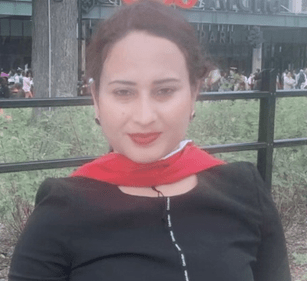
Jasmeet Kaur, Touro University TESOL candidate, a graduate of York College in Childhood Education (Grades 1-6) with Summa Cum Laude honors in 2022, is currently employed as a Substitute Teacher. Concurrently, she is pursuing a Master’s degree in TESOL at Touro College. Her professional objective is to support bilingual and multilingual students, aiming to instill confidence in their abilities and guide them towards academic and personal success.
“In my journey towards becoming a TESOL professional, Touro College has not only deepened my understanding of teaching pedagogy but has also introduced me to the latest educational technologies, which I believe will significantly enhance my future effectiveness in the field.”
Exploring new technological resources such as VW’s and their unique environments opens new dimensions of the formative teaching and learning process. Current space-temporal barriers are opening and disrupting up the ESL teaching field. The contexts within VW’s requires thoughts about how the role of ESL teachers in VW’s. Also, an exploration of the dynamics of ESL students entering VW’s, their learning, the interaction between peers, teachers and ‘drop-ins’ or visitors is necessary. Exploring, sharing and learning in a VW unfolds venues of student network collaborations, leading to Personal Learning Networks (PNL). ESL language acquisition cannot be understood without this social and educational perspective.
Virtual Worlds are emerging as a strong educational phenomenon because they enable participants and in-world travelers to meet and socially interact with others in a variety of online environments. Users navigate these online environments utilizing an avatar. Avatars are personalized by the user and act as their ‘alter ego’ in their chosen virtual setting. There is a multitude of virtual worlds focused on education. Here a small sample: ScienceSim, Heritage Key, Active Worlds Educational Universe, Secret Builders and WizWorld Online.
VW’s invite and require a certain degree of self-organization in the personalized trajectory of improving L2 language skills. The importance of self-organization as a learning process is stated by Wiley and Edwards:
“Jacobs argues that communities self-organize a manner similar to social insects: instead of thousands of ants crossing each other’s pheromone trails and changing their behavior accordingly, thousands of humans pass each other on the sidewalk and change their behavior accordingly.”
In her article, Wendy Drexler, University of FloridaI, “The networked student model for construction of personal learning environments: Balancing teacher control and student autonomy” states:
“Principles of networked learning, constructivism, and connectivism inform the design of a test case through which secondary students construct personal learning environments for the purpose of independent inquiry. Emerging web applications and open educational resources are integrated to support a Networked Student Model that promotes inquiry-based learning and digital literacy, empowers the learner, and offers flexibility as new technologies emerge.”
Balancing the benefits of technology and real-life experiences in the experiential realm will be a challenge for the educational system at large. The benefits of VW’s are anchored in participants’ ability to create PLN’s; enhance their imagination; to grow and learn; to create with one’s mind and fingers a world that existed only as a representation and then enter that world as active learners. One future of education is the establishment of learning communities where we come to learn with each other and from each other in a collaborative process. Collaborative processes give rise to vibrant cultures of growth and development with the result of a harvest of student achievement filled with a growth mindset, mental flexibility, curiosity, risk taking and intrinsic motivation.
VW’s strengths as learning platforms for English language teaching and training lie in their multinational, multiethnic, and multilingual set-up. They essentially are a sandbox for highly immersive experiential learning where almost any conceivable educational scenario can be simulated and carried out. In-World students often identify strongly with their alter-ego avatar. Avatars can manipulate and use objects while socially networking in a 3D environment. With an alter ego buffering the self-conscious hurdle of fluency practice participants are more likely to speak to peers and mentors, join and/or form groups to meet like-minded persons, seek out casual conversations and enjoy educative congregating such as coffee house socializing, fire-pit talks or rezzing in to meet new group members for hang-outs.
Generally, participants experience VW’s as less intimidating places which enable both native and non-native interaction with a potential for community building and Virtual World –> Real World (RW) carryover. Particularly favored features are instantaneous virtual traveling (teleporting) to RW locations in SL, the existence of support groups and forums for formal and informal learning, all of which enable L2 language acquisition through experimental experiences.
Exploring new technological resources such as Virtual Worlds and their unique environments new dimensions of the formative process break current space-temporal barriers by opening up the ESL teaching field. The contexts within the Virtual Worlds (VW) requires thoughts about how ESL participants learn, the interaction between participants, teachers and ‘drop-ins’ or visitors. One of the questions I have formed is: How do international ESL learners interact with their peers and their instructors in a VW?
New demands in fluency and real-life response time makes new complex learning approaches appear. Classroom ESL teaching has a synchronous response tied to a physical student presence, participation, and scaffolded testing. Learning, as a social process, improves to the person, interrogates it, situates it in front of the people who surrounds him and about himself, at the same time that it lets the development and the learning of people and organizations. Communication is established, thus, the central act of human life (Cortese, 2004).
VW’s unique delivery of both synchronous and asynchronous learning is the relation of a social and shared perspective. Exploring, sharing and learning in a VW opens up new venues of student network collaborations. Generally, ESL language acquisition cannot be understood without this social and perspective.The questions to be explored with further reading and going VW are: Is there a successful schemata for ESL in VW? If yes, what does it look like>? What is the experience for the students? What is the learning philosophy of the creator of the ESL VW environments?





 Exploring new technological resources such as Virtual Worlds and their unique environments new dimensions of the formative process break current space-temporal barriers by opening up the ESL teaching field. The contexts within the Virtual Worlds (VW) requires thoughts about how ESL participants learn, the interaction between participants, teachers and ‘drop-ins’ or visitors. One of the questions I have formed is: How do international ESL learners interact with their peers and their instructors in a VW?
 Dr. J's Education Blog