
Teaching English to Speakers of Other Languages
New York is a state that speaks many languages. We need teachers who can find the common ground.
The MS in Teaching English to Speakers of Other Languages (TESOL) Program helps NYS-certified PreK-12 teachers more effectively teach and communicate with a diverse student population.
Academically rigorous and practice-intensive, the 33-credit program includes 5-15 hours of fieldwork embedded in each course
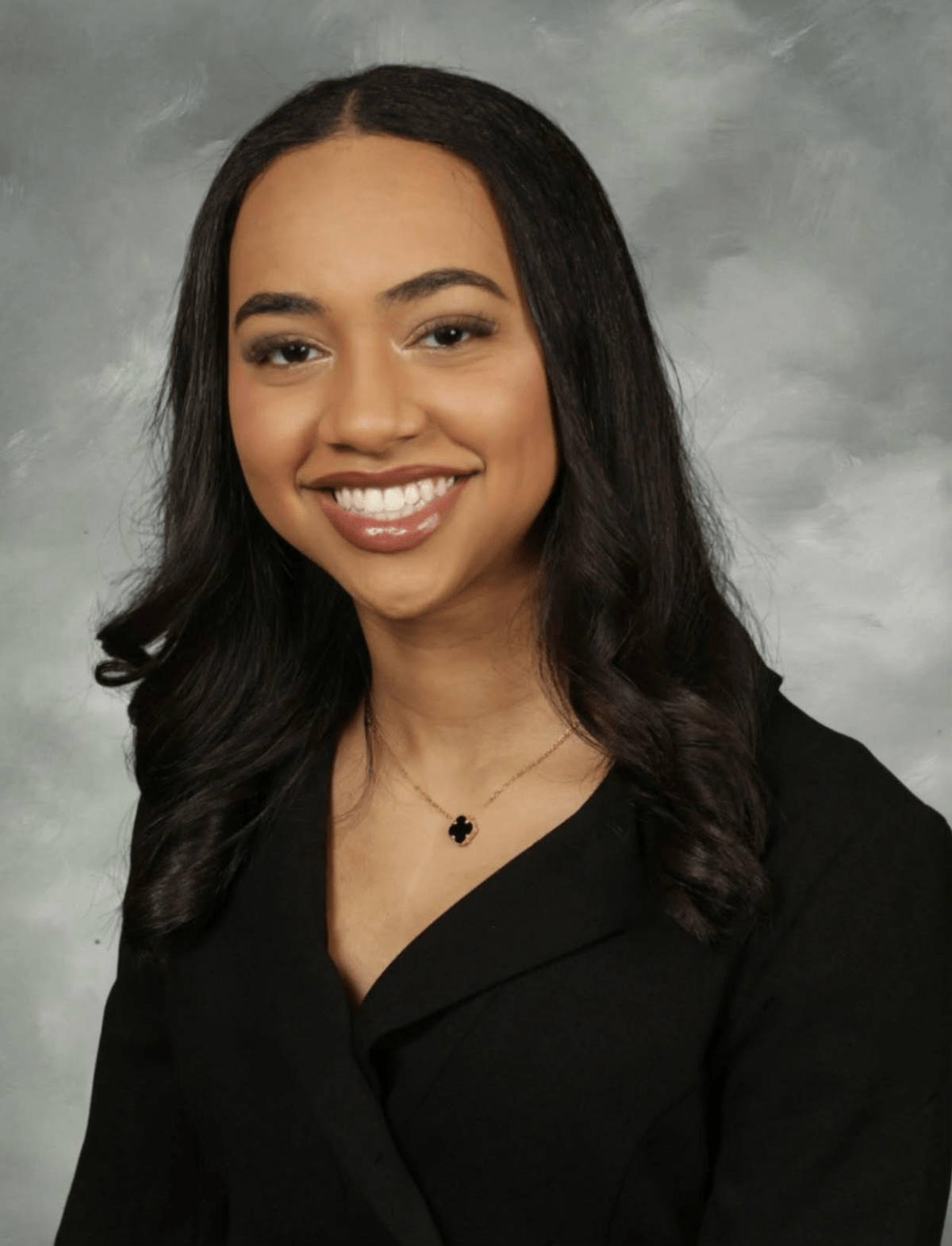
Hamida Abdalla is 22 and holds a bachelor’s degree in Childhood Education. She is pursuing a master’s degree in TESOL to help students develop their English language skills. Her goal is to create a supportive and accessible learning atmosphere that assists English language learners in improving their English language abilities, ensuring that every student can communicate effectively and achieve academic success.
Although this is only my first semester at Touro, I have gained valuable expertise to foster an inclusive learning environment where all students, regardless of their proficiency level, can thrive and reach their full potential.
Hamida Abdalla, Touro University, TESOL Candidate
Ms. Abdalla submitted an exemplary and rich Field Experience for EDDN 635: Curriculum Development and Classroom Management in the Technology Era which required that”Candidates will engage in a dual observational role: in the classroom with English Language Learners (ELLs) or bilingual students, they will examine how educators integrate technology to enhance language instruction and manage a diverse classroom; in the school library, they will observe the role of technology in supporting literacy skills among linguistically diverse students.”
This field experience assignment is AI-proof because it demands direct personal observation and critical analysis of real-world classroom dynamics and personal interactions that cannot be fabricated by AI systems. The requirement for candidates to simultaneously examine classroom technology integration for ELL students and library-based literacy support creates a complex, interconnected observational task requiring authentic human presence and professional judgment. The rich, contextual details that emerge from observing how educators and librarians support linguistically diverse students through technology cannot be convincingly generated by AI, as these observations must draw from genuine human experiences, professional educational insights, and a nuanced understanding of how different learning environments complement each other.

 Dr. J's Education Blog