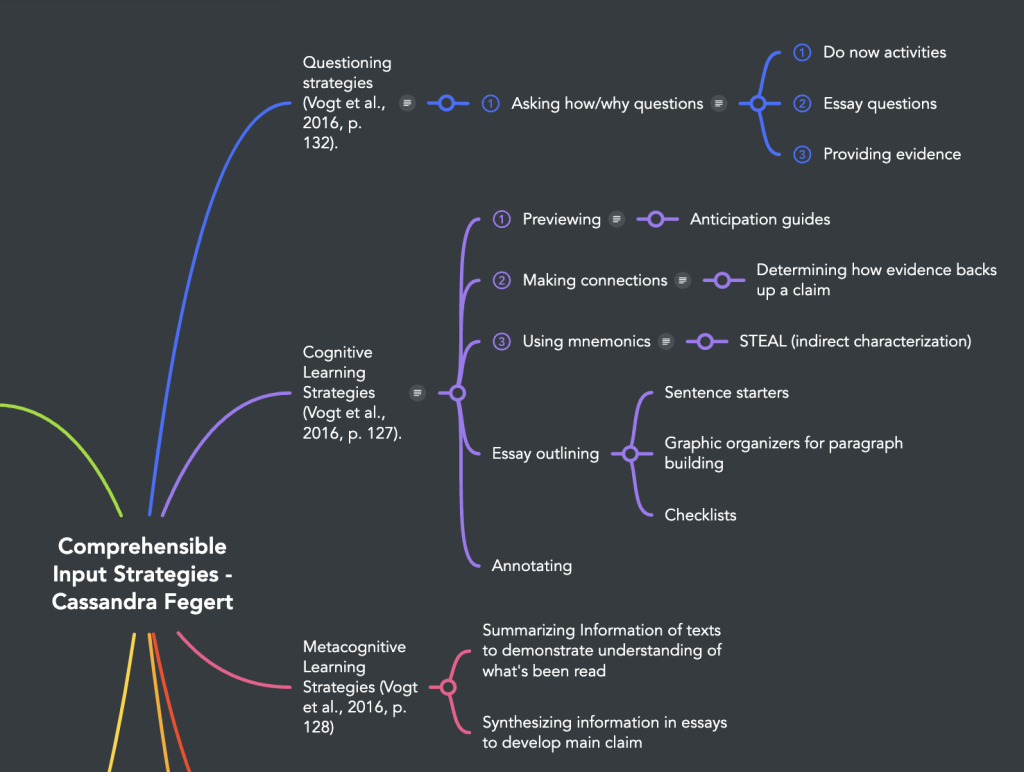
Touro University TESOL Candidate Mia Sessa on General Academic Vocabulary, Cross-Curricular Terms/Processes & Function

As an Associate Professor for the Touro University TESOL/BLE Department, I am immensely proud to feature outstanding student work from our MS in Teaching English to Speakers of Other Languages (TESOL) Program. New York’s linguistic diversity demands teachers who can find common ground and effectively communicate with students from different language backgrounds. Academically rigorous and practice-intensive, the 33-credit program leads candidates who complete all coursework, and fieldwork to recommendation for ESL certification.

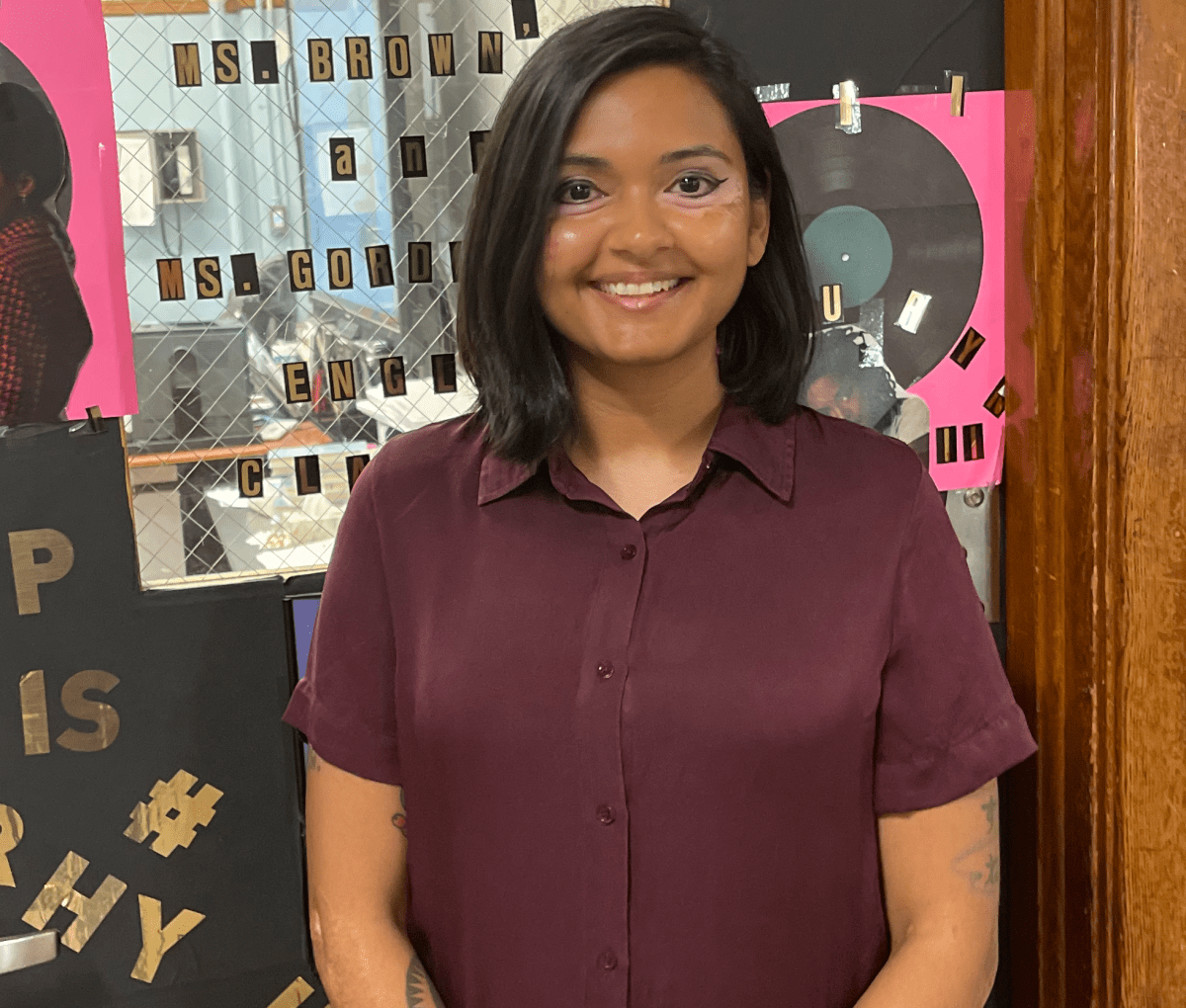
Ms. Mia Sessa is an entry-level elementary special education teacher passionate about working with students with disabilities and multi-lingual learners! Ms. Sessa is a Third Grade Priority Substitute on Long Island, New York. This is her first semester as a graduate student in the TESOL program at Touro University, and she is extremely excited to continue to learn and grow as an educator and individual at Touro! One of her favorite quotes is; “When planning programs and instruction for English learners, we sometimes focus solely on what they are not yet proficient in and fail to consider the assets they bring to school.” – MaryEllen Vogt, Jana Echevarria, and Deborah J. Short

Ms. Sessa wrote an exceptional DB 3 for our course EDDN 637 – Second Language Learners and Content Areas

TESOL Graduate Candidate at Touro University, Alexa Armentano on CR Part 154 Comprehensive ELL Education Plan (CEEP), ENL staffing requirements, and Community Language Teaching

As an Associate Professor for the Touro University TESOL/BLE Department, I am immensely proud to feature outstanding student work from our MS in Teaching English to Speakers of Other Languages (TESOL) Program. New York’s linguistic diversity demands teachers who can find common ground and effectively communicate with students from different language backgrounds. Academically rigorous and practice-intensive, the 33-credit program leads candidates who complete all coursework, and fieldwork to recommendation for ESL certification.

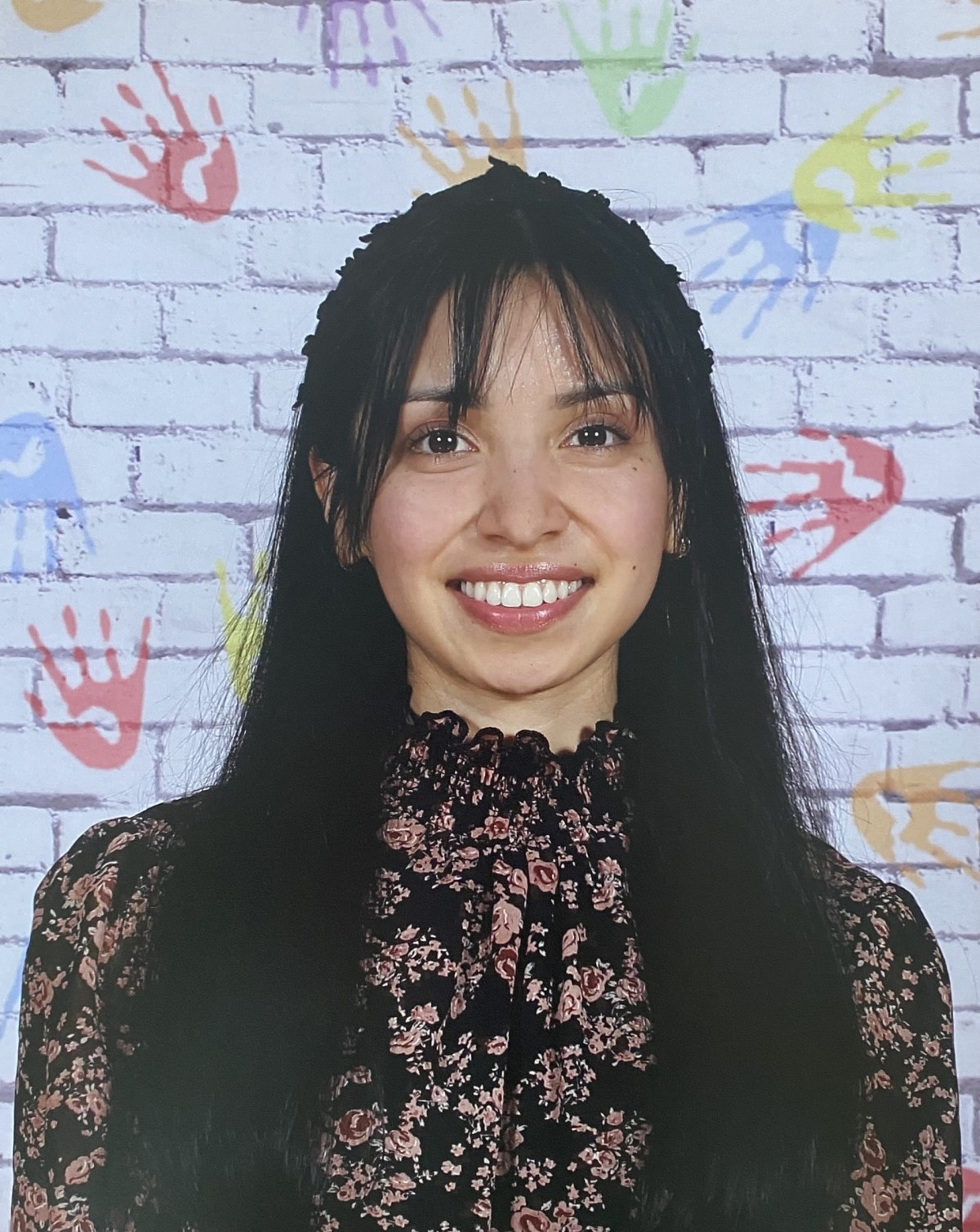
Alexa Armentano is a candidate in the TESOL Graduate Program at Touro University. She attended Hofstra University for her undergraduate degree where she earned a dual degree in Early Childhood Education and Childhood Education, as well as a Psychology degree. Fun Fact! She coaches the Commack High School dance team.

My journey through the Touro University Graduate School of Education TESOL program has been an enriching experience that has deepened my passion for teaching and equipped me with the skills necessary to make a meaningful impact in the field of education.

Alexa Armentano, TESOL Graduate Candidate at Touro University

Directions and the Tasks: Discussion Board 3 Program Models – Bilingual & ESOL

CUT AND PASTE QUESTIONS IN ORDER AND ANSWER EACH ONE OF THEM.

  1. CREATE A  COMPARTIVE TABLE WITH AT LEAST 3 POINTS; How do the BLUEPRINT FOR ENGLISH LANGUAGE LEARNER/MULTILINGUAL LEARNER (ELL/MLL) SUCCESS http://www.nysed.gov/common/nysed/files/nys-blueprint-for-ell-success.pdfLinks to an external site. and CR Part 154 Comprehensive ELL Education Plan (CEEP) and ENL staffing requirements connect with each other? http://www.nysed.gov/bilingual-ed/cr-part-154-comprehensive-ell-education-plan-ceep?  Links to an external site.http://www.nysed.gov/common/nysed/files/programs/bilingual-ed/enl-k-8-units-of-study-table-5-6-15.pdfLinks to an external site.
  2. How might the principles of CLT be applied or adapted to meet the challenge posed by the following context? Students seem to be shy and unaccustomed to discussing topics of a personal or social nature with one another, and the teaching approach is very teacher-centered. Celce-Murcia, Marianne; Brinton, Donna M.; Snow, Marguerite Ann. Teaching English as a Second or Foreign Language (Chapter 2). Heinle ELT. Kindle Edition. 
  3. How do (or might) you use technology for CLT language teaching and learning in your context? What constraints do you face? Do you think that you as a language learner or your  (future) students would want to engage in virtual or simulated learning environments online? Why or why not? Please write from your own experience and from the I perspective. Chapter 2Celce-Murcia, Marianne; Brinton, Donna M.; Snow, Marguerite Ann. Teaching English as a Second or Foreign Language (p. 29). Heinle ELT. Kindle Edition. 

TO DO:

  1. Please cut and paste the questions into your DB dialogue box and answer each question.
  2. Spell and grammar check your answers.
  3. Create a reference section/bibliography in APA style – https://www.citationmachine.net/apaLinks to an external site.

Dr. Jasmin (Bey) Cowin publishes “Voice cloning: A Trojan horse or Proteus unmasked?” with Stankevicius.

I am pleased my column has been published – and my first miniature SciFi story nested within.

My little AI-generated comic strip showcases my SchFi story which you can read when clicking on the article.

Cowin, J. (2024, June 27). Voice cloning: A Trojan horse or Proteus unmasked? Stankevicius. https://stankevicius.co/tech/voice-cloning-a-trojan-horse-or-proteus-unmasked/ 

Assessment Practices for Multilingual Learners: Insights from Touro University TESOL Candidate Carly Croteau

As an Associate Professor for the Touro University TESOL/BLE Department, I am immensely proud to feature outstanding student work from our MS in Teaching English to Speakers of Other Languages (TESOL) Program. New York’s linguistic diversity demands teachers who can find common ground and effectively communicate with students from different language backgrounds. Academically rigorous and practice-intensive, the 33-credit program leads candidates who complete all coursework, and fieldwork to recommendation for ESL certification.

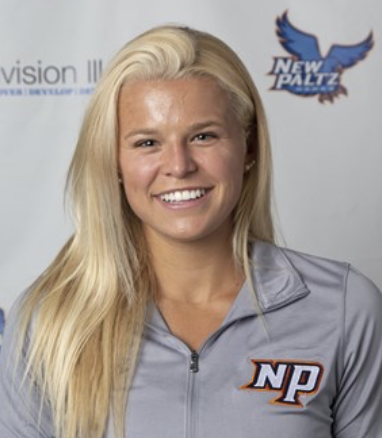
Carly Croteau graduated from SUNY New Paltz in 2021 with a Bachelor of Science in Early Childhood and Childhood Education, concentrating in Spanish and minoring in Deaf Studies. Throughout her tenure at SUNY New Paltz, she was a committed varsity student athlete, playing for the field hockey team and serving as a three-year captain for the program. In September 2022, she began teaching fourth grade and started to work towards a Master of Science in Teaching English to Speakers of Other Languages (TESOL).

Brazilian Journal of Business publishes “AI and the future of marketing education through the lens of the Space Merchants,” by Jasmin Cowin, Cristo Leon, Sabra Brock, Xavier Oviedo Torres

Image generated by Dall-E

It is a pleasure to announce the following article which grew from our quartet’s transdisciplinary discussions. publication:

Cowin, J., Leon, C., Brock, S., & Torres, X. O. (2024). AI and the future of marketing education through the lens of the space merchants. Brazilian Journal of Business6(2), e70382 .


Announcement: Dr. Jasmin Cowin selected for the 2024-2025 CETL Faculty Fellowship at Touro University

I am honored to share that I was selected as the recipient of the 2024-2025 CETL Faculty Fellowship at Touro University. This fellowship, effective immediately and running through June 30, 2025, marks a significant milestone in my academic career, allowing me to spearhead an innovative project integrating Artificial Intelligence into our teaching practices.

Under the guidance of Prof. Dr. Shlomo Engelson Argamon, Associate Provost for Artificial Intelligence and Professor of Computer Science at Touro University, I will be developing a faculty development course on AI, set to launch in Spring 2025. This initiative aims to explore how we approach and engage with digital transformation in education.

Throughout the fellowship, I will contribute to the CETL webpage, sharing insights and resources to support my fellow faculty members and peers. Additionally, I will serve on the CETL Faculty Advisory Board, working collaboratively to enhance our collective efforts and drive educational strategies.

As I begin this fellowship, I look forward to sharing the developments and insights gained with our larger Touro University academic community. I anticipate engaging in meaningful conversations and collaborations.

Stay tuned for updates on this initiative, and join me in exploring the potential of AI in shaping the future of education at Touro University.

#CETLFellowship #AIinEducation #DigitalTransformation #TouroUniversity

Dr. Jasmin (Bey) Cowin presents ‘Athenian Echoes: Technology’s Catalytic Impact on Academia 2030’ for the University of Internal Affairs of the Mongolian Ministry of Justice and Home Affairs

Cowin, J. (2024, May 29). Athenian echoes: Technology’s catalytic impact on academia 2030. Examining historical foundations and future transformations. Virtual presentation at the University of Internal Affairs of the Mongolian Ministry of Justice and Home Affairs “Tendencies of Foreign Language Education.”

Dr. Jasmin (Bey) Cowin publishes ‘Cognitive Liberty & Brainwaves: The New Digital Frontier’

Are you ready for neurotechnology and EEG’s to be your newest workplace companion? Read my newest column for Stankevicius!

Cowin, J. (2024, May 19). Cognitive Liberty & Brainwaves: The New Digital Frontier. Stankevicius. https://stankevicius.co/tech/cognitive-liberty-brainwaves-the-new-digital-frontier/ ​ 

Touro University TESOL Candidate Irene Theotokas’ Curriculum Map

EDDN 635 Curriculum Development and Classroom Management in the Technology Era

This comprehensive course builds upon the foundation of curriculum development and classroom management in the context of teaching English language learners. Expanding its horizons to embrace the digital age, the course adeptly weaves innovative technology integration into the domain of Teaching English to Speakers of Other Languages (TESOL). Crafted to empower prospective TESOL/BLE educators, the course hones in on fostering competence in designing, implementing, assessing, and reflecting within diverse language learning environments, all while capitalizing on the potentials of cutting-edge technology. With a strong focus on practical application and discerning appraisal of technological tools, this course primes upcoming educators to excel amidst the ever-evolving educational landscape. Includes 10 hours of field work.

Irene Theotokas: As a first-year teacher, she is on a mission to mirror the impactful mentorship she received as a young student. Inspired by the teachers who shaped her path, she aspires to be a beacon of guidance and support for her students, just as they were for her during her formative years. It is a privilege for her to give back to the community that helped mold her, and she is dedicated to being the role model she once looked up to.

“At Touro University, earning my Master’s in ESL has been a journey of growth, inspiring me to teach and uplift English learners by showing how language can connect us all.”

Irene Theotokas, Touro University TESOL Candidate

As Irene Theotokas’ professor, I am impressed by how thoroughly she completed her curriculum map for EDDN 635 Curriculum Development and Classroom Management in the Technology Era. Her work reflects a high level of dedication and competence, meeting and exceeding the course requirements.

Dr. Jasmin (Bey) Cowin published Sentient AI or Modern Myth? Anthropic’s Claude 3 Opus, Talos and the Golem of Prague

Cowin, J. (2024, April 29). Sentient AI or Modern Myth? Anthropic’s Claude 3 Opus, Talos and the Golem of Prague. Stankevicius. https://stankevicius.co/tech/sentient-ai-or-modern-myth-anthropics-claude-3-opus-talos-and-the-golem-of-prague/

Daniel Dinello, in his apocalyptic book “Technophobia!” forecasts, “Like a viral infection, technology develops into an autonomous, invasive force that expands and fulfills its dangerous potential by flourishing in the societal medium of corporate, military, and religious sustenance. Voracious in its urge to possess and engulf, technology is a parasite that frequently undermines human integrity—invisibly infiltrating, manipulating, seizing control, and mutating its human host to support its own survival and evolution. Like a virus, technology metamorphoses itself, because of unintended and uncontrollable consequences, progressively transforming the human world in the wake of its own modern changing structure.” (Dinello, 2006, p. 247)

For more, click on my column and read!

Dinello, Daniel. Technophobia!: Science Fiction Visions of Posthuman Technology, New York, USA: University of Texas Press, 2006. https://doi.org/10.7560/709546