Touro TESOL Candidate Maria Quiroz’ Curriculum Analysis for EDDN 635 Curriculum Development and Classroom Management in the Technology Era

EDDN 635 Curriculum Development and Classroom Management in the Technology Era

This comprehensive course builds upon the foundation of curriculum development and classroom management in the context of teaching English language learners. Expanding its horizons to embrace the digital age, the course adeptly weaves innovative technology integration into the domain of Teaching English to Speakers of Other Languages (TESOL). Crafted to empower prospective TESOL/BLE educators, the course hones in on fostering competence in designing, implementing, assessing, and reflecting within diverse language learning environments, all while capitalizing on the potentials of cutting-edge technology. With a strong focus on practical application and discerning appraisal of technological tools, this course primes upcoming educators to excel amidst the ever-evolving educational landscape. Includes 10 hours of field work.

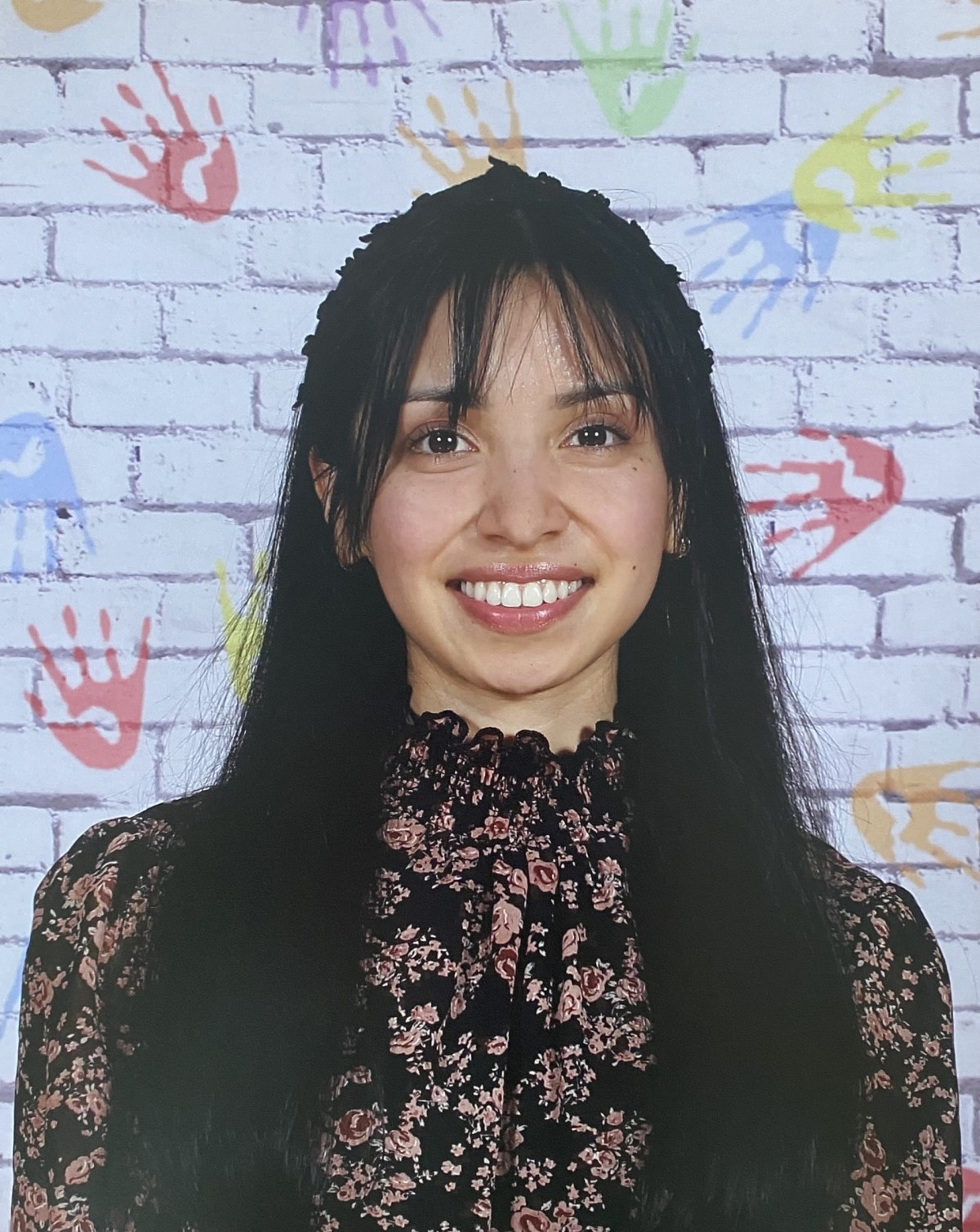
Maria Quiroz is a certified World Language teacher in Spanish for grades 7–12, who also holds a FLES extension for grades K–6. She is currently pursuing her Master’s degree in TESOL at Touro University. Her goal is to create inclusive, engaging learning environments that support diverse language learners across all age levels.


Maria Quiroz’ reflection on the assignment itself: This assignment was part of the Curriculum Analysis project in the Touro TESOL program. I analyzed the Getting to Know New York City unit for high school Emerging-level Multilingual Learners, using the EDDN 635 Alignment Reflection Tool. The work involved examining alignment with New York State Next Generation ELA Standards and WIDA ELD Standards, identifying supports and barriers for multilingual learners, and reflecting on ways to strengthen language and content integration. The process included multiple drafts and revisions, allowing me to develop a deeper synthesis of research-based ESOL strategies and culturally responsive curriculum design.

“Touro has inspired me to embrace innovation and equity in my teaching and given me the tools to support multilingual learners with confidence and purpose.”
Thank you again for this opportunity.

Maria Quiroz, Touro TESOL Candidate

Touro University TESOL Candidate Madison Derwin’s Field Log

MS in Teaching English to Speakers of Other Languages: New York is a state that speaks many languages. We need teachers who can find the common ground.

EDPN 673: Methods and Materials for Teaching English as a Second
Language

This course provides an historical overview of second language acquisition theories and teaching methods. Students learn how to apply current approaches, methods and techniques, with attention to the effective use of materials, in teaching English as a second language. Students will engage in the planning and implementation of standards-based ENL instruction which includes differentiated learning experiences geared to students’ needs. Emphasis is placed on creating culturally responsive learning environments. The course also analyzes the applicability of applied linguistic studies to such teaching and the appropriateness of various methods and techniques to different developmental and skill levels. Special attention is given to curriculum development, planning and executing instructional activities. Additional emphasis is given to the selection of materials and the design of evaluation instruments for measuring cognitive development if the core subject areas.

This assignment focuses on exploring and analyzing K-12 pedagogical approaches, methods, and strategies relevant to teaching English to speakers of other languages (ESOL) in diverse classrooms. The objective is to develop a deep understanding of the strategies that effectively convey state and professional standards-based curricula to students from different age groups, ability levels, and cultural backgrounds. Additionally, the assignment aims to facilitate the development, adaptation, and evaluation of materials for lesson planning and assessment. 

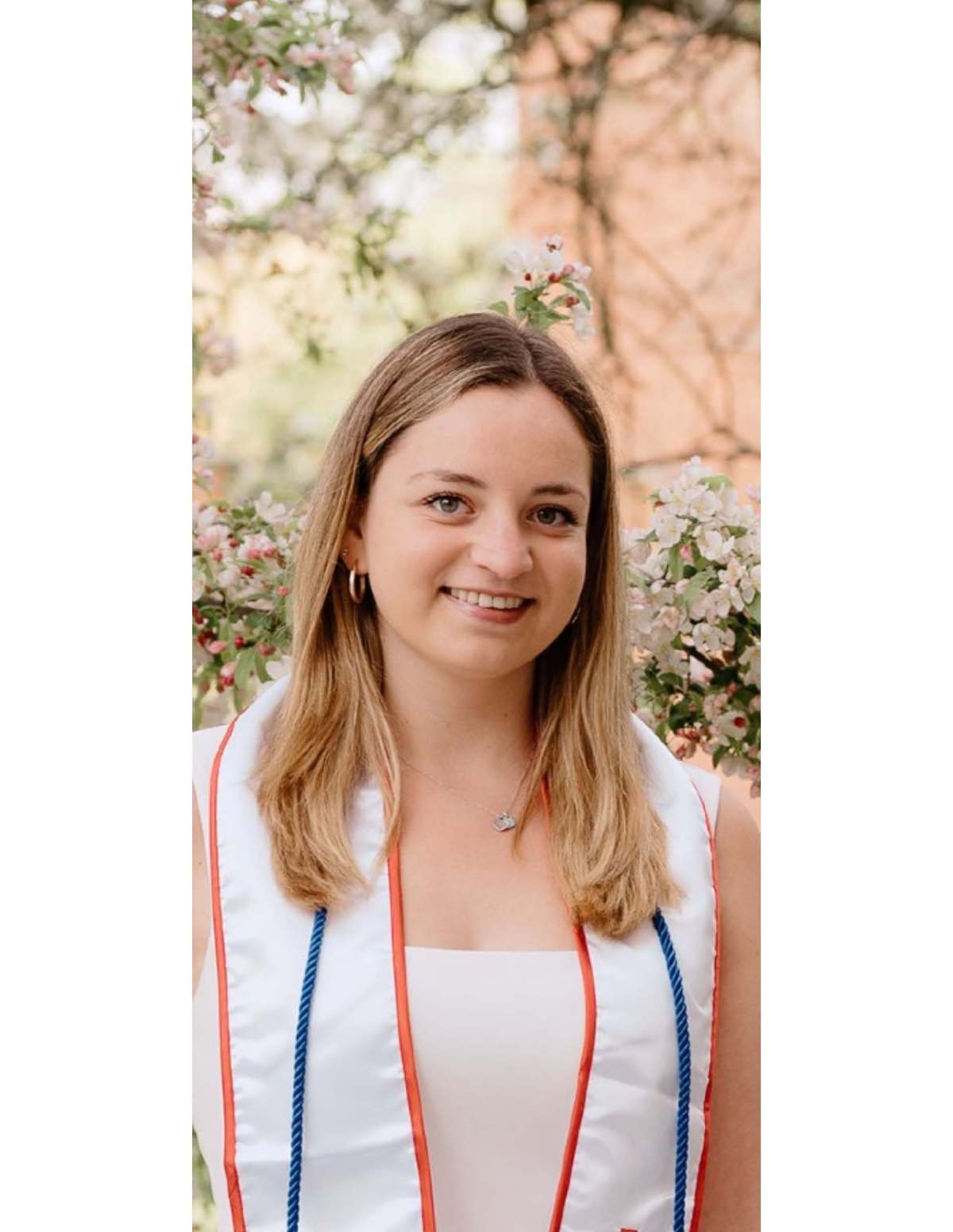
Originally from Long Island, New York, Madison Derwin holds a bachelor’s degree in Inclusive Childhood Education and is currently pursuing a graduate degree in TESOL. As an aspiring educator, Madison’s goal is to inspire students to reach their full potential through engaging lessons and hands-on learning experiences.

Ms. Derwin clearly connected her fieldwork to the course objective on second language teaching methods. Her interactions with the ENL-certified educator and attention to culturally responsive practices demonstrate strong professional engagement. Her descriptive focus on practical strategies such as scaffolding and visual aids, along with her recognition of the importance of inclusion and collaboration, reflects a thoughtful and intentional approach to her teaching observations.

Touro University Bilingual Teaching Certificate Candidate Sandy Gonzalez using Total Physical Response for Math

Celebrating Exemplar Work in TESOL
One of the most rewarding aspects of my role as faculty at Touro University’s TESOL & Bilingual department is the opportunity to highlight and honor the exceptional work of our students – work that embodies the high standards we aspire to our TESOL & Bilingual Education department under the leadership of Seongshin Kim, Ph.D. – Chair/Associate Professor for TESOL, Bilingual Education, & Teaching Literacy. When students grant permission to publish their work, they allow us to share model examples of excellence that illustrate the effective integration of theory and practice in our field. This act not only celebrates their achievement but also fuels a commitment to continuous improvement and ethical teaching practices.


The Value of Publishing Student Work
By publishing exemplary student work, we:
1. Validate their efforts and creativity: Recognizing outstanding accomplishments reinforces a culture of achievement and motivates others to strive for excellence.
2. Showcase authentic application of learning: These works serve as tangible examples of how theory—especially historical perspectives on language acquisition and current teaching methods—translates into effective classroom practice.
3. Promote transparency and scholarly dialogue: Sharing these projects encourages constructive discussion among educators and candidates, furthering professional growth and innovation.

Connection to AAQEP Standards
Linking this practice to AAQEP standards emphasizes the importance of quality assurance and rigorous assessment in educational programs. AAQEP champions initiatives that demonstrate:
1. Evidence-based Practice: The publication of exemplar work acts as concrete evidence of effective instructional strategies and culturally responsive teaching—key tenets of Touro’s TESOL paradigm.
2. Continuous Improvement: By openly sharing high-quality work, we establish benchmarks that peer educators and teacher candidates can analyze and aspire to, fostering an environment of consistent professional development.
3. Accountability and Transparency: This process highlights our commitment to ethical practices and quality instruction, reinforcing the values that AAQEP standards advocate.
In essence, when exemplary student projects are disseminated publicly (with the proper permissions), they serve as motivational tools and proof points for the quality and impact of our instructional approaches. By publishing work produced in such a dynamic and impactful course, I am not just celebrating student success; I am also providing a clear, accessible model of how thoughtful integration of differentiated instruction and cultural responsiveness can lead to authentic excellence for aspiring TESOL & Bilingual teachers.

EDPN 673: Methods and Materials for Teaching English as a Second Language

This course provides a historical overview of second language acquisition theories and teaching methods. Students learn how to apply current approaches, methods and techniques, with attention to the effective use of materials, in teaching English as a second language. Students will engage in the planning and implementation of standards-based ESL instruction which includes differentiated learning experiences geared to students’ needs. Emphasis is placed on creating culturally responsive learning environments. Includes 15 hours of field work.

Sandy Gonzalez holds a B.S. in Legal Studies from Post University and an M.S. in Education from St. John’s University. As a Special Education Secondary Generalist since 2013, she has always been dedicated to supporting diverse learners. Already fluent in Spanish, Portuguese, and English, intermediate in Italian, and now learning French, she is currently pursuing an Advanced Bilingual Teaching Certificate at Touro University to better serve the growing needs of English Language Learners in her high school. Her passion for language learning and inclusive education drives her commitment to empowering students with the skills and confidence to succeed.

Touro University has reinforced my passion for bilingual education while allowing me to grow as an educator enhancing my teaching strategies to better support the diverse linguistic backgrounds of my students.

Sandy Gonzalez,
Touro University Bilingual Teaching Certificate Candidate

Mini Lesson Vimeo Video Link:

CLICK HERE for Methods Presentation Slides Canva Link

Oralia Lainez-Tutka, a Touro University TESOL candidate on Curriculum Development and Technology

EDDN 635 Curriculum Development and Classroom Management in the Technology Era

This comprehensive course builds upon the foundation of curriculum development and classroom management in the context of teaching English language learners. Expanding its horizons to embrace the digital age, the course adeptly weaves innovative technology integration into the domain of Teaching English to Speakers of Other Languages (TESOL). Crafted to empower prospective TESOL/BLE educators, the course hones in on fostering competence in designing, implementing, assessing, and reflecting within diverse language learning environments, all while capitalizing on the potentials of cutting-edge technology. With a strong focus on practical application and discerning appraisal of technological tools, this course primes upcoming educators to excel amidst the ever-evolving educational landscape. Includes 10 hours of field work.

The assignment was to create a list of technology tools that not only aid teachers in instructional strategies and curriculum development but can also facilitate community outreach and engagement. I selected 9 tools that I currently use and explained how each tool can be used in an educational context for ELL students and for community outreach within my school. I used a padlet as I felt it was the best way to highlight each tool/website, it provides a clear view of the link, description and analysis. The assignment helped me further understand how many technological tools are used within a classroom.

Made with Padlet

Oralia Lainez-Tutka is a 4th year middle school Spanish teacher. This is her second semester with Touro University through the TESOL program.

“Although I have just begun my Touro journey, I do feel it is a positive one. My classes have supported my teaching, provided ample support, and I have been able to practice strategies and apply knowledge from my classes to my teaching. ”

Lainez-Tutka, TESOL candidate, Touro University

Touro University TESOL Candidate Kenia Torres’ Tech Tools

EDDN 635 Curriculum Development and Classroom Management in the Technology Era

This comprehensive course builds upon the foundation of curriculum development and classroom management in the context of teaching English language learners. Expanding its horizons to embrace the digital age, the course adeptly weaves innovative technology integration into the domain of Teaching English to Speakers of Other Languages (TESOL). Crafted to empower prospective TESOL/BLE educators, the course hones in on fostering competence in designing, implementing, assessing, and reflecting within diverse language learning environments, all while capitalizing on the potential of cutting-edge technology. With a strong focus on practical application and discerning appraisal of technological tools, this course primes upcoming educators to excel amidst the ever-evolving educational landscape. Includes 10 hours of fieldwork.

Kenia Torres is a Bilingual Kindergarten teacher in the Brentwood Union Free School District. She received her Bachelor’s Degree in Child Studies with a concentration in Speech Communication from Saint Joseph’s University, a Bilingual Extension from Touro University, and is currently enrolled in a TESOL program at Touro University. Kenia is passionate about developing a classroom community that allows all children to achieve their academic and personal goals. In the future, she would like to pursue an educational leadership role to empower educators and students to catalyze school success. A quote that reflects Kenia’s vision of the educational field is: “Tell me and I forget, teach me and I remember, involve me and I learn.”- Benjamin Franklin

The assignment for EDDN 635 Curriculum Development and Classroom Management in the Technology Era was: To curate a list of technology tools that not only aid in instructional strategies and curriculum development but also facilitate community outreach and engagement.

Introduction: Briefly discuss the importance of integrating technology in education and its possible role in using it for community engagement.

Selection of Technology Tools: Choose 9 technology tools, ensuring a mix that includes tools for both educational purposes and community outreach. These tools could range from educational platforms and apps to communication and social media tools.

Tool Descriptions: Provide a concise description of each tool, highlighting its key features and the URL. Explain how each tool can be used in an educational context and for community engagement.

Practical Applications: Illustrate practical examples of how these tools can be integrated into teaching, curriculum design, and/or community outreach initiatives. Examples could include using social media for parent-teacher communication, blogs for student projects showcased to the community, or collaborative platforms for community-based projects.

Reflection and Analysis: Reflect on the potential impact of these tools on enhancing educational experiences and community relations.
Analyze any challenges or limitations in implementing these tools for both educational and outreach purposes.

Format and Submission: Choose of format of your choice – possibly a Storybook, Padlet, Flipgrid etc.