Dr. Jasmin (Bey) Cowin, an Associate Professor at Touro University, received the 2024 Touro University CETL Faculty Fellowship for Excellence in Teaching and the Rockefeller Institute of Government awarded her the prestigious Richard P. Nathan Public Policy Fellowship (2024-2025). As a Fulbright Scholar and SIT Graduate, she was selected to be a U.S. Department of State English Language Specialist. Her expertise in AI in education is underscored by her role as an AI trainer and former Education Policy Fellow (EPFP™) at Columbia University's Teachers College. As a columnist for Stankevicius, she explores Nicomachean Ethics at the intersection of AI and education. She has contributed to initiatives like Computers for Schools Burundi, served as a resource specialist for Amity University in Uttar Pradesh, India, and participated in TESOL "Train the Trainer" programs in Yemen and Morocco. Her research interests include simulations and metaverse for educators-in-training, AI applications in education and language acquisition and teaching, and distributed ledger technologies, with a focus on her 'Education for 2060' theme.
In conclusion, my commitment extends beyond transactional interactions, focusing instead on utilizing my skills and privileges to make a positive, enduring impact on the world.
On January 7th, 2025, Meta CEO Mark Zuckerberg stunned the media, the public, and political world by announcing in a Facebook video an end to Meta’s longstanding fact-checking Meta for Media program. Instead, Meta will be implementing “community notes,” a system based on Elon Musk’s user-driven moderation strategy on X (formerly Twitter). Zuckerberg stated in the video, “It’s time to get back to our roots around free expression. We’re replacing fact checkers with Community Notes, simplifying our policies…” read more at Stankevicius:
2024 has been a transformative period for artificial intelligence (AI), defined by groundbreaking innovations, increased integration into industries, and establishing pivotal regulatory frameworks. Key developments have propelled AI into a new era of operational maturity and ethical consideration. My article explores At the cusp of tomorrow: AI’s 2024 milestones and the 2025 horizon.
TESOL/ENL and EFL professionals, I am pleased to share an infographic that surveys language transfer patterns among five commonly encountered groups in our multilingual classrooms: Ukrainian, Haitian Creole, Arabic, Urdu, and Spanish speakers. Titled Language Transfer and Its Role in Learning English, this visual aid illustrates each group’s potential positive transfers—such as Spanish-English cognates and shared SVO structures in Arabic and English—alongside likely areas of interference, complemented by targeted instructional strategies.
What distinguishes this resource is its in-depth focus on language-specific phenomena. The infographic addresses how Ukrainian speakers, already comfortable with a variant of the Latin alphabet, can make rapid gains in early literacy, yet often need focused practice differentiating English vowel contrasts. For Haitian Creole speakers, cognates derived from French (e.g., enfòmasyon and information) can aid vocabulary development, though the absence of inflected tense markers in Haitian Creole necessitates deliberate instruction in English verb conjugation. Arabic speakers, meanwhile, benefit from certain structural parallels with English but can face persistent challenges with the /p/ and /v/ phonemes; the infographic offers suggestions for minimal-pair drills to facilitate more accurate pronunciation. Urdu speakers may find vocabulary bridges through English loanwords yet need explicit guidance on word order, especially given their SOV home-language structure. Spanish speakers have an extensive network of cognates at their disposal, but can also benefit from carefully designed lessons that address interference in areas such as adjective-noun agreement or false friends.
If you are interested in enriching your understanding of how language transfer shapes English acquisition, this infographic may offer practical insights. I hope you will be able to adapt the infographic to your unique contexts and share reflections or additional ideas for fostering language transfer in action.
New York is a state that speaks many languages. We need teachers who can find the common ground.
The MS in Teaching English to Speakers of Other Languages (TESOL) Program helps NYS-certified PreK-12 teachers more effectively teach and communicate with a diverse student population.
Academically rigorous and practice-intensive, the 33-credit program includes 5-15 hours of fieldwork embedded in each course
The outlined field experience for EDDN 635 Curriculum Development and Classroom Management in the Technology Era is AI-resistant because it involves components that require direct human interaction, practical observation, and context-specific reflection that cannot be adequately replicated or performed by AI. Here’s a detailed breakdown of why this field experience ensures the authenticity of candidates’ engagement:
Dual Observational Role Classroom Observation: Observing educators working with English Language Learners (ELLs) or bilingual students requires attention to the nuances of teaching strategies, classroom dynamics, and student interactions. Library Observation: Observing how technology supports literacy development in a library setting involves recognizing non-verbal interactions, how students engage with resources, and the librarian’s role—all tasks requiring human presence and contextual understanding.
Interviews with ICT Specialists and Educators Conducting interviews demands human interaction skills, including the ability to ask follow-up questions, interpret verbal and non-verbal cues, and build rapport with interviewees. The responses gained from interviews are context-dependent and tied to the unique policies, practices, and challenges of the specific school or district, further grounding the experience in local realities.
Reflection and Synthesis Reflection Paper: Writing a paper based on observations and interviews requires critical thinking, personal insights, and the ability to synthesize information from varied experiences. This process is inherently human and tied to individual perspectives. Multimedia Presentation: Creating a presentation involves selecting and interpreting data, integrating visuals, and crafting a narrative that demonstrates deep understanding. These tasks necessitate creativity and critical analysis unique to the candidate.
Time Log and Deliverables Keeping a time log and taking observation notes are tasks tied to the candidate’s direct presence and engagement in specific activities. AI cannot generate authentic records of these experiences. The requirement for notes, interviews, and multimedia outputs ensures that the candidate participates actively and generates original content based on their unique experiences.
Practical, Contextual Learning Observing technology use in real classrooms and libraries exposes candidates to the complex, real-world application of digital tools. This type of learning requires adaptability, contextual awareness, and the ability to assess practical challenge.
TESOL and Digital Education Principles The experience aligns with principles of TESOL and digital education, emphasizing the strategic integration of technology to meet linguistic and academic needs. Candidates must demonstrate their ability to observe, analyze, and apply these principles in a practical, context-specific manner.
The EDDN 635 field experience is rooted in direct, human-centric engagement with educators, students, and environments. It emphasizes real-world interaction, critical reflection, and contextualized learning—all elements that demand active participation and cannot be substituted with AI tools. The requirement for personalized insights and tangible deliverables ensures that candidates engage meaningfully, fostering skills and knowledge essential for their professional growth in TESOL and digital education.
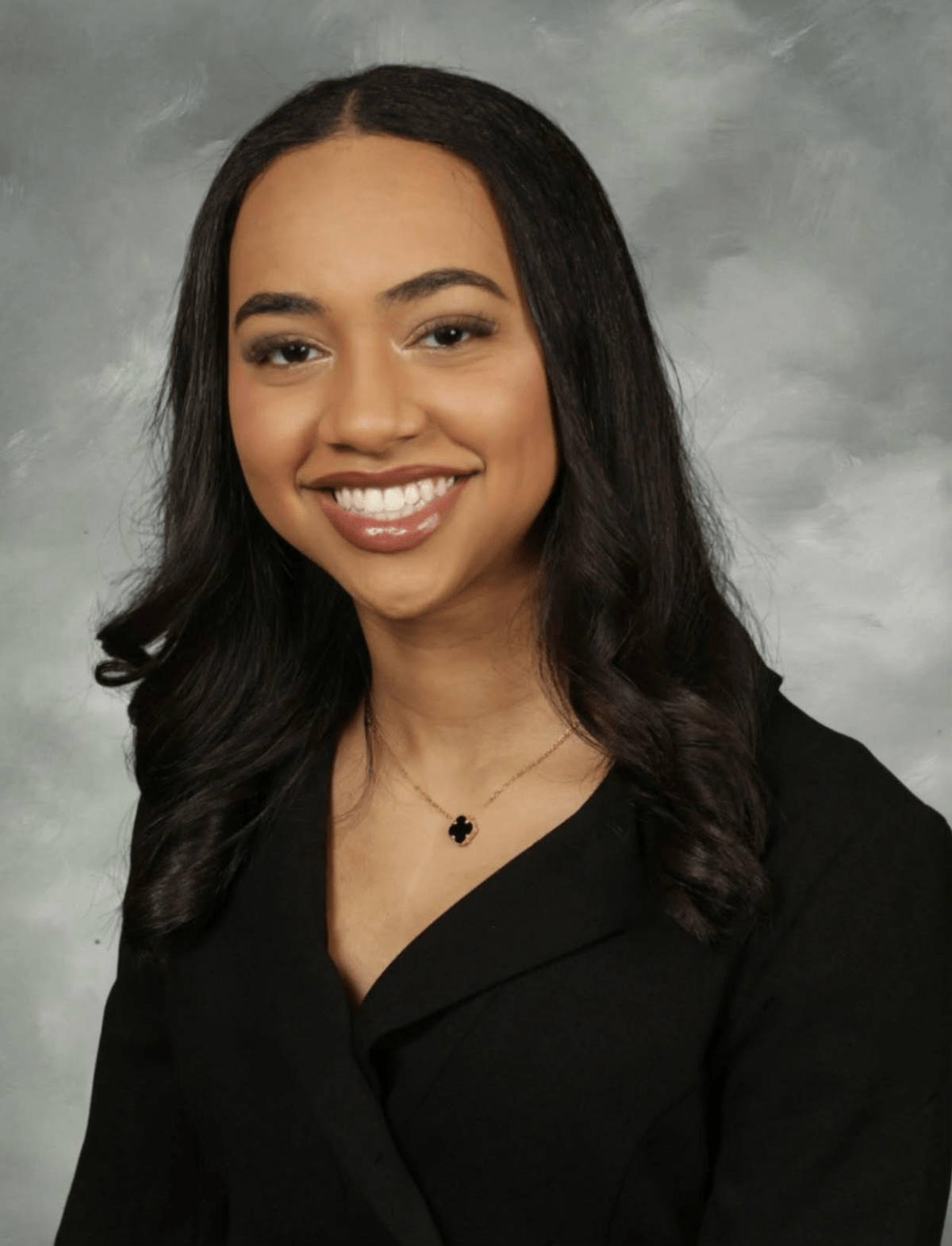
Ivelisse Martinez has a bachelor’s degree in Education from Brooklyn College and is currently pursuing a master’s degree in TESOL at Touro University. She is passionate about empowering young learners, particularly those learning English as a second language. Inspired by her own teachers as a child, she sees a reflection of herself in many of her students, understanding firsthand the challenges and joys of learning a new language. As a former ELL, her goal is to inspire and support the next generation of learners on their educational journey.
Teaching is a way of giving back the inspiration and support you once received, guiding others to see their potential and know that every challenge is a stepping stone toward success.
Ivelisse Martinez, Touro University TESOL Candidate
Goethe wrote “Der Zauberlehrling” (The Sorcerer’s Apprentice) in 1797, long before AI concepts emerged. The ballad, like this author’s prior article for Stankevicus on Autonomous AI Agents – The Kraken Wakes? explores themes of human hubris and the challenges of controlling powerful forces, providing an analogy for exploring humanity’s relationship with tools and forces that exceed our understanding or control.
New York is a state that speaks many languages. We need teachers who can find the common ground.
The MS in Teaching English to Speakers of Other Languages (TESOL) Program helps NYS-certified PreK-12 teachers more effectively teach and communicate with a diverse student population.
Academically rigorous and practice-intensive, the 33-credit program includes 5-15 hours of fieldwork embedded in each course
Hamida Abdalla is 22 and holds a bachelor’s degree in Childhood Education. She is pursuing a master’s degree in TESOL to help students develop their English language skills. Her goal is to create a supportive and accessible learning atmosphere that assists English language learners in improving their English language abilities, ensuring that every student can communicate effectively and achieve academic success.
Although this is only my first semester at Touro, I have gained valuable expertise to foster an inclusive learning environment where all students, regardless of their proficiency level, can thrive and reach their full potential.
Hamida Abdalla, Touro University, TESOL Candidate
Ms. Abdalla submitted an exemplary and rich Field Experience for EDDN 635: Curriculum Development and Classroom Management in the Technology Era which required that”Candidates will engage in a dual observational role: in the classroom with English Language Learners (ELLs) or bilingual students, they will examine how educators integrate technology to enhance language instruction and manage a diverse classroom; in the school library, they will observe the role of technology in supporting literacy skills among linguistically diverse students.”
This field experience assignment is AI-proof because it demands direct personal observation and critical analysis of real-world classroom dynamics and personal interactions that cannot be fabricated by AI systems. The requirement for candidates to simultaneously examine classroom technology integration for ELL students and library-based literacy support creates a complex, interconnected observational task requiring authentic human presence and professional judgment. The rich, contextual details that emerge from observing how educators and librarians support linguistically diverse students through technology cannot be convincingly generated by AI, as these observations must draw from genuine human experiences, professional educational insights, and a nuanced understanding of how different learning environments complement each other.
I am pleased to announce that my latest publication Agentic AI Nexus: When Machines Decide was featured by Horasis.
Artificial Intelligence (AI) is redefining how organizations approach automation and decision-making. While traditional AI focuses on supporting specific tasks, two groundbreaking approaches – Agentic AI and Retrieval-Augmented Generation (RAG) are pushing the boundaries of autonomous operation.
I am pleased to share my latest article for Stankevicius where I explore:
Introduction: Knowledge, Power, and Ambition
“Who overcomes/By force, hath overcome but half his foe.” John Milton, Paradise Lost , 1667, Book I, lines 648–649.
In the shadow of swirling lawsuits and heated debates over artificial intelligence (AI), the modern world seems to echo the tempest of Milton’s Paradise Lost, where the eternal struggle over knowledge, power, and ambition unfolds with unrelenting force. OpenAI’s evolution from a nonprofit research laboratory into a dominant market force raises questions familiar to Milton’s readers: What happens when the pursuit of knowledge transforms its seekers?
Understanding the complexity of syntax in children’s texts is essential for TESOL educators, as it unbundles the cognitive load multilingual learners face when decoding seemingly simple sentences. The infographic Encountering Complexity: Syntax Analysis in The Very Hungry Caterpillar is designed to help educators appreciate the intricate linguistic demands embedded in a classic children’s text.
By analyzing the sentence, “One Sunday morning the warm sun came up and – pop! – out of the egg came a tiny and very hungry caterpillar,” this infographic unpacks the nuanced interplay of grammatical components that may challenge multilingual learners (MLs). My analysis underscores the sophistication hidden within children’s literature and its implications for language acquisition. I wanted to highlight the layered complexity of the sentence through a detailed syntactic breakdown.
Section 1 categorizes elements like adverbial phrases, noun phrases, and verb phrases, explaining their functions and interactions.
Section 2 visualizes the sentence’s structure using a “Sentence Tree,” mapping two interconnected clauses to reveal how they contribute to the sentence’s flow and meaning.
Section 3 offers a granular analysis of each phrase, employing color-coding to differentiate grammatical categories such as determiners, adjectives, nouns, and verbs. These insights allow teachers to see how even a brief sentence integrates multiple linguistic elements, requiring learners to simultaneously process temporal, spatial, and descriptive details.
Syntax analysis is critical for TESOL educators, as it emphasizes the cognitive demands placed on MLs when engaging with texts. For MLs, processing a sentence like this involves not only vocabulary comprehension but also navigating complex syntactic relationships, such as interjections, modifiers, and clause coordination. By recognizing the intricacies in children’s literature, TESOL teachers can better scaffold learning experiences, create targeted interventions, and develop strategies to reduce cognitive overload while fostering language development. My infographic serves as a reflective tool for my students at Touro University to approach children’s texts with a deeper awareness of the linguistic challenges faced by MLs.
Teaching English to Speakers of Other Languages (TESOL) [MS] We offer a Master of Science in TESOL appropriate for NYS-certified PreK-12 teachers interested in expanding their teaching fields to ESL or strengthening their capacities to serve a diverse student body. Evening, Sunday, and online courses are available.
Teaching English to Speakers of Other Languages
New York is a state that speaks many languages. We need teachers who can find the common ground.
The MS in Teaching English to Speakers of Other Languages (TESOL) Program helps NYS-certified PreK-12 teachers more effectively teach and communicate with a diverse student population.
Academically rigorous and practice-intensive, the 33-credit program includes 5-15 hours of fieldwork embedded in each course and at least 10 days or 50 hours of supervised student teaching experience. Candidates that complete all coursework, fieldwork, and student teaching requirements are eligible for recommendation for ESL certification.
Ivelisse Martinez holds a bachelor’s degree in Education from Brooklyn College and is currently pursuing a master’s degree in TESOL at Touro University. She is passionate about empowering young learners, particularly those learning English as a second language. Inspired by her own teachers as a child, she sees a reflection of herself in many of her students, understanding firsthand the challenges and joys of learning a new language. As a former ELL, her goal is to inspire and support the next generation of learners on their educational journey.
So far I have been able to observe in both an ENL pullout classroom and ENL push-in periods. I notice the difference between the teacher when she has access to her materials and room versus a push-in period where the room is shared with the classroom teacher.The teacher has to use various tools depending on the setting but one tool that stays consistent for instance is the use of the pocket talk. The pocket talk device allows the teacher to translate in real time, two way translation and access to 84 plus languages all in one small device. (Here is the link to the device Pocket Talk).”
“Teaching is a way of giving back the inspiration and support you once received, guiding others to see their potential and know that every challenge is a stepping stone toward success.
Ivelisse Martinez, Touro University TESOL Candidate










 Dr. J's Education Blog