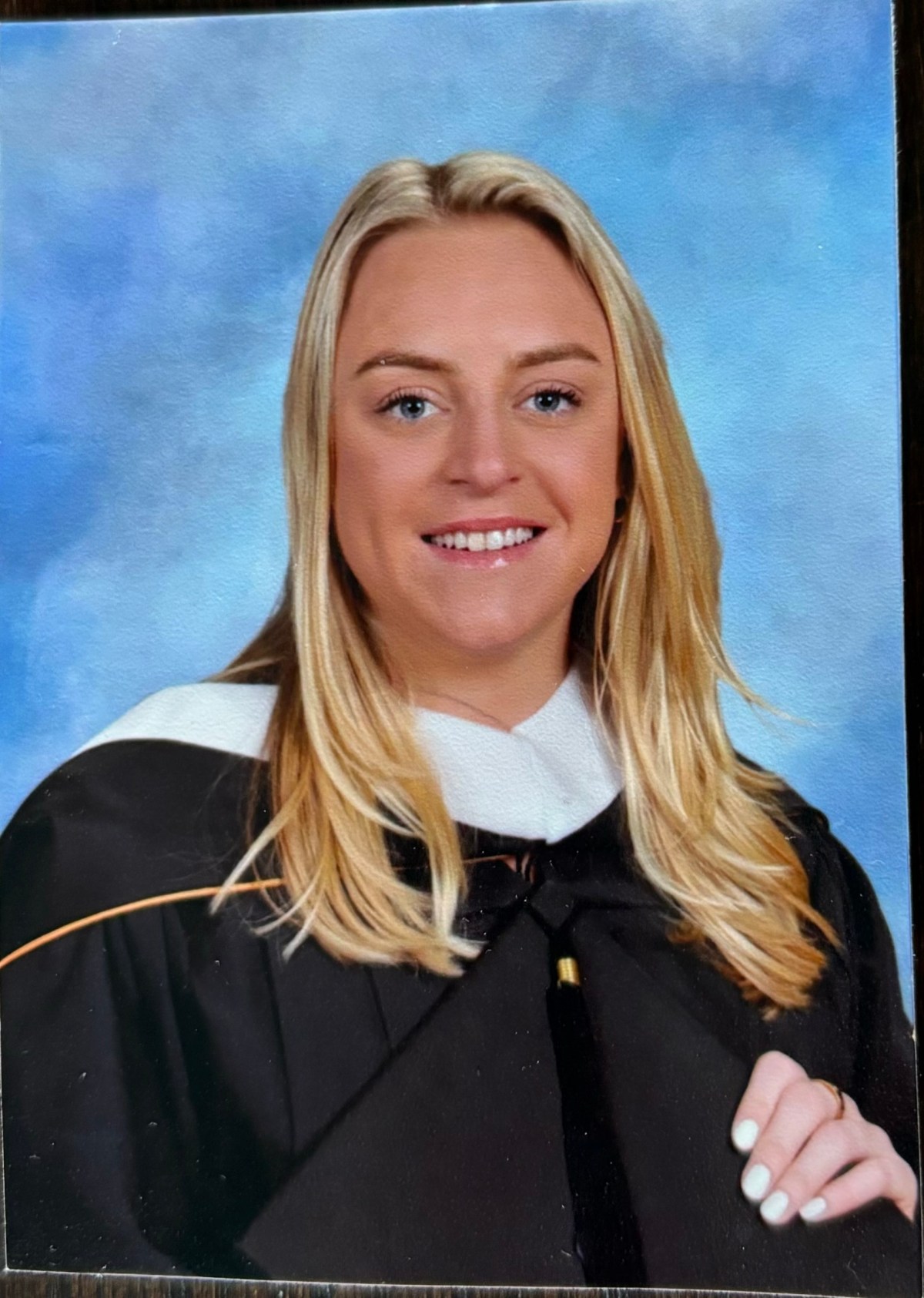
Dr. Jasmin (Bey) Cowin, an Associate Professor at Touro University, received the 2024 Touro University CETL Faculty Fellowship for Excellence in Teaching and the Rockefeller Institute of Government awarded her the prestigious Richard P. Nathan Public Policy Fellowship (2024-2025). As a Fulbright Scholar and SIT Graduate, she was selected to be a U.S. Department of State English Language Specialist. Her expertise in AI in education is underscored by her role as an AI trainer and former Education Policy Fellow (EPFP™) at Columbia University's Teachers College. As a columnist for Stankevicius, she explores Nicomachean Ethics at the intersection of AI and education. She has contributed to initiatives like Computers for Schools Burundi, served as a resource specialist for Amity University in Uttar Pradesh, India, and participated in TESOL "Train the Trainer" programs in Yemen and Morocco. Her research interests include simulations and metaverse for educators-in-training, AI applications in education and language acquisition and teaching, and distributed ledger technologies, with a focus on her 'Education for 2060' theme.
In conclusion, my commitment extends beyond transactional interactions, focusing instead on utilizing my skills and privileges to make a positive, enduring impact on the world.
Dr. Jasmin Cowin, Ed.D. Touro University, Graduate School of Education, U.S. Department of State English Language Specialist
Introduction
“Everything that I invent, everything that I imagine, will always fall short of the truth, because there will come a time when the creations of science will outstrip those of the imagination.”
Jules Verne in a letter to Charles Lemire
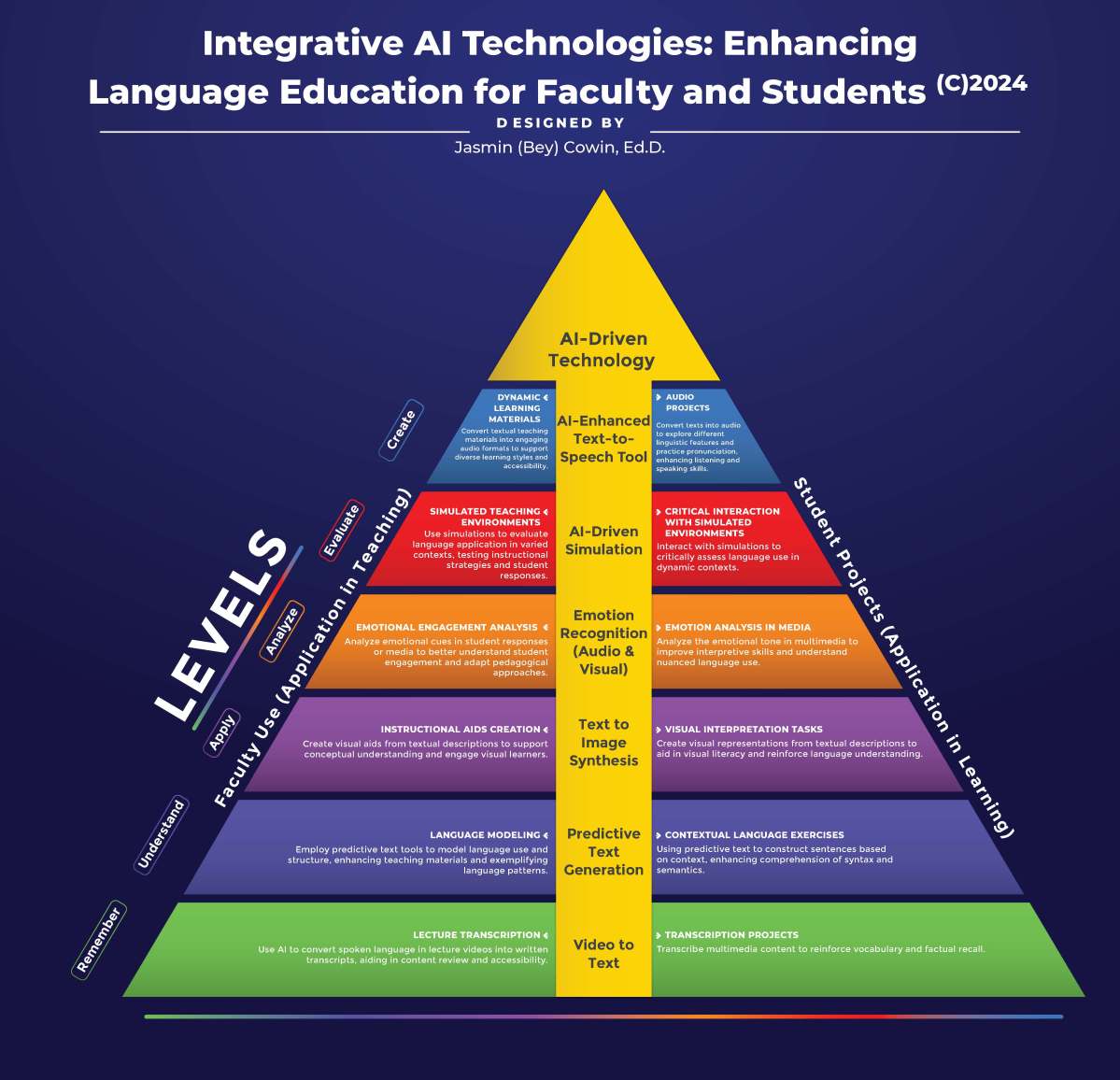
“Everything that I invent, everything that I imagine, will always fall short of the truth, because there will come a time when the creations of science will outstrip those of the imagination.” This reflection from Jules Verne in a letter to Charles Lemire resonates profoundly as we envision the classroom of 2060. It compels us to question: Are we moving toward an educational paradigm where AI not only supports but enhances the human endeavor of teaching? Or could we be inadvertently paving the way for a future where human educators are obsolete, and homogenized AI dictates the nuances of our languages and thinking?
Read my article! Cowin, Jasmin (Touro GSE), Cowin, J. (2024, August 22). Pioneering practices: AI innovations and challenges. On Call, TESOL International Association. https://my.tesol.org/news/996645
Touro University Graduate School of Education I am thrilled to speak as a keynote for The 54th New York State TESOL (Teachers of English to Speakers of Other Languages) Annual Conference 2024. My topic: “Cultivating Situational Awareness: Adaptive Strategies for TESOL Educators in the Age of AI” is relevant to this year’s conference theme: “Pathways to Empowerment: Navigating Agency and Affirmation through TESOL.” Thank you to the conference team Ali Safivand, PhD., Michele Goldin, Shawnna Sweet, Olga DeJesus-Diaz, and the many volunteers who make this conference possible.
– Date of presentation: Saturday, October 19, 2024
If you’re already certified to teach, we offer specialized Master’s and Advanced Certificate programs that can help make you a more marketable, knowledgeable, and well-rounded educator. Our advanced certificates lead to NYSED certification in specialized areas and an extension/annotation on your NYS teaching credentials.
Pursuing a specialized Masters or Advanced Certificate is an ideal—and affordable—way for experienced teachers and educational personnel to strengthen their expertise in a specific area. Upon successful completion, you’ll be eligible for an extension/annotation on your New York State teaching credentials, and your earned credits can apply to an additional salary differential.
Teaching English to Speakers of Other Languages (TESOL) [MS] We offer a Master of Science in TESOL appropriate for NYS-certified PreK-12 teachers interested in expanding their teaching fields to ESL or strengthening their capacities to serve a diverse student body. Evening, Sunday, and online courses are available. New York’s classrooms are some of the most culturally and linguistically diverse in the country. Our TESOL certificate program prepares NYS-certified teachers to provide responsive, comprehensive education to students of every background.
Zeynep Yildirim: As a dedicated general education teacher, she is passionate about fostering an inclusive classroom where all students can thrive. She is currently expanding her expertise in TESOL to better support English Language Learners and enhance their educational experience. Her goal is to integrate this specialized knowledge into her teaching practice to ensure every student has the opportunity to succeed.
I am delighted to showcase Ms. Yildirim’s outstanding work from summer 2024.
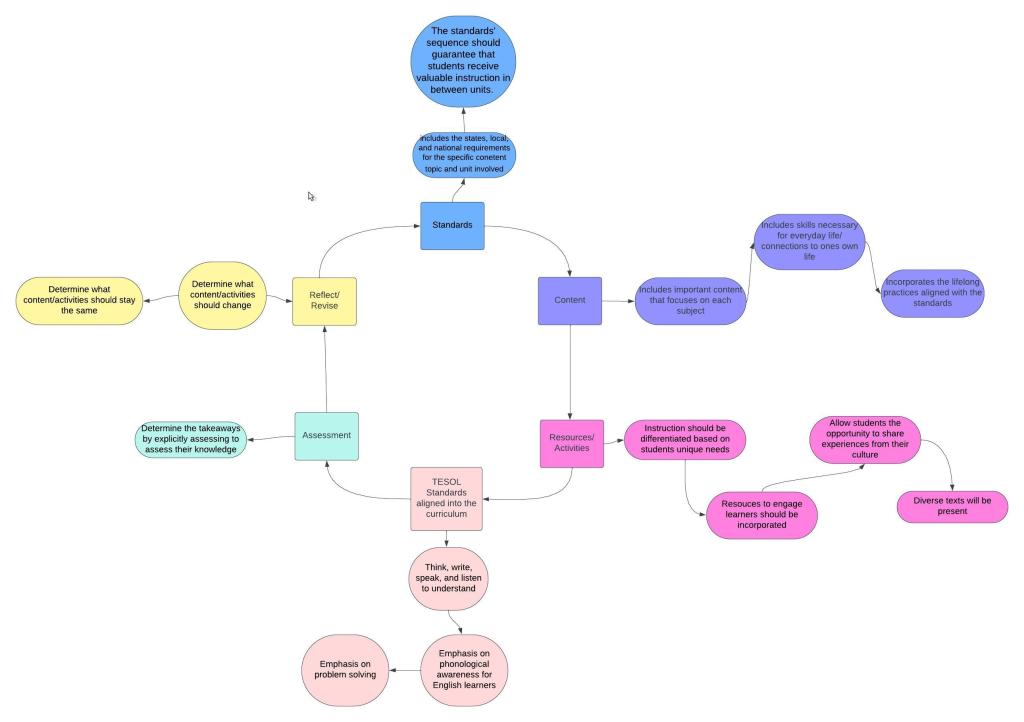
This comprehensive course builds upon the foundation of curriculum development and classroom management in the context of teaching English language learners. Expanding its horizons to embrace the digital age, the course adeptly weaves innovative technology integration into the domain of Teaching English to Speakers of Other Languages (TESOL). Crafted to empower prospective TESOL/BLE educators, the course hones in on fostering competence in designing, implementing, assessing, and reflecting within diverse language learning environments, all while capitalizing on the potential of cutting-edge technology. With a strong focus on practical application and discerning appraisal of technological tools, this course primes upcoming educators to excel amidst the ever-evolving educational landscape. Includes 10 hours of fieldwork.
Touro University TESOL Candidate Lauren Martin: She is a first-grade teacher. She graduated from St. Joseph’s University-Brooklyn in 2023 with a Bachelor of Science in early childhood and childhood education in both general and special education. In September of 2023, she began teaching her first teaching job in a first-grade classroom. This is her first semester working towards her master’s degree in Teaching English to Speakers of Other Languages (TESOL). As a first-year teacher, she was inspired by her colleagues as to how they guide their ELL students. This helped her decide on what to receive her master’s degree in and made it an easy choice as she knew that this was what she was passionate about. Her journey at Touro has just begun, but she can’t wait to learn all of the ways to support her ELL students on their academic path. Her favorite quote: ‘Far and away the best prize that life offers is the chance to work hard at work worth doing.’ —Theodore Roosevelt
I am proud to feature Touro University TESOL Candidate Lauren Martin’s Learning About the World
Teaching English to Speakers of Other Languages at Touro University New York is a state that speaks many languages. We need teachers who can find the common ground. The MS in Teaching English to Speakers of Other Languages (TESOL) Program at Touro University helps NYS-certified PreK-12 teachers more effectively teach and communicate with a diverse student population.
I was particularly impressed and am delighted to share the work of Albania Ramos. Her attention to detail and thorough engagement with the course materials truly stood out to me. She effectively connected theoretical concepts with practical examples, showcasing deep understanding and critical thinking. It’s always rewarding to see such dedication and depth in a student’s work. Especially her Spanish-English worksheet shows her support for her bilingual students in this Differentiated Instructional Activity Assignment with a focus on assessment submission.
Albania Ramos, originally from the Dominican Republic, has dedicated her career to teaching English Language Learners after relocating to Long Island at a young age. With certifications in secondary education, English language arts, Spanish, bilingual education in place, she continues to work towards her English for New Learners. degree at Touro, Driven by her parents’ immigrant journey and inspired by her role as a mother, Albania is committed to creating an inclusive, supportive classroom that fosters academic growth, cultural appreciation, and social-emotional development for all her students.
“The essential learning experiences in the TESOL online program are invaluable, as they equip me with the tools and understanding needed to empower diverse learners and create inclusive classrooms.”
Students will become acquainted with and practice effective approaches, methods, and strategies for teaching and evaluating English language learners in the content areas (ELA, social studies, math and science). Throughout the course, students will explore the impact of culture and language on classroom learning. Special challenges in teaching and assessment in each content area will also be discussed. Includes 15 hours of fieldwork.
Ms. Sessa submitted an exemplary paper on Differentiated Assessment Using Authentic Student Products with Emphasis on The Practices and Principles of Differentiation
Assignment Objectives:
Understand and integrate principles of differentiation into assessment techniques.
Modify existing lesson plans to incorporate differentiated assessments using authentic student products.
Integrate and discuss anonymized student products, focusing on differentiating assessment based on readiness, interest, and learning profile.
Reflect on the practices and principles of differentiation and its impact on multilingual learners.
Bio:
Ms. Mia Sessa is an entry-level elementary special education teacher that is passionate about working with students with disabilities and multi-lingual learners! Ms. Sessa is currently a Third Grade Priority Substitute on Long Island, New York. This is her first semester as a graduate student in the TESOL program at Touro University, and she is extremely excited to continue to learn and grow as an educator and individual at Touro! Ms. Sessa’s favorite quote: “When planning programs and instruction for English learners, we sometimes focus solely on what they are not yet proficient in and fail to consider the assets they bring to school.” – MaryEllen Vogt, Jana Echevarria, and Deborah J. Short
This comprehensive course builds upon the foundation of curriculum development and classroom management in the context of teaching English language learners. Expanding its horizons to embrace the digital age, the course adeptly weaves innovative technology integration into the domain of Teaching English to Speakers of Other Languages (TESOL). Crafted to empower prospective TESOL/BLE educators, the course hones in on fostering competence in designing, implementing, assessing, and reflecting within diverse language learning environments, all while capitalizing on the potential of cutting-edge technology. With a strong focus on practical application and discerning appraisal of technological tools, this course primes upcoming educators to excel amidst the ever-evolving educational landscape. Includes 10 hours of fieldwork.
Kenia Torres is a Bilingual Kindergarten teacher in the Brentwood Union Free School District. She received her Bachelor’s Degree in Child Studies with a concentration in Speech Communication from Saint Joseph’s University, a Bilingual Extension from Touro University, and is currently enrolled in a TESOL program at Touro University. Kenia is passionate about developing a classroom community that allows all children to achieve their academic and personal goals. In the future, she would like to pursue an educational leadership role to empower educators and students to catalyze school success. A quote that reflects Kenia’s vision of the educational field is: “Tell me and I forget, teach me and I remember, involve me and I learn.”- Benjamin Franklin
The assignment for EDDN 635 Curriculum Development and Classroom Management in the Technology Era was: To curate a list of technology tools that not only aid in instructional strategies and curriculum development but also facilitate community outreach and engagement.
Introduction: Briefly discuss the importance of integrating technology in education and its possible role in using it for community engagement.
Selection of Technology Tools: Choose 9 technology tools, ensuring a mix that includes tools for both educational purposes and community outreach. These tools could range from educational platforms and apps to communication and social media tools.
Tool Descriptions: Provide a concise description of each tool, highlighting its key features and the URL. Explain how each tool can be used in an educational context and for community engagement.
Practical Applications: Illustrate practical examples of how these tools can be integrated into teaching, curriculum design, and/or community outreach initiatives. Examples could include using social media for parent-teacher communication, blogs for student projects showcased to the community, or collaborative platforms for community-based projects.
Reflection and Analysis: Reflect on the potential impact of these tools on enhancing educational experiences and community relations. Analyze any challenges or limitations in implementing these tools for both educational and outreach purposes.
Format and Submission: Choose of format of your choice – possibly a Storybook, Padlet, Flipgrid etc.
Students will become acquainted with and practice effective approaches, methods, and strategies for teaching and evaluating English language learners in the content areas (ELA, social studies, math and science). Throughout the course, students will explore the impact of culture and language on classroom learning. Special challenges in teaching and assessment in each content area will also be discussed. Includes 15 hours of fieldwork.
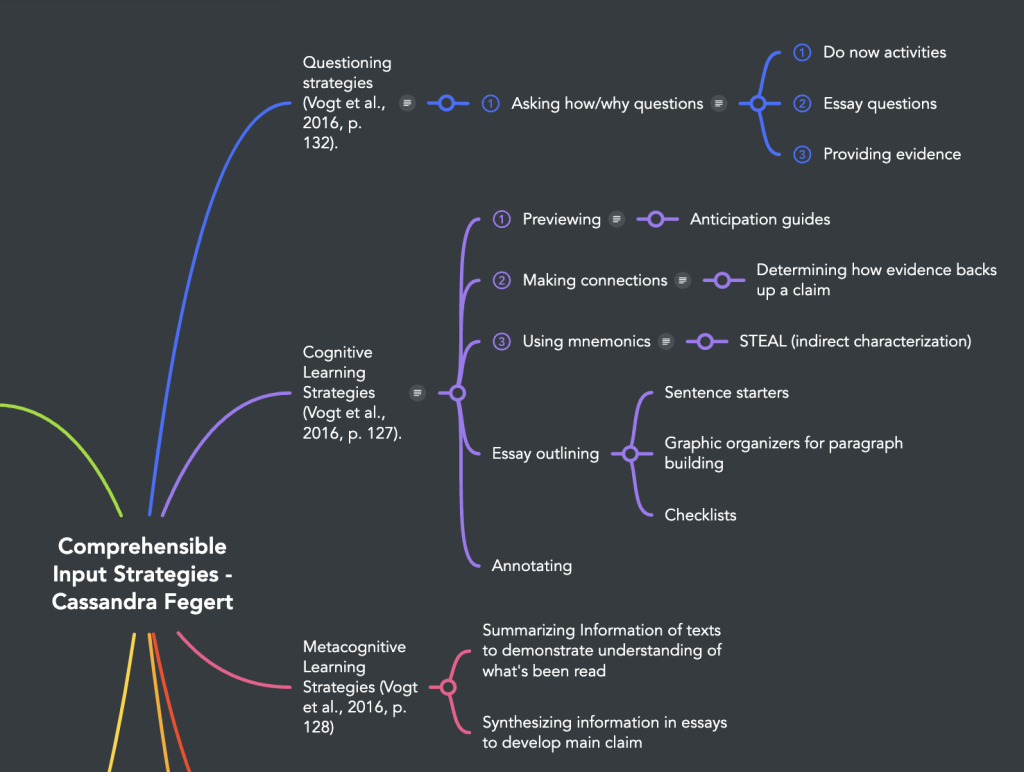
Bio: Cassandra Fegert is an English Language Arts high school teacher in Queens, New York. She is always seeking ways to underscore the importance of language and literacy while promoting student agency in her teaching. Having taught both English to native speakers and those learning English as a new language, she seeks to incorporate various ways of knowing in her classroom.
My journey at Touro has been an exciting one filled with immersive and innovative practices that enrich my pedagogical framework.
Cassandra Fegert, Touro University TESOL Candidate
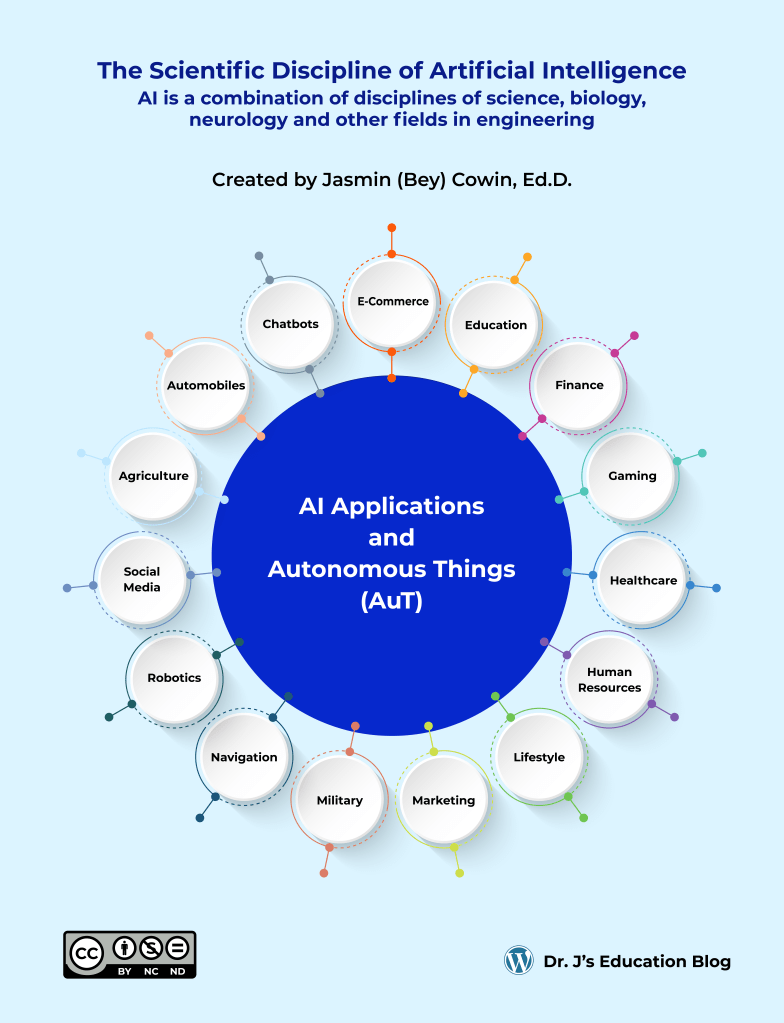
On July 12, 2024, the EU issued Regulation (EU) 2024/1689, known as the EU AI Act, marking a significant milestone as the first extensive AI regulation globally. This regulation emerged over three years after its initial draft by the EU Commission in April 2021. The AI Act establishes a broad, sector-independent regulatory framework designed to set the standard for AI governance within the EU. This framework is expected to influence both local and global companies and global legislative approaches. Importantly, the AI Act’s scope extends beyond the EU; it applies to entities worldwide that might not be physically present in any EU member state but engage with the EU market. This represents the culmination of a lengthy legislative process, with the Act set to be enforced starting on August 2, 2024. Higher Education Institutions (HEIs) should familiarize themselves with the implications of this regulation, understand their responsibilities, and prepare for compliance by the designated date. This series of blogs exclusively written for Stankevicius by the author aims to highlight the critical aspects of the AI Act that HEI organizations need to grasp to ensure they are ready for the upcoming regulatory changes, specifying important deadlines for meeting these new requirements.
Click on the link below to read the complete article.







 Dr. J's Education Blog