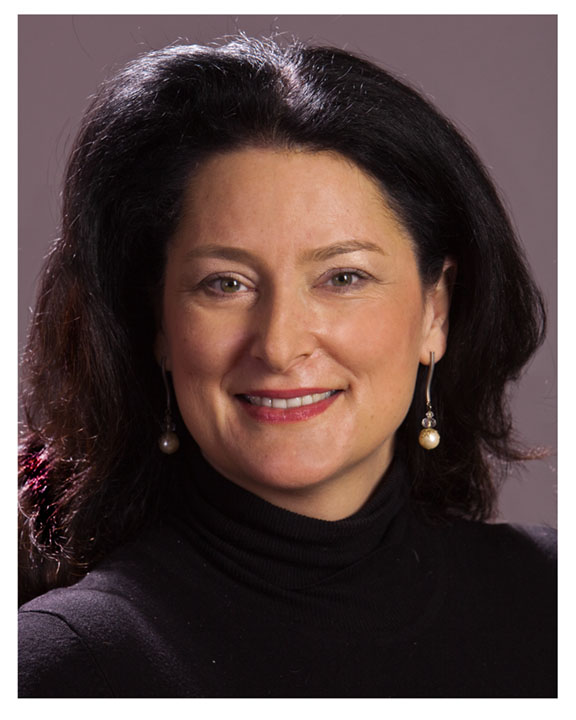
Touro Candidate Noelia Feliz, M.A.: Bilingual Pupil Personnel Services Digital Portfolio Project

The purpose of creating and maintaining an electronic portfolio is for Touro Bilingual Pupil Personnel Services candidates to reflect on the course of study at Touro College, Graduate School of Education, New York.

Digital Portfolio Project Purpose: The purpose of creating and maintaining an electronic portfolio is for Touro Bilingual Pupil Personnel Services candidates to reflect on the course of study at Touro College, Graduate School of Education, New York. The portfolio should include a statement of the candidates’ goals, philosophy of providing services to traditionally underserved populations, case studies, behavior interventions, culturally appropriate assessments,  and files that showcase the candidates’ best work. The work selected by the Bilingual Pupil Personnel Services candidates for the electronic portfolio should be organized and reflected upon.

Artifacts: The electronic portfolio shows examples of different kinds of work such as PowerPoint presentations, Excel files, photograph examples, and Word documents.

Touro Candidate Noelia Feliz, M.A.: Bilingual Pupil Personnel Services Digital Portfolio Project

Touro TESOL Candidate Michael Kollmer’s Materials Critique for EDDN 673 Methods and Materials for Teaching English as a Second Language

This assignment focuses on Touro TESOL candidates enrolled in Methods and Materials for Teaching English as a Second Language to make well-informed decisions of ELL materials that feature equity, enrichment, engagement, and empowerment. 

This assignment focuses on Touro TESOL candidates enrolled in Methods and Materials for Teaching English as a Second Language to make well-informed decisions of ELL materials that feature equity, enrichment, engagement, and empowerment. 

Michael Kollmer received his bachelor’s degree at SUNY Cortland in Physical Education. He is currently enrolled as a graduate student at the TESOL and Bilingual PRogram at Touro College to pursue his Masters in TESOL. “This is my first year working as a physical education teacher in an elementary school and I plan on taking what I learn at Touro and applying my knowledge into my lessons to ensure all of my students have the greatest opportunity to learn.”

Students background:

For the purpose of this assignment, I chose a group of five ELL students to focus on. The five students attend the Mount Sinai School District. The five student’s native language is Spanish. Three of the ELLs are on level 3, transitioning, and the other two ELLs are on level 4, expanding. All five students are in the fourth grade. The three ELLs on the transitioning level receive both push-in and pull out services, while the two ELLs on the expanding level just receive push-in services. All five ELLs are able to communicate with their peers in English. The five ELLs communicate with each other in both English and Spanish. All five students were born here in the United States and all speak just Spanish at home. Their goals are to become better immersed in the English language and to be able to function in the classroom with less assistance from the ENL teacher. I have all five students in my gym class and when observing them in a more relaxed environment, they are very outgoing with their peers and always want to help demonstrate the rules of the games being played. While observing them in the classroom, it was like I was seeing totally different students. They are shyer and tend not to participate in discussions unless they are called upon to share. Their affective filter is much lower in the gym where the environment is more relaxed whereas their affective filter is much higher in the classroom where their English skills are put on the spot in front of their peers and teachers. They prefer group work where all five are in the same group and tend to use their L1 when the teacher is not listening. All five students are performing at grade level. They utilize the use of guided notes, graphic organizers, and sentence starters to enhance their writing organization, skills, and comprehension. They also use visual aids around the classroom to help with comprehension during content lessons. All five students have excellent BICS skills and can communicate with their teachers and peers with ease. The students are working on their CALPS and need assistance with new vocabulary in content areas. The ENL teacher pushes in during the social studies and science block during the day. The teacher pulls all five students to a back table to work together during these content-area lessons. The two students at the expanding level are stronger in reading and speaking in their L2, while the three students at the transitioning level are stronger in listening and reading in their L2.

“Neema’s Reason to Smile” by Patricia Newman

Neemas

The book I chose was recommended to me by an ENL student’s fourth-grade teacher. The book is called “Neema’s Reason to Smile” by Patricia Newman. This book is about a young Kenyan girl named Neema who dreams of one day being able to afford to go to school. Throughout the book, Neema and her mother come up with a plan to save money and make Neema’s dream come true. Eventually, Neema goes to school in a red skirt and white shirt and dreams of all the occupations she could have.

With this book, I created a lesson with the objective:

Students will be able to compare and contrast the daily tasks of school in another country to the daily task of school here in Mount Sinai.

In groups, students will pick a country to focus on and research what school is like for students in that country. A list of countries will be provided to the students. To do the research, students can use the school library to check out books, the geography section of the classroom library, or use Myon or Epic! on their Chromebooks to find books about their country of choice. To start this lesson, I will first read the whole class text, “Neema’s Reason to Smile”. Next, I will model how to record the important information, what school was like for Neema in Kenya, on a graphic organizer. The graphic organizer will be on chart paper and left up for the remainder of the project for students to look back at during their independent research work. Students will need to use the skill of recording important information when they are researching and recording their own information within their groups. After the “I do” portion of the mini-lesson, as a class, we will fill out the “we do” portion. This consists of filling out a second graphic organizer as a class on what school is like for us here in Mount Sinai. The students will help me fill out the class graphic organizer, as well as filling in their own graphic organizer. This graphic organizer will be part of the student’s final project since they all attend the same school, in the same class. Next is the “you do” portion of the lesson. This is when the students will break off into the teacher assigned groups to research their country of choice and find out how school is similar and different from their own school day. Each group will have a mix of ELLs and non-ELLs.

This lesson will be student-driven with me as the facilitator. Within the gym, I have noticed that most, if not all, students enjoy student-driven lessons. They have more responsibilities and are in charge of their own learning. They get out of the lesson what they put into it. With this being said, I feel like the students would also enjoy being in charge of their own learning within a classroom setting. By being a facilitator in this lesson, the students will look to me for support and guidance when needed. While students are working in their groups conducting their research, I will be walking around the classroom monitoring for progress. If I come across a group that seems to be struggling, I will pull that group aside and conference with them. If groups are struggling with recording important information about schools in a different country, I will refer back to the mini-lesson and the whole class text to help the students out.

The techniques being utilized in the lesson advocate for achieving the state’s objectives most effectively. This is because students are being supported and guided through their learning with the “I do, we do, you do” model and with me being the facilitator. The students will be working on the state standard of compare and contrast schools in another country to school in their own country. They will be supplied with texts that have visuals, as well as it is similar to their own lives when applicable.  During the “I do” part of the lesson, students are shown and taught the important skills they will use when it is time for them to research their own country. The students will also be prompted and provided materials that will help them succeed during this lesson. These materials include graphic organizers, teacher conferences, materials in the classroom library, materials in the school library, materials on student Chromebooks, and the help of student’s peers. With the students being in charge of their own learning, this will help with student engagement in the lesson. With me being in the facilitator role, the students will have more independence throughout the lesson and will then have to advocate for themselves and their group.

The techniques being utilized during this lesson is appropriate for all types of learners. The lesson will be modeled using the “I do, you do, we do” method with checks for understanding and appropriate wait time for all students. The materials and graphic organizers will be left up in the front of the classroom along with the whole class text for the students to refer back to. Also, graphic organizers can be easily adapted to fit the needs of my ELLs. I will provide them with a copy of the class graphic organizer, and I will also provide them with a graphic organizer specific to the country they choose to research. The ELLs will be provided with guided notes and sentence starters, along with vocabulary cards with pictures of the words and the words in their native language. This method is appropriate to the situation in the classroom because these students enjoy working in groups and enjoy the responsibility being placed on them. With the students working in groups, this allows me to be in the facilitator role and check-in with students when needed to monitor their progress.

Key Vocabulary:

            Different, Similar, Country, Savanna, Mango, Government School

TESOL Standard:

Key Ideas and Details

Standard 2: Determine central ideas or themes of a text and analyze their development; summarize the key supporting details and ideas.

Text Types and Purposes

Standard 2: Write informative/explanatory texts to examine and convey complex ideas and information clearly and accurately through the effective selection, organization, and analysis of content.

Bloom’s Knowledge Matrix

Michael Blooms

Touro College features: Candidate Carmen Montoya’s Digital Portfolio TESOL Website

Practicum Assignment:

Digital Portfolio Project Purpose: The purpose of creating and maintaining an electronic portfolio is for teacher candidates to reflect on the course of study at Touro College. The portfolio should include a statement of the teacher candidates’ goals, philosophy of education, and files that showcase the candidate’s best work. The work selected by the student for the electronic portfolio should be organized and reflected upon.

Artifacts: The electronic portfolio shows examples of different kinds of work such as PowerPoint presentations, Excel files, photograph examples, and Word documents. Be creative: You can showcase anchor charts, word walls, student work (without identifying names), assignments you created, papers you wrote during your course of study, etc.  Each example is accompanied by a short reflection composed by the teacher candidate.

Carmen Montoya is a career changer, who holds a Masters of Science degree, as well as an Initial Certification in Childhood Education and Special Education, Grades 1-6 from the Touro Graduate School of Education. “I am currently pursuing a TESOL Advanced Certificate for grades K-12 at Touro, due to be completed by the fall of 2020. I have spent the past four years working with grades K – 8 in various capacities that have allowed me to serve this student population within instructional, sports, arts, and literacy programs at different times. This phenomenal experience has further reinforced my passion for cultivating academic excellence and character growth among my students, as well as strong interpersonal skills with administration and fellow staff members. I hope to teach for some time, working with students at the grade and middle school levels, and with the adult population in the future. My varied interests are writing children’s fiction, art, history, science, traveling, dance, and music.”

Website: Carmen Montoya for Practicum 680, Touro College, TESOL and Bilingual Department


Touro College, GSE Candidate Edelin Mateo’s Website: The Bilingual School Psychologist M.A., NCSP

The Digital Portfolio Project Purpose: The purpose of creating and maintaining an electronic portfolio is for Touro GSE BILINGUAL PUPIL PERSONNEL SERVICES – PSGN 698 candidates to reflect on the course of study at Touro College.

Edelin Mateo’s Website includes a wealth of information for The Bilingual School Psychologist showcasing her outstanding work in her field.

Please visit our Candidates website for resources:

Touro College, GSE Candidate Edelin Mateo’s Website: The Bilingual School Psychologist M.A., NCSP

Touro TESOL Candidate Carmen Montoya’s Method Presentation for 201970-EDPN-673-0-WW-OL-11704

Adjusting to COVID19: Flexibility, strength, and resilience at the Touro TESOL and Bilingual Department. I think of resilience as having both strength and flexibility, which allows one to adapt to change without catastrophizing about the unique circumstances. My TESOL and Bilingual teacher candidates rose to the challenge!

by Jasmin Cowin, Assistant Professor and Practicum Coordinator, Touro College, GSE

Adjusting to COVID19: Flexibility, strength, and resilience at the Touro TESOL and Bilingual Department. I think of resilience as having both strength and flexibility, which allows one to adapt to change without catastrophizing about the unique circumstances. My TESOL and Bilingual teacher candidates rose to the challenge!

For the Methods & Materials Teaching English as a 2nd  Language Touro TESOL candidates planed and videotaped themselves instead of delivering and in-class session,  giving a 5 to 10 min mini-lesson in a specifically designed approach to language learning found in the Richards and Rodgers text, i.e. Communicative Language Learning, Total Physical Response, etc.  They also submitted a SIOP lesson plan. Any content area could be selected to demonstrate the lesson and supplemental videos, PowerPoint, materials, and realia were used as needed.

Carmen Montoya is a career changer, who recently earned an Initial Certification in Childhood Education and Special Education, Grades 1-6, from the Touro Graduate School of Education. She is currently pursuing a TESOL Advanced Certificate for grades K-12 at Touro, due to be completed by Fall of 2020. “I hope to ultimately become an effective ESL teacher who can help and encourage students at various grade levels along their unique journeys.”

Carmen M Method PresentationMigration_Obstacles

Video of Carmen Montoya’s Method Presentation

Carmen M Method Presentation


Touro TESOL candidate Paige Herman’s Verb Tense Infographic

For ENL educators, using and creating infographics will not only develop ENL students’ visual literacy skills but also support ENL students by providing comprehensible input, make sense of and evaluate concepts through visual information.

Infographics can be used when you want to get across a big idea or make a point to learners. Concepts that are tricky for ENL learners might lend themselves well to an infographic. Or, if you have facts that are hard to learn, teachers might investigate how they might be turned into an infographic.

Why Infographics?

Educators, as well as students, need to be able to comprehend and evaluate graphical and visual information. According to Matrix and Hodson (2014), “even those students who are part of the Facebook generation, growing up participating in a highly visual online culture do not necessarily have the skills to engage critically and effectively with images and media in an academic environment.”

For ENL educators, using and creating infographics will not only develop ENL students’ visual literacy skills but also support ENL students by providing comprehensible input, make sense of and evaluate concepts through visual information.

Through the activity of designing a visual representation of complex ideas, candidates will engage with the content in a sustained manner, possibly deepening their understanding of it (Matrix & Hodson, 2014).

Paige Herman, a Long Island public school elementary educator, currently pursues her master’s degree in TESOL at Touro College, GSE. The Touro TESOL master’s degree will enable her to better serve diverse linguistic communities and offer an empowering, culturally sensitive education for all her students.

hermanpaige_38231_1994306_Verb Tense InfographicPaige Herman

My infographic discusses verb tenses, which include past, present, and future. Using my infographic students will be able to identify what is meant by an action that happened in the past, present, or future. Students will also be able to figure out how to change the base verb to accurately match the tense the sentence requires. This infographic is meant for students in second grade or older. Based on the common core standards, second-grade students should be able to form and use verbs in the past, present, and future tense, including irregular past tense verbs. This standard is built upon in third and fourth grade and is to be used with complete accuracy by fifth grade, as per the ELA language standards. For ENL students the infographic would be beneficial for those at the early intermediate – intermediate level of proficiency. At this level, students should be able to respond and communicate with others in many social settings and an increasing amount of academic situations. Verb tense is an essential part of building their ability to communicate and understand others.

I would use this to aide all my students in learning and remembering the varying verb tenses. This would be a beneficial tool during any reading, writing, grammar, or language activity. It could be hung in the classroom as a reference or students could keep personal sized ones in their desks with other helpful writing handouts. Students would be able to refer back to them any time they needed to be reminded of which tense to use or how to change the verb. For my ENL students, this would be especially useful because the way to conjugate a verb differs among each language, but verbs are an essential aspect of communicating in English. That is why it is important to teach students about verb tenses. This infographic supports that learning and acts as a colorful guide for reinforcing when to use each verb tense and how to alter the verb to make a sentence grammatically correct.

This infographic represents the three types of verb tenses: past, present, and future. It is broken into three sections that will allow these tenses to be compared to one another. Each section highlights when the tense would be used, how to change the base verb to match the tense and some examples of what the changed verb would look like in a sentence. This provides students with ample information on how and when to use each verb tense. Each of the different tenses is broken into its own section and distinguished by its own color. As you can see the past is shown in the green section, the present is shown in the red section, and the future is shown in the yellow section. The colors are bright and inviting while still allowing students to be able to quickly locate the section they need guidance with. Within each section, the tense is printed largely and clearly at the top. On the left-hand side is when the student would use this verb tense and an arrow that acts as a picture clue for when in time the verb would be used. To the right of this the student can find how to change the verb based on the tense and below that are examples. The information is clearly portrayed in each section in white, large, Helvetica font that makes it easy to read for the students. I chose the font because I felt like it was clear and did not squeeze any of the words in. I chose white font color because I wanted it to greatly contrast the colorful backgrounds so the words were easier to read.

One of the most difficult aspects of creating this infographic was figuring out what information about the topic I wanted to include. There are more details that I could have presented within each of the verb tenses, but I wanted to make the information clear and comprehensible to students. Overloading the infographic with too many words and information would make it difficult for the students to understand and utilize it. Figuring out what information to include helped me to realize how much information each “little” topic in language and language development encompasses. Prior to this, I thought of verb tense as a straightforward concept. Taking the time to delve into it you see how many variables are really involved. This is important for us to understand as teachers of students who may not have English as their first language. Another challenge I faced with the infographic was simply creating it. Once I planned and figured out the topic and content I wanted to include I had to figure out how to create it. Using the Visme website was a brand new experience for me. Luckily the website came with a quick tutorial that showed me the basics of what I would need. Other than that the majority of my familiarity came from just trying all the different tools as well as changing and moving things until I liked how they look. This took a lot of attempts, time, and effort, but I think the end product is worth it. Now that the infographic is created it is exciting to think about how I can use this in my own classroom and share it with other teachers in my building.

References

Create Interactive Online Presentations, infographics, animations & banners in HTML5 – Visme by Easy WebContent. (n.d.). Retrieved from https://www.visme.co/

National Governors Association Center for Best Practices & Council of Chief State School             Officers. (2010). Common Core State Standards for English language arts and literacy in history/social studies, science, and technical subjects. Washington, DC: Authors.

Verb Tenses. (2019, July 19). Retrieved from https://www.grammarly.com/blog/verb-tenses/


Resources from the Webinar: NYS TESOL Resources for Supporting English Learners and their Parents- Prof. Jasmin Bey Cowin, Ed.D.

Dear Participants,

I hope my post finds you well and safe.

Here the promised Zoom recording and slides Resources for Supporting English Learners and their Parents.

Zoom recording of Webinar

 Resources for Supporting English Learners and their Parents by Prof Jasmin Cowin EdD

Join an online presentation by NYS TESOL: Resources for Supporting English Learners and their Parents Thursday, March 26, 2020⋅2:00 – 3:00pm

I am inviting everyone to join a Zoom:
Webinar: NYS TESOL Resources for Supporting English Learners and their Parents
Thursday, March 262:00 – 3:00pm

NOELIA FELIZ, TOURO CANDIDATE FOR BILINGUAL PUPIL PERSONNEL SERVICES ON COUNSELING

BILINGUAL PUPIL PERSONNEL SERVICES at Touro College, Graduate School of Education is for school counselors, social workers, and psychologists, who want to work with bilingual students.

WHAT YOU’LL LEARN

Each certificate includes coursework and a practicum which emphasizes the importance of understanding cultural context for child development and learning, and for effective assessment and delivery of services. Depending on your certification focus, you might examine various theories and classroom approaches, review case studies and explore how home life and community impact youth education, or learn about dynamic assessment, how to work with various disabilities, and effectivestrategies for teaching native language literacy. In all our courses our goal is always to increase your multicultural and linguistic fluency so you can provide the best possible service and education to all students.

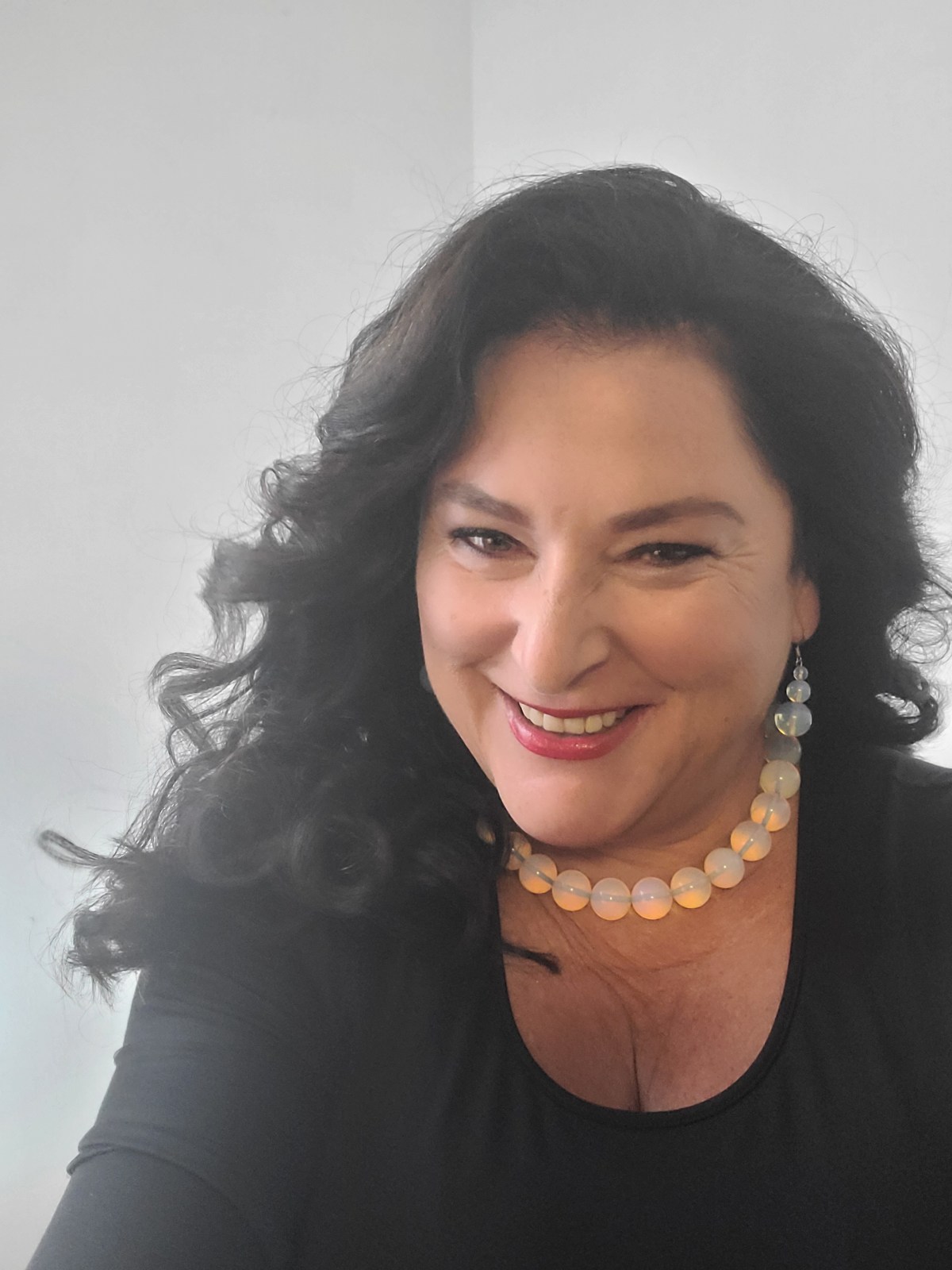
Touro Candidate Noelia Feliz is a second-generation immigrant of Hispanic descent. As a school psychologist for Yonkers Public Schools, she proudly serves underprivileged communities and families by aiding them in receiving and obtaining the best service possible. Noelia is currently working towards her bilingual extension at Touro College because she wants to be able to work with a broader population and serve as an advocate and voice for families who are often underserved.

Counseling Case – a Practicum Assignment for PSGN 698 Field Experiences in Bilingual Pupil Personnel Services

Referral Question:

  • Pupil Support Team (PST) received a referral for a bilingual student (English & Spanish) with declining grades, appearing very lethargic in class, and was disengaging from social activity. It was later noted, by teacher, that the student’s parent had made contact with the teacher at the instructor’s residence to discuss concerns of aggressive and reclusive behavior.

Background and Context:

Student is a 14-year-old, Hispanic male born in The Bronx, NY and moved to Yonkers at 8 years old. He currently resides with his mother, father, and younger sister. Student and his family moved to a new home in Yonkers this year which the student describes as being “too big” and feels “bigger homes separate families”. Student expresses that he speaks in Spanish with both his parents and family members from El Salvador but feels more comfortable expressing himself in English. Historically, Student has maintained adequate grades in academics. Presently, Student’s science and math grades have declined. Student suddenly stopped attending basketball practice and later on quit the team. Student notes that he only has one good friend, but because of Student’s recent behavior, he feels the relationship is irreparable.  Student reported that, within the past 6 months, there has been a lot of confrontation with his mother. Student shared that he becomes angry when he is given a task by his mother, but then she doesn’t hold up the agreement that was purposed. Additionally, Student reports being romantically involved with a female from another state who he was able to meet over the past summer as agreed upon by both parties’ mothers.

Description of Problem:

Overall, Student shared that he would like to control his aggression, make better choices, improve upon his grades, have a better relationship with parents/peers, and better self-esteem. Student and counselor have set a goal for himself. He shares that he wants to get help because someday he wishes to have a family of his own and make better choices. He shared with this counselor that he really appreciated having someone to talk to because he never had an opportunity like this before.

  • Student mentions that he is always tired in school because he stays up until 3-4 a.m. talking to his significant other. His reason for doing so is, “because if I don’t talk to her, she will get mad and she said she would kill herself…I’m scared she might do it.” He also shares that he loves her but doesn’t feel happy because she treats him very wrong. Furthermore, Student states he can’t leave her because if he does, he will have no one then.
  • Student mentions that mom just wants to make him mad and argue with him. He shares that he feels mom is trying to be a mother now, but she didn’t care in the past. “She doesn’t know how to raise a child.” “Why does she care now?”
  • Student has avoided coming to school because of incomplete work. He doesn’t want to seem dumb. He adds, “if I don’t come in, I can have more time to do the work and won’t penalized for being sick”
  • Teacher says he has potential, but his behavior is affecting his work.
  • Student mentioned having one friend who he thought was a good friend until he noticed he was trying to get him to use drugs. Student admits to smoking marijuana but has stopped since his ex-friend tried to force him to try other kinds of drugs. When student refused, the perpetrator stole $200 dollars and has not been seen since. Student has ceased and refrained from using any and all drug paraphernalia since that occurrence. Student mentioned that he never wants to make a bad decision like that again.
  • Student shares that he is nervous and has no clue how to engage in social activities or maintain a healthy relationship. He feels that people can stab you in the back, but admits it is his negative thinking. He states he wants to interact with people but does not know how to.

Goal: Student will develop enhanced skills designed to help his aggression, develop social skills, and how to better communicate with his family.

Data Collection:

  • Weekly check-in: 2-3 times per week
  • Risk assessment
  • Student/Parent Interview Questions
  • Teacher feedback/Consultation
  • Self-Disclosure affect
  • Academic observations
  • Power School records

Appendix on Information Technology:

  • Microsoft Office Word 2007
  • Microsoft Office Excel 2007
  • Power School
  • Yonkers Public Schools- Internal website forms:
    • Power School – Internet-based student information system
    • Guidelines and procedures for Students in Crisis

Counseling Plan:

  • The type of therapy chosen was a Cognitive Behavioral Approach. Rational emotive behavior therapy (REBT) is a form that might have served well, but I chose to take a CBT approach. Cognitive Behavioral Therapy (CBT) is a psychotherapeutic approach. Its goal is to solve problems regarding behaviors, cognitions, and dysfunctional emotions through a goal-oriented, methodical procedure. There is empirical evidence that CBT is effective for the treatment of a variety of problems, including mood, anxiety, personality, eating, substance abuse, and psychotic disorders. This is effective especially since time is very important in a school system (Butler, Chapman, & Forman, 2006). CBT can be used in individual therapy as well as group settings, and the techniques are often adapted for self-help applications. It focuses on the “here and now”, and on alleviating symptoms. This can allow evaluation of efficacy and effectiveness, especially for the present trend of evidence-based treatment (Butler, Chapman, & Forman, 2006).
  • CBT is an efficient means of treating mental health conditions with Hispanics, much like this particular student. Studies do propose that usual CBT with no cultural adaptations can harvest some positive outcomes for Hispanics (Benuto & O’Donohue, 2015). Researchers studied the effectiveness of a “culturally modified” treatment with Hispanics either with an alternative treatment or a control group to regulate if the culturally delicate treatment had greater effects. Cultural variations of CBT do not show probable homogeneity concerning cultural tailoring, signifying that the construct of Hispanic culture is inadequately understood. (Benuto & O’Donohue, 2015). There are various methods we can use to improve the cultural sensitivity of common factors of CBT for anxiety. Although a lot of the advocates are particular to CBT, there are others that are correlated to the process elements pertinent to a slew of therapeutic methods. Particularly, clinicians can start to come up with ways to develop a general therapeutic stance that incorporates the understanding and appreciation of the difficulties of clients’ experiences (Graham, Sorenson, & Hayes-Skelton, 2015).
  • Student has agreed to attempt to engage in pro-social activities. Student was to come up with hypothetical situations and would role-play with counselor on how to effectively engage and maintain appropriate conversation. Skills to focus on: eye contact, context of conversation, initiation of conversation, and effective ways of ending conversation (Corey, 2009). Student was encouraged to take chances and even if an attempted failed, it would server to be a learning experience instead of a defeat. Student agreed to join Anime club and participate in the eco-club in order to try and make connections with peers. Student expressed that he really doesn’t feel like he knows anyone well enough in school except for one friend.
  • Student was to give weekly reports of relations within the home environment, significant other, self-worth, and counseling. Student would rate how he feels on a scale (1 very bad – 10 very good) relationships are developing. Student was to develop plans on how to engage in conversations with parents as he felt it was almost imposable to do so. Student would develop what he would think to be an appropriate and effective way of sharing information with parents in order to regain a good level of rapport with parents.
  • A safety plan was constructed with student that addressed relaxation techniques, contacting of individuals when in crisis, appropriate plans of action to take when feeling hopeless, locations to go to in and out of school etc. A copy was made for parents, student, and one to remain in school. Student is to carry this with him at all times in his wallet and refer to it in times of distress.
  • Due to Student’s self-injury behavior (superficial cutting) and information regarding his romantic relationship with an older individual, a call to emergency psychiatric services was made. After the clinician evaluated Student, she agreed that he was safe to return home. An additional Safety plan was drafted and signed by parents and Student. Student and family were provided with home support counseling by the clinician once a week for 12 weeks. The clinician will follow up with this counselor on progress and meet in 6 weeks for up-to-date information and check-in on Student’s progress in school.
  • At-risk counseling took place in the school for 6 weeks once a week for 30 mins a day.

Evaluation of Counseling based on weekly rating scales:

Noelia Feliz

Initial/Intake session

Counselor got to know who the student was even more. Introduced him to what to expect from counseling. Introduced CBT, expectations, and goal setting. Explained confidentially and breaking that in severe or extreme circumstances of hurting self or others.

1/06/2020

Student was very guarded. He was very worried others would find out. He mentioned that he would like to keep secrets because he does not want others judging him. Student and counselor worked on continuing to goal setting, and techniques he could use to learn to express his emotions in a more positive way (journaling) (Corey, 2009).

1/13/2020

A call to his mother was made to gain more background information. Student mentions he lost 40 lbs over the year from what he believed to be a combination of depression and exercise. He mentions his concerns about his current relationship and social interactions. He shears that he thinks she is bi-polar and needs help. He does not want to leave her because he loves her. Counselor tried to help student understand the thoughts and emotions behind the problem. Counselor and student created a plan on how he could respond differently to his situation with his peers. What are methods he could use to reframe now the way he is currently approaching peers.

1/20/2020

Students showed superficial cuts and begs counselor not to tell anyone. After explanation and review of safety, a call is made to Mother and Emergency. A clinician from St. Joseph’s conducted a risk assessment and evaluation. Mother is called to be a part of the planning process. Safety plan was drafted with student and mother. Outsides services were provided; Student with parent agreed to the intervention plan and techniques.

1/27/2020

Student’s scars healing well after medical treatment. Student reports things improving all around except for romantic relationship. Academically, grades have improved, and homework is being completed. Student mentions that he still doesn’t feel he is good looking enough or can maintain friendships.

2/3/2020

Student talked about his Girlfriend. Student mentions he broke up with her over the weekend. He says that she is “controlling and I’m sick of it!” “She doesn’t do anything for me and all she does is make me feel bad about myself to the point I don’t want to even be who I am” She has called him numerous times and threatened to take her life if he did not say he loves her. Overall, he says “I just want this ‘B.S.’ to stop…I wish she would be a better person, because I do love her”. Counselor and Student went over interfering thoughts and reasonable responses he could use to take its place. For example, “My friends will judge me so I will stay home”, to “If I stay home I have no chance of interacting at the basketball game if I go, who knows what happens?”

2/10/2020

Mother called this counselor inquiring if Student had come to school because he had walked out of the house after an argument at home. Student had left saying he would go to school but decided to walk around instead for a few hours. Mother stated that she noticed a change in Student because he did not yell or punch a wall but instead has been using breathing techniques to calm down. Despite progress, student still left the house and gave no indication as to where he was truly going. Student’s father had taken his cell phone that morning and scanned all his text, which appeared to set Student off. Once Student returned to school the next day he told counselor and explained what he did and why. Student and counselor were able to identify his negative thinking towards the situation and reshape it. Despite being in trouble he was still able to rate how he was doing and relations with others.

2/17/2020

Student told story of leaving home. Student also mentioned that he did not want to come to school because he wasn’t finished with a project for physics. Lastly, student mentions that he would like to try to keep a relationship since the individual has agreed to change and has done so thus far. Student said he will further use skills learned to apply in daily life.

Description and Critique of Counseling Process Issues:

Overall, I feel the trajectory of the time spent with Student is of a positive one. From the first-time meeting to the present I have noticed a difference. He has more color to his face than when we first met. His demeanor in class has improved and his appearance is better. I have noticed him trying to engage in more social conversations than he used to. There is more of a balance in conversation than there used to be. At first, I was the one to talk more, but now Student can describe feelings and emotions in more detail. Additionally, I’m very excited to see that he now starts to think more positively as well as advocating for himself.

Unfortunately, he is attempting to maintain a relationship with an individual that is not healthy for him. Hopefully, he will continue to make better future decisions. I share that from time to time I will share overall progress with his parents as they are concerned and he is fully understanding of this. I do not feel as if any rapport is lost. I make him aware of all that I do and explain to him why I feel that it is important to do so. For example, he begged me not to tell anyone about his cuts, but I explained to him what a mandated reporter is and why I would have to take appropriate actions to ensure he was safe. I explained what would happen and possible outcomes. Additionally, I asked for his feedback on how he felt about the process and if he had a different perspective on why and what I was about to do. This mutuality was important to our time spent together. He expressed on a few occasions how thankful he was just having someone hear him out without judging him.

References

Benuto, L. T., & O’Donohue, W. (2015). Is Culturally Sensitive Cognitive Behavioral Therapy an Empirically Supported Treatment?: The Case for Hispanics. International Journal of Psychology and Psychological Therapy15(3), 405–421.

Butler AC, Chapman JE, Forman EM, Beck AT (January 2006). “The empirical status of cognitive-behavioral therapy: a review of meta-analyses”. Clin Psychol Rev 26 (1): 17–31.

Corey, G. (2009). Theory and Practice of Counseling and Psychotherapy, Eighth Edition. Belmont, CA: Thomson Higher Education.

Graham, J. R., Sorenson, S., & Hayes-Skelton, S. H. (2013). Enhancing the Cultural Sensitivity of Cognitive Behavioral Interventions for Anxiety in Diverse Populations. Behav Ther (N Y N Y), 35(5), 101–108.


Touro candidate Noelia Feliz, PSGN 698 Field Experiences in Bilingual Pupil Personnel Services, on bilingual assessments

As part of the Touro practicum experience for Bilingual Pupil Personnel Services candidates research bilingual assessment, which is the evaluation of a bilingual individual, by a bilingual individual in a bilingual manner (Rhodes, Ochoa & Ortiz, 2005).

Noelia Feliz is a second-generation immigrant of Hispanic descent. As a school psychologist for Yonkers Public Schools, she proudly serves underprivileged communities and families by aiding them in receiving and obtaining the best service possible. Noelia is currently working towards her bilingual extension at Touro College because she wants to be able to work with a broader population and be a hand and voice for families who are often underserved.

WISC-IV Spanish – What Does It Measure?

The Wechsler Intelligence Scales for Children has been broadly utilized in research and clinical applications to distinguish designs of cognitive performance such as neurodevelopmental disorders like attention-deficit disorders autism as well as to obtained conditions such as traumatic brain damage and helping identify learning disabilities. The WISC-V Spanish is a linguistically and culturally diverse test that is used to measure cognitive ability in Spanish for children ages 6:0 through 16:11. This test was adapted from the English WISC-V, however, test items have been validated to limit cultural bias amongst different origins and regions. Factors such as acculturation, socioeconomic status, educational disadvantage, and bilingualism may affect the child’s performance on cognitive tests (McGill & Canivez, 2017).

Structure:

The Spanish WISC-V is composed of Four indexes that make up the Full-Scale Index Quotient (FSIQ). These four include Verbal Comprehension (similarities, Vocabulary, Comprehension, & Information), Perceptional Reasoning (Block Design, Picture concepts, Matrix reasoning Picture completion), Working Memory (Digit Span, Letter-Number Sequencing, & Arithmetic), and Processing Speed (Coding, Symbol, Search, and Cancellation). In supplement to cognitive abilities measured in these areas, the WISC-V Spanish offers language-environment amended scores for the verbal subtests and indexes. The FSIQ is derived from 7 subtests and is considered what is most typical of universal intellectual functioning (Maccow & Henke, 2016).

Subtest Item Content:

The quantity of adjustment necessary was different across subtests. For the Processing Speed and Visual-Spatial subtests, and all Fluid Reasoning subtests with the exception of Arithmetic, only instruction translation to the child was needed; and all items, stimuli, and art, stayed mirroring that of the English WISC–V. On the Arithmetic, Verbal Comprehension subtests and Letter–Number Sequencing, changes throughout languages needed some modification of item content (Maccow & Henke, 2016).

Subjectivity can be viewed in terms of the Verbal subtests in which the child wither gives you a definition of a word, or compare two things together. The subjectivity comes when depending on the cultural background (dialects) of administrator vs that of the child, the definition of words might vary, thus affecting scoring.

Who should be the users of the WISC-V- Spanish?

Someone who is able to comprehend and communicate in both English and Spanish. Also, someone who is experienced and trained in the assessment linguistically diverse children, in this case, Spanish, who are comparable in linguistic background, cultural, age, clinical, and educational history to the children examiners will be evaluating with the WISC-V Spanish (Maccow & Henke, 2016).

Norming Sample

Reliability/Validity-Appropriateness

Restructured normative sample standardized on 2,200 children aged 6:0–16:1. The primary language of the children in the sample is Spanish and have gone to schools across the United States for as little as 5 consecutive years. It is compared to the English normative sample using Item Response Theory (IRT) approach (Maccow & Henke, 2016). Normative sample stratified to correlate with the recent US census data based on race/ethnicity, parent education level, sex, and geographic region for the groups. This entails the added validity evidence based on Spanish-speaking clinical and validity samples. The accumulative weight of reliability and validity evidence proposes that psychologists should focus their efforts interpretively at the general level and have a lot of caution when using group factor scores to make decisions (Maccow & Henke, 2016).

Optional Language-Environment Verbal Score Adjustments

Psychologists who assess children from diverse linguistic and cultural backgrounds have to face unique trials and complexities. Specifically, practical approaches are needed to weed out the impression of non-cognitive factors (socioeconomic status, educational disadvantage, acculturation, bilingualism) that may affect cognitive test performance (Maccow & Henke, 2016). The adjusted scores give us an approximation (not a precise) of the level to which personal (preferences and language use) and environmental (school, home, neighborhood) variables may have impacted the performance of the child. These adjusted scores have not been validated for determining eligibility for special education. This is why the standard age-adjusted norms are advocated to make such decisions about eligibility (Maccow & Henke, 2016).

Overall Impressions/appropriateness

Overall, The WISC-V Spanish is available, for online/manual administration. It is an easy tool to use both ways. The full kits run for $1,300. The kit includes the manual, the technical interpretive manual, record forms, three stimulus books, 25 response booklets, symbol search and coding scoring keys, and the block design block set (www.pearsonassessments.com). I really do enjoy the assessment, in terms of the time it takes to complete it beats it’s opposite, The Woodcock Munoz which is another cognitive measure and the Spanish version of the Woodcock Johnson. The WISC-V Spanish is typically between 45-65 minutes to complete. The updated norms have updated tremendously from the WISC-IV Spanish and it makes the test that much more reliable to use. They went from having a norm sample of sole Puerto Rican students for the WISC-IV, to expanding on that sample to ELL students across the US. This update makes the test more reliable. The English WISC-V is a personal favorite of mine, and I have seen collogues use the WISC-V Spanish and it looks like something I would enjoy just as much.

The Leiter-III (cognitive)

What does it measure?

The Leiter-III is an assessment tool that is used to evaluate neuropsychological, attentional, and nonverbal abilities in typical and atypical children, adolescents and adults. The test is administered completely in pantomime, and it is not verbally charged like a WISC-V or WJ would be. Administration age is 3–75+ years and takes about 20-25 minutes to administer. This non-verbal assessment is perfect for population of those with Speech/Language disorders, autism, and the English Language Learners (ELLs). With the Leiter-3 postulates an IQ score, and it also gives the percentile and age-equivalent scores for each subtest. The test kit runs for $1,185, and it is only administered manually. ((Leiter-3) Leiter International Performance Scale, Third Edition).

Leiter-3 Subtests

Cognitive Scales (Fluid Intelligence)

Unlike other cognitive testing, the Leiter-3 highlights fluid intelligence, the firmest measure of an individual’s distinctive cognitive abilities.

· Sequential Order (SO)

· Form Completion (FC)

· Classification and Analogies (CA)

· Figure Ground (FG)

· Matching/Repeated Patterns (M/RP)- optional. ((Leiter-3) Leiter International Performance Scale, Third Edition).

Scoring

The Leiter-3 gives individual subtest, and various composite scores, that measure intelligence, and discrete abilities. These scores recognize the weaknesses and strengths of individual aptitudes, as well as skills. Percentile and age-equivalent scores are provided. Growth Scores are given for all domains, empowering experts to measure little, but imperative, cognitive shifts inside their skill set, especially vital for children with cognitive inabilities. Following these shifts permits experts, teachers and guardians to see the change (development) over time, independent of age-based standard scores. With the Leiter there is little room for subjectivity. Everything is done completely non-verbal. The pantomime signs are all standardized ((Leiter-3) Leiter International Performance Scale, Third Edition).

· Appropriateness/Limitations

When a student is linguistically diverse, it is important to, along with a verbally charged cognitive test, to include a non-verbal to see the difference in the person’s IQ. See if there is a discrepancy in scores based on the child’s language or ability and use those scores and results appropriately. This is something we do in our district. However, the fact that we do not have a verbal aspect to this tests limits our overall picture of the diverse child, which is why it is essential, if the student is able to speak, to include another measure with the Leiter-III.

Norms

· Validity / Reliability

The norm of the Leiter-III is based on a sample of 1,600+ typical individuals reflecting the general population in terms of ethnicity/race, gender, and age, and cultural background. The technical appropriateness of the instrument, including standardization and reliability, is strong. However, the data for this measure suggests flexibility in performance over the course of time. validity was supported for both language groups. ((Leiter-3) Leiter International Performance Scale, Third Edition).

Overall Impressions

Overall, I am not a fan of this assessment it is a personal choice. There is nothing wrong with this test, it is just out of my personal comfort zone. My times administering this test have not been the most fun. It was difficult for me initially to get a hang of it as it is different than anything I have ever done before. Sometimes I find students get easily distracted with all the manipulatives that this test does entail, and it is time-consuming. One limitation I find is that since one does not speak on this test, for bilinguals especially, the different pantomime signs might be confusing. Culturally non-verbal signs might vary from culture to culture and that could serve as a downfall if the student is pretty new to the American culture.

References

“(Leiter-3) Leiter International Performance Scale, Third Edition.” WPS, http://www.wpspublish.com/leiter-3-leiter-international-performance-scale-third-edition.

Maccow, Gloria, and James Henke. “Introducing WISC-V Spanish.” Pearson Clinical, 2017. pearsonclinical.com.