In the field of Second Language Acquisition (SLA), traditional approaches to teaching grammar often emphasize memorization of parts of speech and grammatical rules, without adequately connecting language structure to practical communication. My Four-Part Functional Grammar Classification infographic presents an alternative that transforms the conceptualization and teaching of grammar for language educators.
My framework shifts focus from viewing grammar as a set of abstract rules to understanding it as a functional system serving communication purposes. By categorizing grammatical elements according to their communicative functions rather than traditional parts of speech, my model creates a more intuitive approach to language learning and teaching. This aligns with contemporary methodologies like Task-Based Language Teaching (TBLT) and Communicative Language Teaching (CLT), prioritizing meaningful language use over memorization.
The model recognizes that languages vary in how they express grammatical relationships. Analytic languages such as Mandarin Chinese, Vietnamese, and to a significant degree English, rely primarily on word order, function words, and contextual cues to convey meaning. These languages exhibit minimal inflection, with words remaining relatively unchanged regardless of their grammatical roles. In contrast, synthetic languages like Latin, Russian, and Turkish employ morphological systems with prefixes, suffixes, and internal word changes to express grammatical relationships, allowing for flexibility in word order.
In my opinion, the framework accurately highlights how grammar operates in service of conveying ideas. It encourages learners to see language structures not as isolated rules but as tools for meaning-making. Such an approach can help students discern the interconnectedness of grammatical features and more readily apply them in authentic communicative contexts. However, as with any model, practical classroom application may require adjustments based on learners’ needs or language-specific nuances.
Each component serves a specific purpose:
Terminal Elements comprise core lexical items that form the foundation of meaning in sentences. These include nouns, main verbs, and key adjectives—elements without which a sentence would lack substance. In the sentence “The dog runs,” “dog” (noun) and “runs” (verb) constitute the essential Terminal Elements carrying the fundamental meaning. Without either, the communicative purpose would be compromised.
2. Auxiliary Elements encompasses grammatical support structures that modify aspects of the Terminal Elements, such as tense, mood, voice, or aspect. These include helping verbs, modals, auxiliary verbs, and determiners. In “The dog has been running,” the auxiliary elements “has” and “been” create the present perfect progressive tense, adding temporal and aspectual information to the core meaning.
3. Modifiers consist of elements that refine or limit the meaning of Terminal Elements. These include adjectives, adverbs, participles, and modifying phrases. In “The small dog runs quickly,” the adjective “small” modifies the noun “dog,” while the adverb “quickly” modifies the verb “runs.” Modifiers enhance precision in communication without altering the fundamental meaning.
4. Connectors encompass relational elements that establish connections between words, phrases, or clauses. These include conjunctions, prepositions, and relative pronouns. In “I stayed home because it was raining,” the conjunction “because” establishes a causal relationship between two clauses, demonstrating how Connectors create coherence within and between sentences.
In implementing the Four-Part Functional Grammar Classification, educators can foster a deeper understanding of language by highlighting the interplay of its communicative elements. Instead of treating grammar as a discrete set of prescriptive rules, instructors integrate Terminal Elements, Auxiliary Elements, Modifiers, and Connectors into lesson designs that reflect authentic language use. This approach promotes increased learner engagement with meaning-making processes, as students actively observe how these functional categories intersect to convey nuanced ideas. By contextualizing grammar within real-world communication, educators encourage learners to perceive linguistic forms as interconnected tools that support coherent expression rather than isolated technicalities.
Moreover, the model’s applicability to both analytic and synthetic languages underscores its potential for unifying diverse linguistic backgrounds. Identifying functional similarities across distinct language systems can stimulate positive transfer, enabling learners to draw on their existing linguistic repertoires more strategically. Future pedagogical investigations may explore how this classification influences long-term language development, particularly in multilingual contexts where cross-linguistic awareness is vital. Emphasizing the functional essence of grammar aligns with contemporary SLA perspectives by foregrounding communication as the driving force behind language instruction, thereby challenging educators to replace traditional rule-based models with pedagogies that prioritize meaningful, context-rich engagement.
Students will become acquainted with and practice effective approaches, methods, and strategies for teaching and evaluating English language learners in the content areas (ELA, social studies, math and science). Throughout the course, students will explore the impact of culture and language on classroom learning. Special challenges in teaching and assessment in each content area will also be discussed. Includes 15 hours of field work.
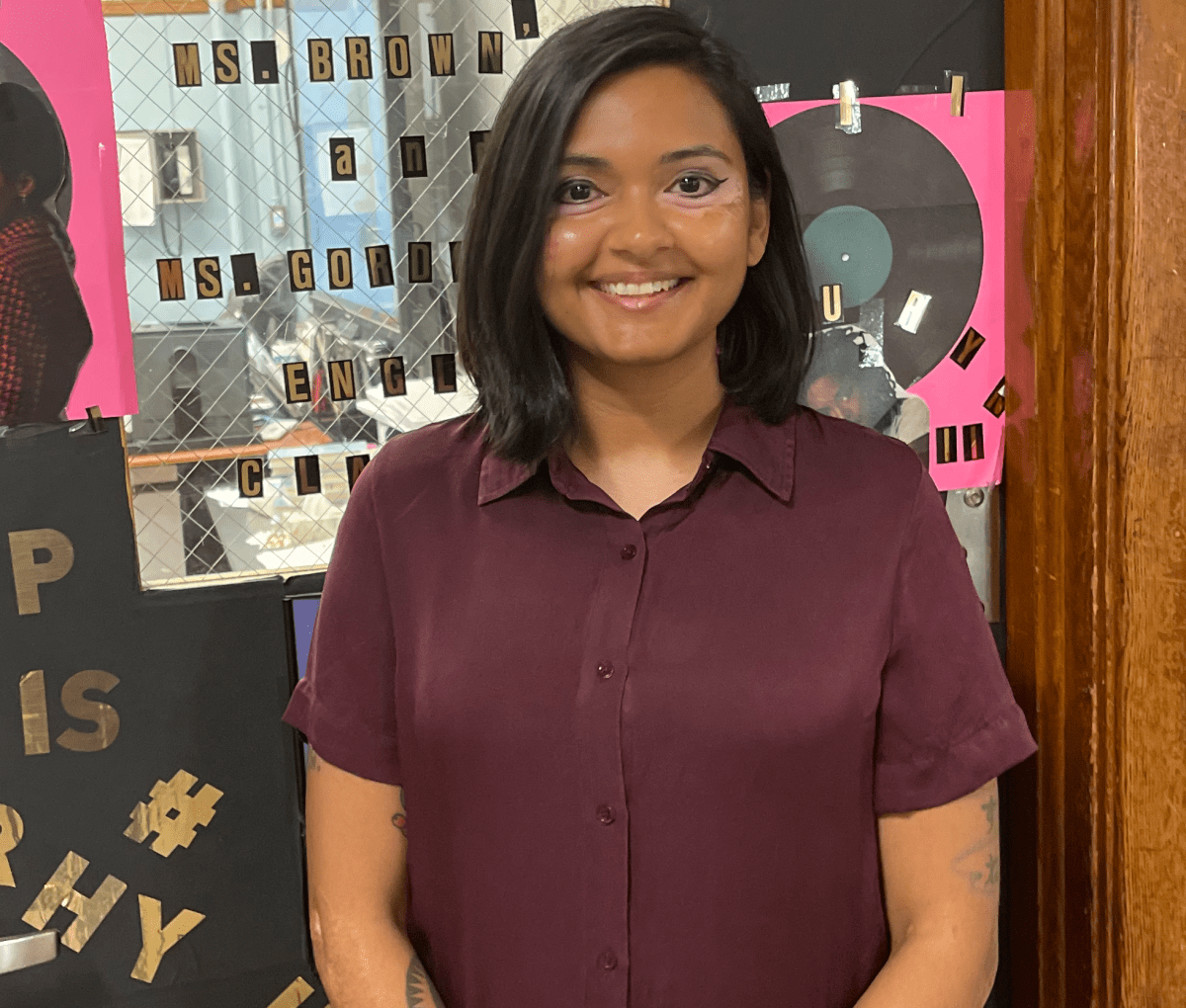
Anastasios Panagiotidis is a dedicated high school Earth Science teacher serving the South Huntington Union Free School District. As he approaches his tenure year at the age of 25, he recognizes that his career is still in its early stages. However, his passion for education and commitment to fostering a supportive and inclusive learning environment drive his work every day. Inspired by the culturally and academically diverse student population he teaches, he strives to design engaging, student-centered lessons that not only address individual needs but also connect learning to real-world contexts. His ultimate goal is to ensure that every student, regardless of their language proficiency or academic abilities, has the opportunity to reach their fullest potential under his instruction.
Touro University contributes to the tools, knowledge, and wisdom I strive to acquire as I continue to develop and mature as an educator, while allowing me the opportunity to broaden my horizons in a wide variety of areas relative to the rapidly evolving field of education.
Anastasios Panagiotidis, Touro University TESOL candidate
The SIOP Model: An Essential Framework for ESL Instruction by Prof. Dr. Jasmin Cowin
The Sheltered Instruction Observation Protocol (SIOP) is a research-based instructional model designed to support English Learners (ELs) in developing both content knowledge and English language proficiency simultaneously. Developed by Echevarria, Vogt, and Short, the SIOP model provides a structured approach to lesson planning and delivery, ensuring that ELs receive comprehensible input and meaningful language support across content areas.
As a TESOL educator, understanding and implementing the SIOP model is essential for effective ESL instruction. The model provides a structured yet flexible framework that ensures ELs have equitable access to academic content while simultaneously developing their language proficiency. By integrating language and content instruction, teachers can create an inclusive classroom environment that promotes both linguistic and cognitive development for English Learners.
The SIOP Model: Components and Structure
The SIOP framework consists of eight interrelated components that guide teachers in designing effective lessons for ELs:
Lesson Preparation
Clearly defined content and language objectives
Use of supplementary materials to support comprehension
Meaningful activities that integrate both content and language practice
Building Background
Explicitly linking students’ background knowledge to new content
Connecting past learning experiences to new concepts
Introducing and reinforcing key vocabulary
Comprehensible Input
Adjusting speech for EL proficiency levels
Using clear explanations of academic tasks
Incorporating visuals, gestures, and realia to support understanding
Strategies
Teaching students learning strategies to support comprehension
Encouraging metacognitive awareness and self-monitoring of learning
Scaffolding tasks through teacher modeling, guided practice, and peer collaboration
Interaction
Promoting student-to-student discourse using structured peer interactions
Designing opportunities for extended academic conversations
Encouraging collaborative learning experiences
Practice & Application
Providing hands-on learning experiences
Integrating reading, writing, speaking, and listening activities
Allowing ELs to apply language skills in meaningful contexts
Lesson Delivery
Ensuring objectives are clearly communicated and met
Keeping students engaged and maintaining an appropriate pace
Aligning instruction with student needs
Review & Assessment
Regularly reviewing key concepts and vocabulary
Conducting formative assessments to monitor comprehension
Providing feedback to guide language and content development
Anastasios Panagiotidis’ Discussion Board provides excellent insight into Building Background.
New York is a state that speaks many languages. We need teachers who can find the common ground.
The MS in Teaching English to Speakers of Other Languages (TESOL) Program helps NYS-certified PreK-12 teachers more effectively teach and communicate with a diverse student population.
Academically rigorous and practice-intensive, the 33-credit program includes 5-15 hours of fieldwork embedded in each course
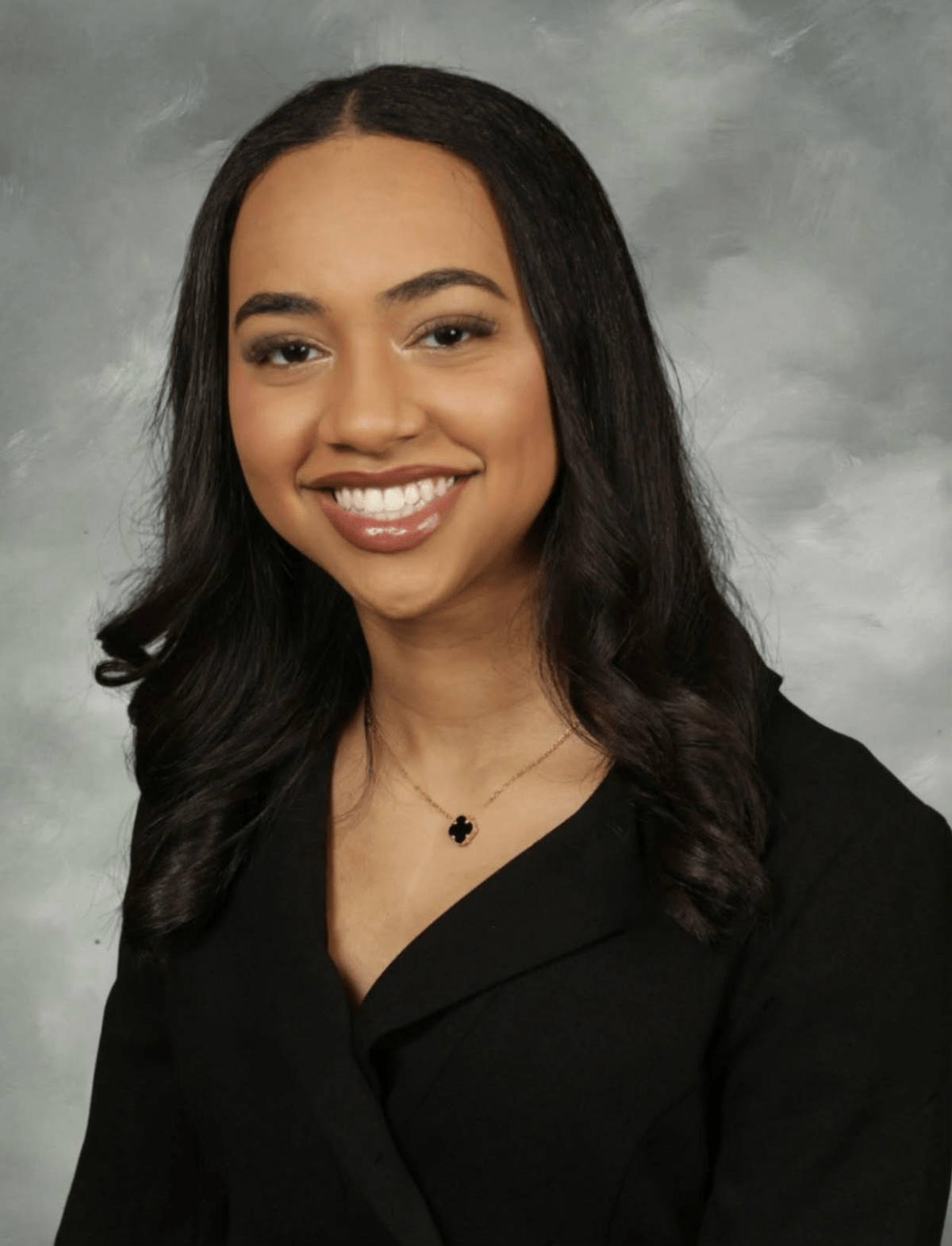
Hamida Abdalla is 22 and holds a bachelor’s degree in Childhood Education. She is pursuing a master’s degree in TESOL to help students develop their English language skills. Her goal is to create a supportive and accessible learning atmosphere that assists English language learners in improving their English language abilities, ensuring that every student can communicate effectively and achieve academic success.
Although this is only my first semester at Touro, I have gained valuable expertise to foster an inclusive learning environment where all students, regardless of their proficiency level, can thrive and reach their full potential.
Hamida Abdalla, Touro University, TESOL Candidate
Ms. Abdalla submitted an exemplary and rich Field Experience for EDDN 635: Curriculum Development and Classroom Management in the Technology Era which required that”Candidates will engage in a dual observational role: in the classroom with English Language Learners (ELLs) or bilingual students, they will examine how educators integrate technology to enhance language instruction and manage a diverse classroom; in the school library, they will observe the role of technology in supporting literacy skills among linguistically diverse students.”
This field experience assignment is AI-proof because it demands direct personal observation and critical analysis of real-world classroom dynamics and personal interactions that cannot be fabricated by AI systems. The requirement for candidates to simultaneously examine classroom technology integration for ELL students and library-based literacy support creates a complex, interconnected observational task requiring authentic human presence and professional judgment. The rich, contextual details that emerge from observing how educators and librarians support linguistically diverse students through technology cannot be convincingly generated by AI, as these observations must draw from genuine human experiences, professional educational insights, and a nuanced understanding of how different learning environments complement each other.
New York is a state that speaks many languages. We need teachers who can find the common ground.
The MS in Teaching English to Speakers of Other Languages (TESOL) Program helps NYS-certified PreK-12 teachers more effectively teach and communicate with a diverse student population.
Academically rigorous and practice-intensive, the 33-credit program includes 5-15 hours of fieldwork embedded in each course and at least 10 days or 50 hours of supervised student teaching experience. Candidates that complete all coursework, fieldwork, and student teaching requirements are eligible for recommendation for ESL certification.
What You’ll Learn
Each course tackles a distinct aspect of teaching English Language Learners, from curriculum development in a multicultural context to general and special education student assessment to sociolinguistics and second language acquisition. We explore the impact of cultural and language diversity on individual learning and community development.
Our goal is to train teachers to create effective, responsive learning environments where all students can thrive.
Online courses are available, and students can transfer up to twelve credits from previous graduate-level study toward our requirements. Students pursuing an Advanced Certificate in TESOL may apply their credits toward the Master’s degree. Completion of the program makes you eligible for New York State certification as a TESOL teacher for PreK-12.
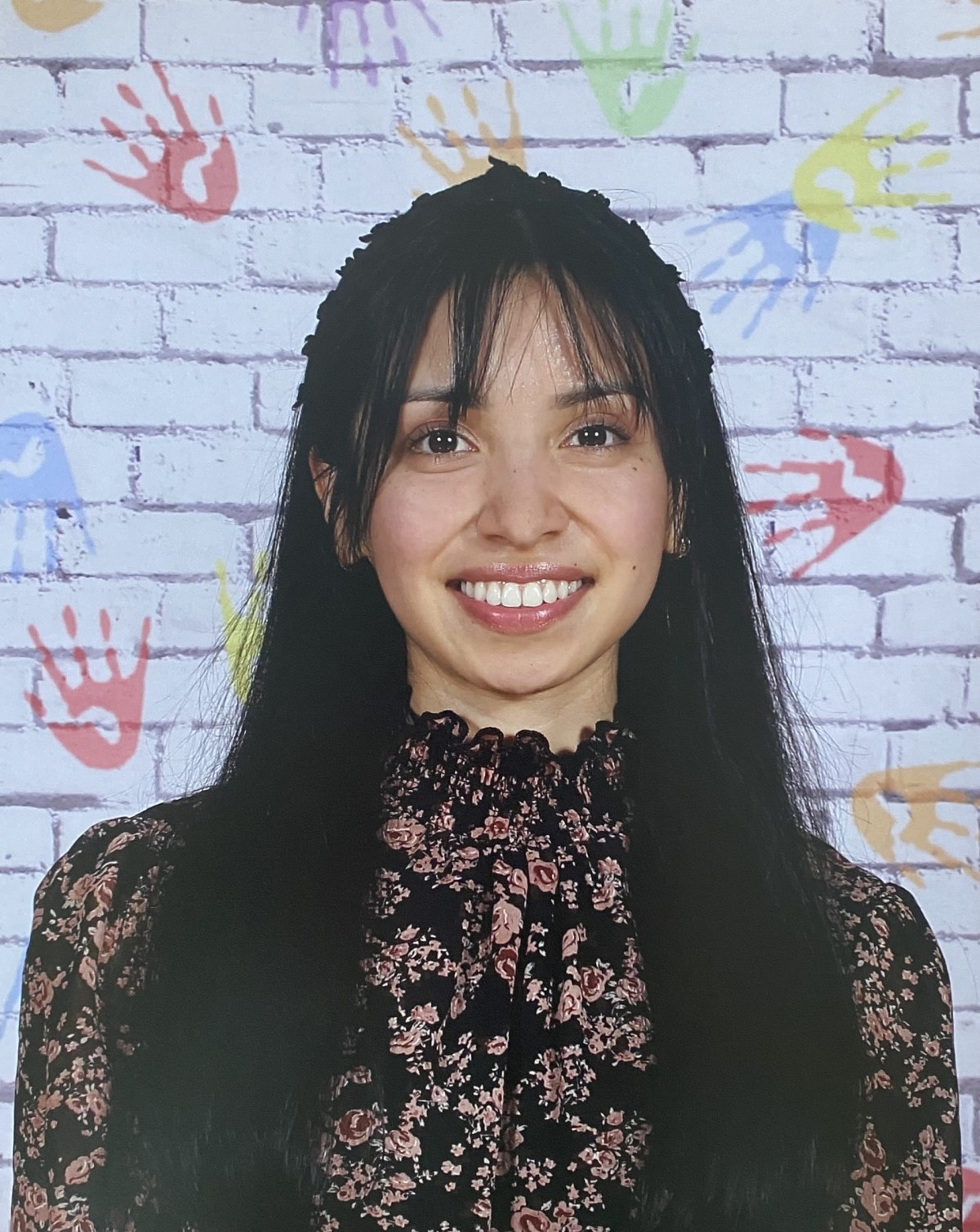
Ariana Vargas is a Mexican-Peruvian American who grew up in a predominantly Hispanic community, where she observed firsthand the challenges faced by students learning English as a new language. Despite these challenges, she found the experience deeply rewarding. Now, as a teacher in that same community, she is passionate about her work and finds joy in every moment of teaching.
Touro University has given me the tools and resources to not only be a good educator but be one that is always ready to learn. Ariana Vargas, Touro University TESOL Candidate
Students will become acquainted with and practice effective approaches, methods, and strategies for teaching and evaluating English language learners in the content areas (ELA, social studies, math and science). Throughout the course, students will explore the impact of culture and language on classroom learning. Special challenges in teaching and assessment in each content area will also be discussed. Includes 15 hours of fieldwork.
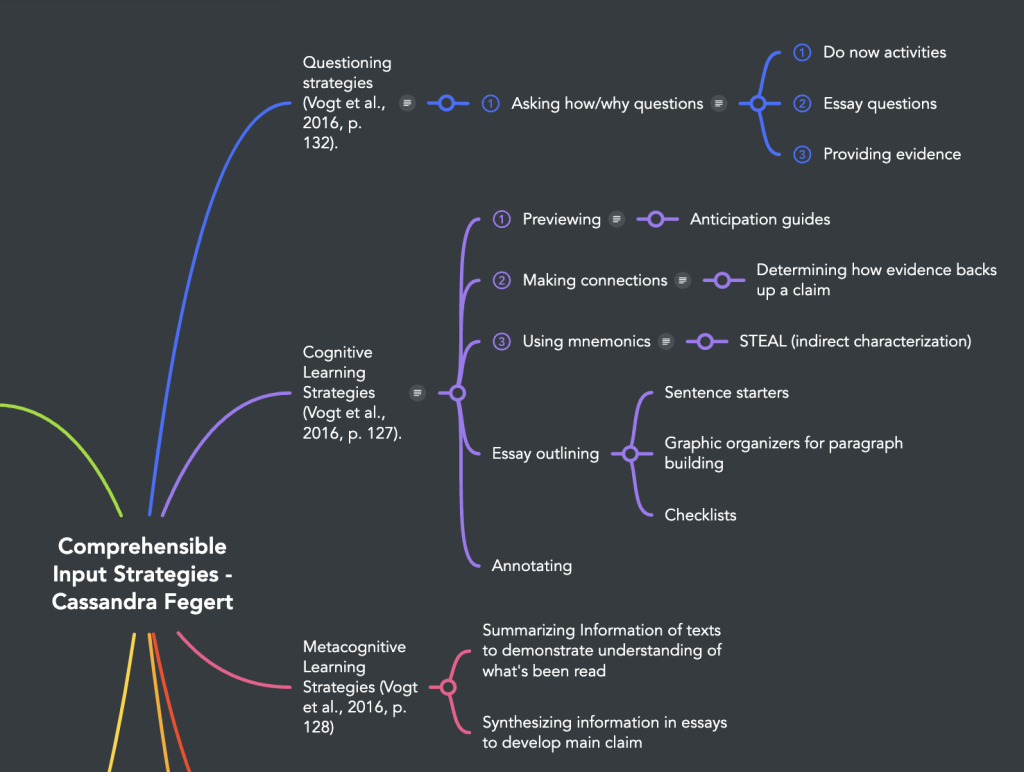
Bio: Cassandra Fegert is an English Language Arts high school teacher in Queens, New York. She is always seeking ways to underscore the importance of language and literacy while promoting student agency in her teaching. Having taught both English to native speakers and those learning English as a new language, she seeks to incorporate various ways of knowing in her classroom.
My journey at Touro has been an exciting one filled with immersive and innovative practices that enrich my pedagogical framework.
Cassandra Fegert, Touro University TESOL Candidate
This comprehensive course builds upon the foundation of curriculum development and classroom management in the context of teaching English language learners. Expanding its horizons to embrace the digital age, the course adeptly weaves innovative technology integration into the domain of Teaching English to Speakers of Other Languages (TESOL). Crafted to empower prospective TESOL/BLE educators, the course hones in on fostering competence in designing, implementing, assessing, and reflecting within diverse language learning environments, all while capitalizing on the potentials of cutting-edge technology. With a strong focus on practical application and discerning appraisal of technological tools, this course primes upcoming educators to excel amidst the ever-evolving educational landscape. Includes 10 hours of field work.
Kenia Torres is a Bilingual Kindergarten teacher in the Brentwood Union Free School District. She received her Bachelor’s Degree in Child Studies with a concentration in Speech Communication from Saint Joseph’s University, a Bilingual Extension from Touro University, and is currently enrolled in a TESOL program in Touro University. Kenia is passionate about developing a classroom community that allows all children to achieve their academic and personal goals. In the future, she would like to pursue an educational leader role to empower educators and students to catalyze school success. A quote that reflects Torres’ vision about the educational field is: “A teacher affects eternity; he can never tell where his influence stops.” by Henry Adams
Ms. Torres’ mindmap for the DB deliverable: Outline the process of aligning a TESOL curriculum with state and national standards as demonstrated in the Newburgh, NYS Curriculum Map using a mindmap tool such as FIGMALinks to an external site. orLucidChart.
Recently, the U.S. Department of State announced the selection of Prof. Dr. Jasmin Cowin of Touro University for an English Language Specialist project focusing on Assessment and Artificial Intelligence in Russia. Dr. Cowin is part of a select group, as her project is one of approximately 240 that the English Language Specialist Program supports each year. Prof. Cowin will serve as an English Language Specialist as plenary speaker and deliver a workshop for university professors and graduate students in Russia as part of a regional conference dedicated to linguistics, language teaching, and assessment.
In this interview we ask Dr. Jasmin Cowan about her experience and her thinking when it comes to various aspects of overcoming obstacles and achieving success.
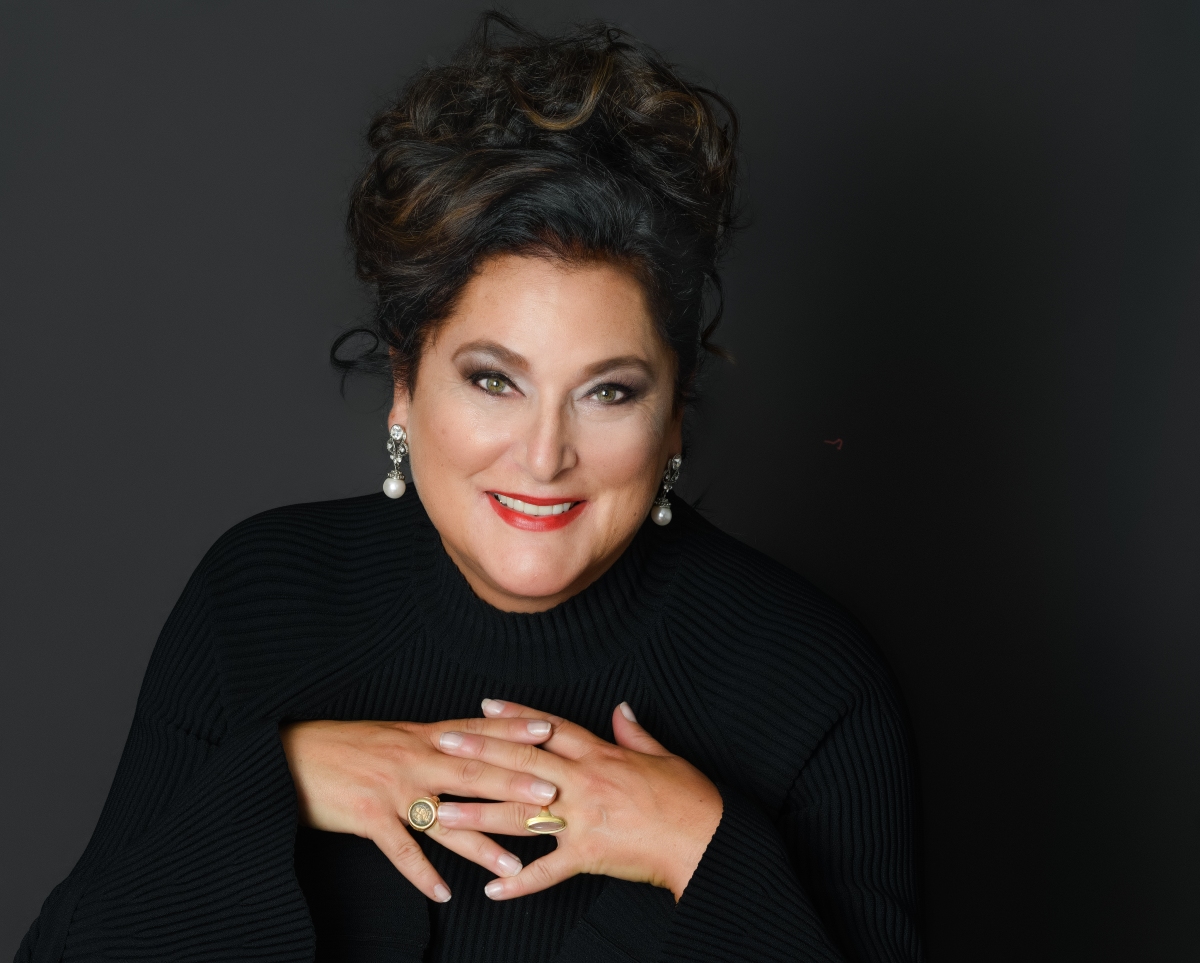
Dr Jasmin Cowin
Dr. Jasmin Cowin is an Associate Professor at Touro University, a Fulbright Scholar, an SIT Graduate, a past Education Policy Fellow at Columbia University, Teachers College, a U.S. Department of State English Language Specialist and harpist. Living in the era of the Fourth Industrial Revolution, she acknowledges the significant role she plays in preparing future educators who will teach well into the 2050s.
At the core of her personal and professional ethos lies a passionate commitment to Sustainable Development Goal 4, which aims to ‘ensure inclusive and equitable quality education and promote lifelong learning opportunities for all.’ This goal serves as the guiding principle for her work both at Touro University and as a pro-bono advisor to various not-for-profits and teacher education organizations in the US, Burundi, Morocco, and Yemen. Dr. Jasmin Cowin believes that education ignites the imagination, serves as the foundation for prosperity, and opens doors to a multitude of opportunities in our increasingly interconnected global economy.
Closer to home, as a board member of ‘Today’s Students, Tomorrow’s Teachers’, she actively supports efforts to recruit, mentor, and train culturally diverse and economically challenged students from high school through college, with the objective of placing them as effective teachers and committed leaders who can strengthen schools and communities. Similarly, her involvement with Computers for Schools Burundi underscores her commitment to leveraging education and technology to enhance educational outcomes in Burundi. By providing computers, technical training, cultural competency training, and English language training founder and CEO Emmanuel Ngendakuriyo, his incredible team, and Dr. Jasmin Cowin, aim to bridge the digital divide and empower both educators, students, and communities in Burundi with the skills necessary for success in the 21st century.
As an educator, teacher, mentor, and advisor, Dr. Jasmin Cowin has seen firsthand how passion transcends transactional processes. Her drive to leave the world a better place through education and technology goes beyond conventional metrics of success. It is about nurturing potential, fostering diversity, and creating lasting, positive change.
In the past year, what is the greatest business achievement you have achieved?
I am honored to have been selected by the U.S. Department of State for a prestigious English Language Specialist project focusing on assessment in education and Artificial Intelligence in Russia. My project, one of approximately 240 supported annually by the English Language Specialist Program, will involve serving as a plenary speaker and delivering a workshop for university professors and graduate students at a regional conference dedicated to linguistics, language teaching, and assessment. In addition, in 2023, I presented at the TESOL International conference in Portland and went to Morrocco and Germany to conduct workshops for both educators and students.
Business is all about overcoming obstacles and creating opportunities for growth. What do you seeas THE real challenge right now?
In the context of my work, and reflecting on my journey and ethos as an educator I am deeply invested in transformative education and the principles of Lynda Miller’s philosophy of abundance. For me the paramount challenge today is navigating the complexities of a Volatile, Uncertain, Complex, Ambiguous ( VUCA) world, especially with the rapid advancement of AI. This VUCA environment directly impacts all facets of our work and heralds a fundamental shift in how we should prepare our future workforce. This shift requires of being fully informed through discussion, vetting, and the responsible integration of AI and 4IR (Fourth Industrial Revolution) innovations into education and work.
For me, this VUCA world presents a double-edged sword: challenges and potential, but also risks and unintended consequences. While the rapid advancement of AI undeniably shapes the global business landscape, its integration into education requires cautious consideration. We must not solely focus on technological prowess at the expense of nurturing crucial human qualities like resilience, adaptability, and ethical judgment. Truly transformative education, therefore, necessitates a balanced approach that critically evaluates the role of 4IR technologies in learning, ensuring they serve as tools to augment, not replace, the irreplaceable human element in education.
My focus on quality education, aligned with the United Nations Sustainable Development Goal 4, positions me to address these challenges head-on. Through initiatives like Computers for Schools Burundi (CfSB) and TESOL “Train the Trainer” programs in Yemen and Morocco, I contribute to building a globally competent, technologically savvy, and ethically grounded teacher workforce. These programs, underpinned by a philosophy that views diversity and individual experiences as assets filled with positivity and optimism, are particularly valuable in preparing students and educators alike for the complexities of a VUCA world.
Moreover, the integration of AI into educational practices is not just about teaching technical skills; it’s about fostering a mindset that is prepared for continuous learning, ethical reasoning, and adaptability in the face of uncertainty. This involves cultivating an ethos among students and educators that values critical thinking, creativity, and the ethical use of technology, ensuring collectively we are not only consumers of AI but also informed contributors to a society that leverages AI for the common good.
What does “success” in the year to come mean to you? It could be on a personal or business level,please share your vision.
Success in the forthcoming year, from my perspective, centers on advancing my research and practical applications within metaverses like Agora World. This endeavor aims to revolutionize educational spaces for educators in training, both domestically and internationally. By integrating cutting-edge virtual environments, the goal is to transcend traditional learning methodologies, offering immersive and interactive experiences that cater to the evolving needs of educators and students.
Simultaneously, my work with simSchool in simulation training underscores my commitment to enhancing pedagogical strategies. This involves using simulations to prepare educators more effectively, by providing them with realistic scenarios and challenges they are likely to encounter in their classrooms.
Expanding my keynote speaking engagements is another facet of my goal for 2024/2025. By sharing my insights at various forums, I aim to influence the educational landscape positively. My perspective on success is fundamentally anchored in a non-transactional philosophy. It champions the idea of experiences as invaluable assets, imbued with positivity and optimism. Such a stance is crucial in counteracting the often dystopian narratives that pervade our contemporary discourse.
Personally, nearing the end of a decade and looking at a different life stage, I often reflect on [28] With them the Seed of Wisdom did I sow by Omar Khayyam (English version by Edward FitzGerald, Original Language Persian/Farsi):
With them the Seed of Wisdom did I sow,
And with my own hand labour’d it to grow:
And this was all the Harvest that I reap’d —
“I came like Water and like Wind I go.”
This particular quatrain from the poem “Rubáiyát of Omar Khayyám,” translated by Edward FitzGerald encapsulates for me a philosophical reflection on life, wisdom, and the transient nature of human existence. Omar Khayyám, a Persian mathematician, astronomer, philosopher, and poet, is known for his exploration of the universe’s mysteries and the human condition through his poetry. For me, the lines metaphorically discuss the poet’s journey of sowing the “Seed of Wisdom,” signifying the pursuit of knowledge and understanding throughout one’s life. The act of sowing and laboring with his own hands indicates a personal and active engagement in this quest for wisdom. However, the harvest or the outcome of this lifelong endeavor is described in a poignant realization: “I came like Water and like Wind I go.” This statement reflects on the ephemeral nature of life and achievements, suggesting that despite the efforts and wisdom gained, one’s existence and accomplishments are as transient as the elements of water and wind. This quatrain, therefore, speaks to the humility and acceptance of the limits of human life and achievements. I need to acknowledge that despite my deepest endeavors to understand and bring joy to the world around me, I am ultimately part of the natural cycle, coming and going with the fluidity of water and the fleetness of wind.
In your experience, what tends to be the most underestimated part of running a company? Canyou share an example?
Given the multifaceted nature of my role as a pro bono consultant, keynote speaker, conference organizer, workshop provider, and full-time Associate Professor, the underestimated parts of managing such a diverse portfolio revolve around several critical but often overlooked aspects. Even in a pro bono capacity, the administrative tasks can be substantial. This includes planning and coordinating events, managing communication with multiple organizations, and preparing materials for workshops and presentations, and keeping track of my expenses. The paperwork and logistical coordination involved in these activities can consume a significant amount of time and energy. I need to be very cognizant of pacing and focus given the diversity of my engagements. Pacing myself and maintaining focus becomes crucial. It’s easy to become overwhelmed by the sheer volume of work or to get sidetracked by new opportunities that arise from my engagements. Staying focused on my objective of SDG 4 and pacing my efforts to avoid burnout are essential strategies. In regards to self-care and maintaining personal space, it is critical to recognize the signs of overcommitment and to understand the value of saying no to protect my well-being.






 Dr. J's Education Blog