Why EDDN 637 Now Integrates the Science of Reading
Jasmin Cowin, Associate Professor, Touro University, GRE, TESOL/BLE Department | Path Forward Grant | PI: Dr. Seong Kim
New York is moving evidence-based literacy from professional judgment into regulatory expectation. Education Law §818 requires an annual review of district curriculum and instructional practices in reading for prekindergarten through grade three, with attestation to the Commissioner. In December 2024 the Board of Regents amended Section 100.3 of the Commissioner’s Regulations, and districts verified alignment by September 1, 2025. In July 2026 the Department introduced a proposed amendment of Sections 52.21 and 80-3.7 at the Board of Regents meeting. Teacher preparation programs in early childhood education, bilingual education, English language learners, literacy, and students with disabilities would be required to align their instruction with the State’s science of reading framework. Candidates would devote a portion of field experience and student teaching to evidence-based literacy instruction and to assessing students with reading challenges. A public comment period is underway and Board approval is anticipated in November.
Sources: NYSED, Elementary Requirements (Section 100.3): districts shall verify alignment of prekindergarten through grade three reading curriculum and instructional practices with the Commissioner’s instructional best practices on or before September 1, 2025, pursuant to Education Law §818 New York State Education Department NYSED, Prekindergarten-3rd Grade Literacy Instructional Best Practices Guide (§818 attestation) WXXI News, December 17, 2024: Board of Regents approval of the pre-K through grade three reading amendment Chalkbeat New York, July 20, 2026: proposed amendment of Sections 52.21 and 80-3.7 (https://lnkd.in/e3Pg9dQM)
EDDN 637 Second Language Learners and the Content Areas
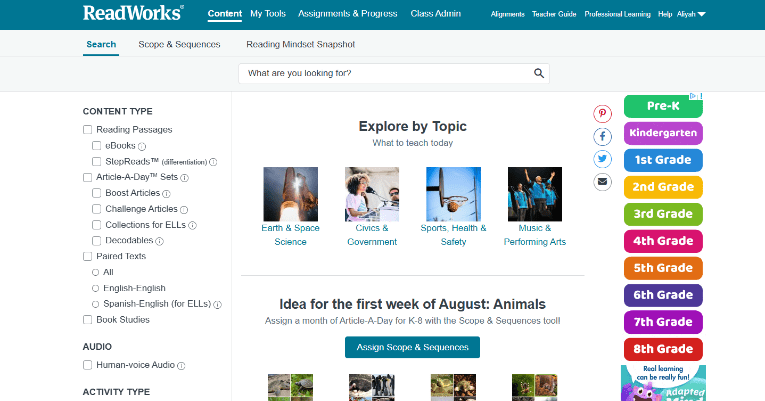
EDDN 637 – TESOL/BLE Department at Touro University responded through the Path Forward Grant with a module-by-module revision that preserves the SIOP architecture of the original Spring 2026 course while embedding reading research at each component. Module 1 opens with a mandatory Science of Reading survey establishing candidates’ baseline knowledge, which informs Lesson Preparation. Modules 2 and 4 add structured literacy to content and language objectives and to Comprehensible Input. Module 3 foregrounds oral language development and pathways to skilled reading under Building Background. Module 7 introduces phoneme segmentation, blending, and structured literacy assessment within Practice and Application. Module 9 adds Scarborough’s Reading Rope, ReadWorks resources, and a Diagnostic Decoding Survey so candidates can determine whether a reading difficulty originates in decoding, vocabulary, fluency, or language comprehension.
The alignment is deliberate since SIOP offers a framework for making content and academic language accessible, while the Science of Reading (SoR) explains the cognitive architecture that makes reading possible. Module 10 helps candidates distinguish second language acquisition needs from reading difficulties and disability-related needs, Module 11 introduces tiered instruction and infographic reflection, and Module 12 closes with a research reflection on skilled reading pathways. Candidates leave EDDN 637 prepared to plan, assess, and intervene using evidence, which is what New York now expects of them.
Conclusion via Candidate Evidence
Candidate work supplies the clearest measure of whether integration reached practice. In Discussion Board 5, Touro University TESOL Candidate Aliyah Giana Martinez in exemplary analysis of an informational text on trees built content and language objectives around the Big 6 components, vocabulary, and reading comprehension. She identified brick words carrying the domain-specific load of the text, including roots, trunk, branches, bark, crown, leaves, sap, stomata, flowers, and seeds, together with mortar words such as alive, grow, anchor, support, protect, and instead. The observation driving the plan was that brick words appear rarely outside scientific contexts, while mortar words surface across many contexts with shifting meaning, so both categories require explicit instruction before students encounter the text. Her differentiation plan drew on sentence frames, total physical response, shades of meaning, picture and audio support, and structured partner and whole-class discussion. Drawing on Herr’s The Sourcebook for Teaching Science, she designed labeled diagrams, comparison organizers connecting tree survival to human survival, a cumulative word wall, and a hands-on construction paper tree.
That construction paper tree is the realia outcome the course intends. Aliyah Giana Martinez moved from explicit vocabulary work toward comprehension of the text, then produced a tangible artifact that makes literacy learning visible and assessable. That construction paper tree is the realia outcome the course intends. Moving from explicit vocabulary work toward comprehension of the text, then producing a tangible artifact that makes literacy learning visible and assessable. The same theoretical learning carried into the fieldwork strands housed in Modules 10 and 11. Reporting from a placement classroom, a candidate documented lessons in which students reread familiar texts, read aloud individually, answered comprehension questions, discussed characters and events, and worked through new texts with teacher support. Her analysis was that word level skills and meaningful reading were being taught in connection with one another, so decoding work and comprehension work occupied the same instructional space. Ms. Martinez mapped these observations onto the SoR Pathways to Skilled Reading infographic introduced in Module 3, noting that skilled reading depends on word recognition together with language comprehension, and that students require explicit instruction in phonemic awareness, phonics, decoding, spelling, morphology, vocabulary, background knowledge, syntax, and comprehension. Locating each observed activity within that framework allowed her to read a single lesson as a set of identifiable components working together. Integration at the course level yielded observation, analysis, and application at the classroom level.
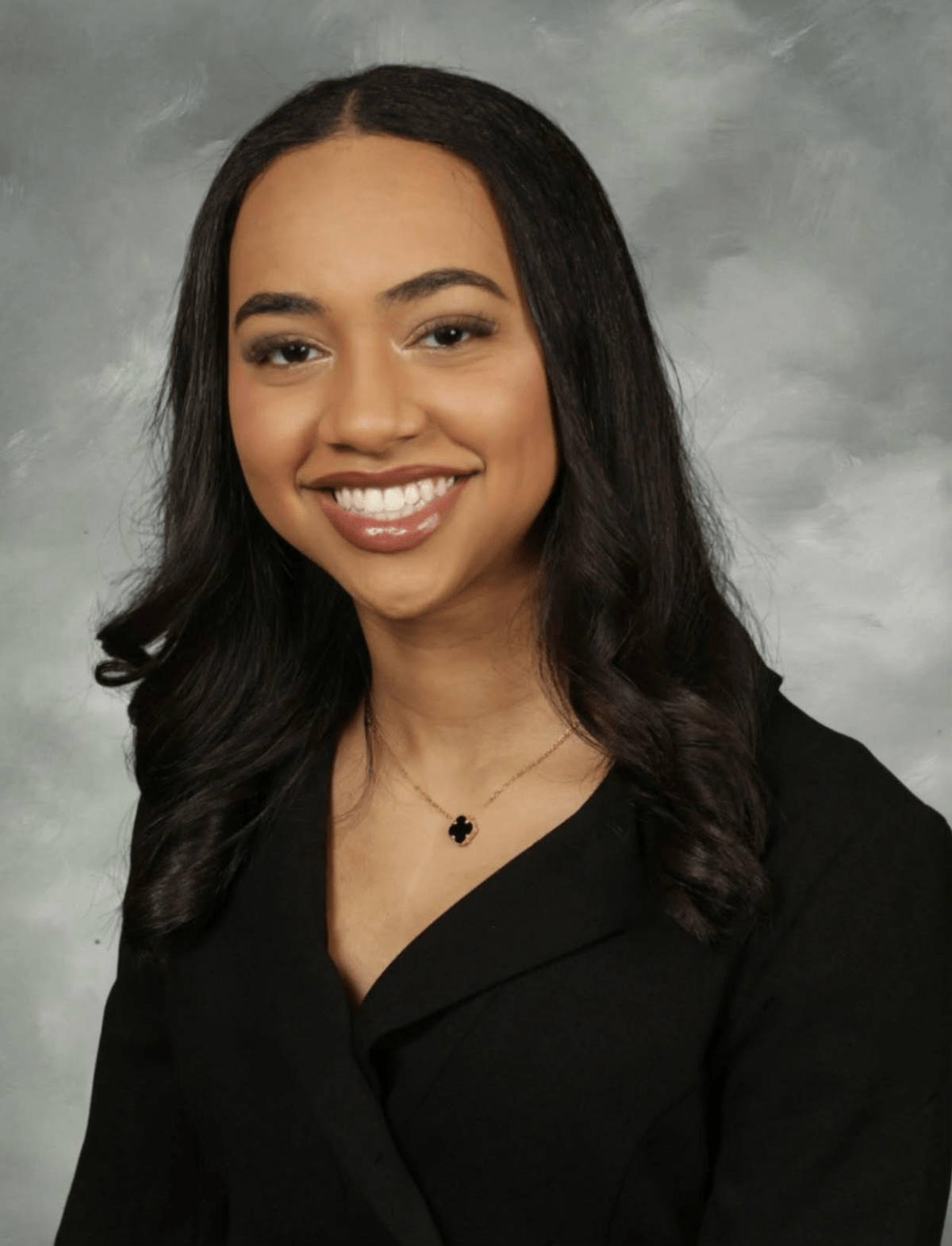
Aliyah Giana Martinez is of Chilean and Greek descent. She loves to travel, cook, and spend time outside going on adventures with her family and friends. She is a newly hired teacher who strives to support her students while learning from her colleagues in order to grow into the best educator she can be.
I am proud to feature her exemplary work in my blog!
Reading doesn’t just come to you, you have to be surrounded by people who believe in you and who will try a number of learning strategies with you to help you be the best reader you can be.
Aliyah Giana Martinez, Touro University TESOL Candidate
The Touro University TESOL EDDN 637 fieldwork experience is an essential component of TESOL preparation because it requires candidates to connect course theory with authentic instructional practice. Through focused observations, candidates examine how teachers support multilingual learners through comprehensible input, academic language development, differentiation, culturally responsive practices, technology, SIOP, and Science of Reading strategies. Rather than simply identifying instructional techniques, candidates must analyze how and why particular practices support, or fail to support, the linguistic, literacy, and academic development of multilingual learners.
This fieldwork also aligns with AAQEP expectations for high-quality educator preparation. AAQEP emphasizes candidate knowledge and skills, professional growth, responsiveness to diverse learners, evidence-based decision-making, and meaningful clinical experiences. The EDDN 637 fieldwork provides candidates with opportunities to demonstrate these expectations by observing instruction, documenting evidence, analyzing teacher and student interactions, and connecting observations to professional standards and course scholarship. The assignment therefore serves as more than a required number of field hours. It provides evidence that candidates can apply professional knowledge to the complex realities of TESOL practice.
Fieldwork as an AI-Resistant Assignment
This fieldwork is intentionally designed to require sustained, authentic engagement that cannot be replaced by AI. AI may assist with editing or organization, but it cannot complete the observation experience for the candidate. Candidates must closely examine actual teaching, maintain detailed field logs, document specific instructional events, include transcripts, and connect particular moments from lessons to SIOP, Science of Reading principles, course readings, and the needs of multilingual learners. Successful completion therefore depends on the candidate’s own observation, interpretation, and professional judgment.
The assignment also emphasizes the higher levels of Bloom’s Taxonomy. Candidates move beyond remembering and understanding course concepts to applying them to real instructional situations, analyzing relationships among teaching practices and student responses, and evaluating the effectiveness of instruction for multilingual learners. Candidates also engage in creating as they synthesize observations, transcripts, course scholarship, and professional reflection into a coherent analysis and propose ways instruction could be strengthened. In this way, the fieldwork assesses not only what our Touro University TESOL candidates know, but how effectively they can think, reason, and make evidence-based professional decisions.
Yeimy Alvarado is a graduate student at Touro University completing an Advanced Certificate in Teaching English to Speakers of Other Languages (TESOL). She is passionate about literacy and finding ways to support all students through effective and meaningful teaching practices. The summer 2026 semester at Touro has helped her to see the importance of the SIOP model and the Science of Reading and how she can use both to create a classroom where every student feels included, supported, and confident in their ability to learn and grow.
I have learned that teaching is not just about what we teach, but also about making sure students can understand and access the content. The Science of Reading has taught me the importance of explicit instruction, while SIOP has shown me how important it is to provide multilingual learners with the right language support, background knowledge, and opportunities to participate and learn. As an educator, these strategies have strengthened my understanding that making content comprehensible does not mean making the academic task easier, but rather providing students of all levels with the support they need to access challenging content and be successful.
Yeimy Alvarado, Touro University Advanced Certificate in Teaching English Candidate
Crystal Ching: I am a student at Touro University pursuing my childhood dream of becoming a teacher. Through my studies, the Science of Reading has shown me that intentional, explicit, and evidence-based strategies move students towards success. I strive to create an inclusive, welcoming, and supportive environment where all students will grow and thrive. Outside of work and school, I enjoy spending time outdoors with my friends and family, trying new food spots and playing sports!
This course provides an historical overview of second language acquisition theories and teaching methods. Students learn how to apply current approaches, methods and techniques, with attention to the effective use of materials, in teaching English as a second language. Students will engage in the planning and implementation of standards-based ENL instruction which includes differentiated learning experiences geared to students’ needs. Emphasis is placed on creating culturally responsive learning environments. The course also analyzes the applicability of applied linguistic studies to such teaching and the appropriateness of various methods and techniques to different developmental and skill levels. Special attention is given to curriculum development, planning and executing instructional activities. Additional emphasis is given to the selection of materials and the design of evaluation instruments for measuring cognitive development if the core subject areas. Includes 15 hours of fieldwork.3 credit hours
Prompt Engineering with Co-Pilot for Teacher Candidates
I use pre-created prompts to help my candidates develop rubrics with AI because this approach combines instructional scaffolding with professional judgment. By designing the prompts in advance, I can guide candidates toward course objectives, sound assessment principles, and program expectations while reducing the likelihood that AI will generate vague, misaligned, or inappropriate criteria.
I also see this process as a way to make rubric construction more transparent. Teacher candidates can examine how learning objectives are translated into assessment criteria, performance levels, and descriptors. I do not expect my candidates to accept an AI-generated rubric as a finished product. Instead, I ask them to evaluate, revise, and justify the rubric. This process supports assessment literacy, critical AI literacy, and reflective teaching.
Crystal Ching’s Insights: From Reading and Discourse to Prompt Engineering – Constructing Culturally Responsive Rubrics
Culture is prevalent and relevant in all aspects of learning, especially across all subjects and content areas for students. When teachers fail to understand a student’s first linguistic and cultural proficiency, it can be damaging their learning process. The role of linguistic and cultural proficiency in ESL/EFL reading and writing is to gauge what they know, understand patterns and how to proceed with support and instruction. As teachers, we can not assume that all students will know the rules of school, what sound a letter makes, or how to read and write the “proper way.” That “proper way” is how the Western culture reads and writes, but other cultures read and write another way. As Celce-Murica et al. (2013) note, “On the whole, to become proficient and effective communicators, learners need to attain L2 sociocultural competence” (p. 395). For example, the Western culture reads and writes from left to right. However, in other cultures, they read from right to left. As teachers, we can not assume that a child is confused or does not understand how to read and write. Instead, we need to understand the why, and that is due to their own culture and backgrounds. In addition, our Western culture in schools have certain rules. For example, lining up and walking together as a class to their next class. In other countries, students head to their next classes independently. These differences are not because a child is not following or respecting the rules of the classroom, but rather because this was their cultural routine and custom. Knowing a student’s L1 literacy is essential because it gives us teachers an understanding of what a student knows, literacy patterns they use, and how we can use their L1 as a foundation for their learning. When recognizing and identifying certain patterns of an L1, we can see the function of how a certain group uses language (Celce-Murica et al., 2013). Teachers can plan their future instruction based on a student’s L1 literacy, linguistic and cultural proficiency. We can build off what they know through existing patterns, or explicitly teach, model and integrate supports for these new skills and concepts. Without understanding a student’s culture and language, it only opens the gap for assumptions, confusion and frustration.
Chapter 21 has explored the use of assessment for formative purposes as well as for summative ones. Review the use of assessments in your classroom setting. What purposes do they serve? How are learners involved in learning and assessment? What external factors (e.g., NYS guidelines or state-mandated assessments) impact your choices about assessment? Celce-Murcia, Marianne; Brinton, Donna M.; Snow, Marguerite Ann. Teaching English as a Second or Foreign Language (p. 335). Heinle ELT. Kindle Edition.
In my classroom, students take assessments to see if they understood the topic or skill. I find that assessments are the most important part to a lesson because this proves how much students comprehended the lesson, and allows me to identify any shortcomings of my lesson. As Celce-Murica et al., (2013) states, “Effective teachers use classroom assessment for multiple purposes, such as determining their students’ learning needs, diagnosing specific learning challenges, monitoring the development of students’ skills and engaging students in their own learning processes” (p. 321). I implement formal, informal and summative assessments. Informal assessments help me monitor if students are understanding the topic in the moment. For example, I observe think-pair-shares, thumbs up or down and prompt comprehension questions to see if students need more support. When doing these informal assessments, it allows me to be flexible and adjust my instruction towards their learning needs. As for formative assessments, I use exit tickets/quick checks and quizzes. Exit tickets and quick checks are after my lessons, and only about one to two questions. These questions show what the students understood about the lesson, and what resources are needed to better understand, or if I need to reteach the lesson. The last assessment is a summative assessment. I use projects, and end of unit assessments. These come after the lessons to asses their understanding of the unit. Students are involved in their own learning because they are able to learn from each other through discussions as well as understanding where they may need additional support in. Through assessment, students are given feedback on their work, and this provides expectations from them and their work. Some external factors that can impact my choices in assessments are their own learning goals (RTI), district benchmarks/assessments or personal needs from a student. I had one student in RTI, and her assessments differed from the class because she needed support and growth towards her own goals. Her own goals were different from the class, and I provided the supports to ensure she met her own personal goals. In addition, my school has students take a district assessment, and this assessment compares grades throughout our district to assess the progress of the lesson and program (HMH). Lastly, I have given some personalized assessments for students because their families were concerned about their learning. I accommodated and differentiated certain assessments to elicit growth from my student, before transitioning them to other assessments. Overall, assessments are just as important as a lesson, and should always be valid, accurate and flexible.
For this part, YOU ARE ALLOWED TO use MICROSOFT COPILOT ONLY. Run the following prompt for assessment – you need to use the complete prompt and individualize by completing the [brackets].
Domain
Highly Effective (H)
Effective (E)
Developing (D)
Ineffective (I)
Content Knowledge Teacher understanding of OG principles & vowel‑r concepts
Demonstrates expert command of OG routines and ir/ur/er concepts; provides precise explanations of r‑controlled vowels; anticipates misconceptions and uses multiple examples (e.g., bird, fern, curl).
Demonstrates solid understanding of OG routines and vowel‑r concepts; explanations are accurate and grade‑appropriate; provides several correct examples.
Demonstrates partial understanding; explanations sometimes lack clarity or precision; examples may be limited or occasionally inaccurate.
Demonstrates insufficient understanding; explanations are unclear or incorrect; examples are missing or inaccurate.
Organization of Lesson Structure, pacing, and sequence
Lesson follows OG’s structured, cumulative sequence flawlessly; pacing is responsive; transitions between multisensory components are seamless; materials are fully prepared.
Lesson follows OG sequence with minor inconsistencies; pacing is appropriate; transitions are generally smooth; materials are ready.
Lesson shows inconsistent structure; pacing is uneven; transitions may cause confusion; materials sometimes missing or disorganized.
Lesson lacks OG structure; pacing is inappropriate; transitions are disjointed; materials are unprepared.
Provides clear, concise modeling of decoding/encoding ir/ur/er; uses multisensory routines (skywriting, tapping, blending) with precision; articulation of r‑controlled vowels is crisp and consistent.
Provides clear modeling; uses multisensory routines correctly; articulation is generally accurate.
Modeling is sometimes unclear; multisensory routines are inconsistently applied; articulation errors occasionally occur.
Modeling is unclear or incorrect; multisensory routines are absent or misused; articulation errors interfere with learning.
Students are highly engaged; all participate in decoding, encoding, and multisensory tasks; students eagerly generate examples (e.g., “*I can spell her, fur, sir!”).
Students are consistently engaged; most participate in multisensory tasks and respond to prompts.
Engagement is inconsistent; some students participate minimally; multisensory tasks do not fully involve the group.
Students are disengaged; few participate; multisensory routines are ineffective or unused.
Pronunciation & Phonemic Accuracy Teacher modeling & student production
Teacher models precise r‑controlled vowel sounds; students consistently produce accurate pronunciations; teacher corrects errors immediately with OG language (“Listen to the vowel sound before the r”).
Teacher models accurate sounds; students generally pronounce correctly; teacher corrects most errors.
Teacher modeling is inconsistent; students show frequent pronunciation errors; corrections are sporadic.
Teacher modeling is inaccurate; students consistently mispronounce; errors go uncorrected.
Decoding Skills Reading words with ir/ur/er
Students decode ir/ur/er words fluently and accurately in isolation and connected text; self‑correct using OG strategies (tapping, chunking).
Students decode most ir/ur/er words accurately; occasional errors corrected with prompting.
Students decode with frequent errors; require repeated prompting; limited use of OG strategies.
Students cannot decode ir/ur/er words; do not use OG strategies; errors persist.
Encoding/Spelling Skills Writing words with ir/ur/er
Students spell ir/ur/er words consistently and accurately; apply generalizations (e.g., er most common at end of words); use tapping and dictation routines independently.
Students spell most ir/ur/er words correctly; apply routines with minimal prompting.
Students spell with inconsistent accuracy; rely heavily on teacher support; routines applied inconsistently.
Students cannot spell ir/ur/er words; routines not used; errors show no understanding of patterns.
Error Correction & Feedback Use of OG‑aligned corrective feedback
Provides immediate, specific, OG‑aligned feedback (“Let’s tap it out together… what vowel sound do you hear before the r?”); students revise accurately.
Provides timely, accurate feedback; students correct most errors.
Feedback is inconsistent or vague; students correct some errors but misunderstandings persist.
Feedback is absent or incorrect; students do not correct errors.
Student Independence & Transfer Application beyond the lesson
Students independently apply ir/ur/er knowledge in reading, writing, and unfamiliar contexts; demonstrate metacognitive awareness (“I know it’s er because it’s at the end”).
Students apply skills in familiar contexts; some transfer to new tasks with prompting.
Students apply skills only during guided practice; limited transfer to new tasks.
Students do not apply skills; no evidence of transfer.
What did you learn using this prompt?
For my school, we use Orton-Gillingham (OG) as a program to help students learn to read, “The Science of Reading”. Most teachers are trained for this program and is used for small groups, pull-out programs and with the entire class. My school implements this program and we found it with the use of data, that students were able to read and write more fluently. Many of the ELL students at my school work either one to one, or in a small group once a day, or depending on their placement. I utilize OG in my classroom and I also work with a OG mentor. After looking at this chart, it has made me realize that there are many components to this program for both students, and for me as a teacher. I like that I also have a rubric and checklist to follow so that this ensures that my students are always being supported in their learning needs. I like that this chart broke down each category from decoding, encoding, error correction to student independence. I will be using this rubric and chart because these components dive deeper than just learning the concept and skill. It also accounts for application and transfer of this beyond the lesson.
Reference:
Celce-Murcia, M. (2013). Teaching English as a Second or Foreign Language. Fourth Edition.
Peer Responses:
Hi S.!
I enjoyed reading your discussion and agree with your points! I liked when you mentioned, “In other words, cultural proficiency supports linguistic proficiency being used appropriately within L2 sociocultural norms.” I agree with this because in order for students to communicate effectively, students need to understand why they are using the language. From the textbook, Celce-Murcia mentioned an example that reminded me of your post! She noted that a simple “thank you” can just be said, but if a speaker does not know the complexities behind that phrase, it is not communicated effectively. As teachers, we need to ensure that students know how to read and write, but also the “why.” We need to use what they already know and possess as a foundation to their learning. Our Western culture can be vastly different or similar to the students, and we can not assume. We need to provide the proper supports that ensure students have a strong understanding of both their own and new cultural and linguistic concepts.
Hi M!
I enjoyed reading your discussion! I also read your thoughts about the AI prompt and wanted to share what I learned! At my school, we have PDs that use AI, and I found this tip to be helpful! When you noted, “I had some difficulty filling the prompt but found that the specific wording within the prompt was helpful in creating specific elements of the generation” it made me reflect on when I first started using AI too. It is hard and sometimes a bit frustrating to get a specific answer. I use the AIM METHOD:
1. Actor (Who is the AI supposed to be?)
Assign a specific role/person
Example: “Act as a 2nd grade teacher of 20 students, ranging in different math proficiencies”
2. Input (What is the Context?)
Provide background information the AI needs to complete the task.
Example:Students are having difficulty with adding up to 20, using the number line.
3. Mission (What is the Goal?)
State exactly what you want the AI to do, including all the specifics you want
Example: Create a worksheet that reteaches the skill of adding up to 20 using the number line.
I hope that helps!
Hi D.!
I liked reading your discussion and agree with your points! I liked when you noted, “I try to involve students by having them complete self-assessments, reflect on their work, and use teacher feedback to improve over time rather than focusing only on a final grade.” Sometimes I catch myself providing ample feedback to students towards the end of the lesson. I find that that this is not as effective as giving them feedback during the lesson. It makes me think, “What is the point in providing support once the assessment and lesson is completed?” Yes, feedback is important, but it is also important for students to be given support overtime. This way, students can fix and learn from their errors in the moment rather than giving a low grade and not understanding their errors.
EDPN 673: Methods and Materials for Teaching English as a Second Language: The Instructional Material Critique & Redesign with Infographic assignment prepares Touro University TESOL candidates to critically evaluate and adapt instructional materials for multilingual learners across diverse educational contexts. The assignment structure addresses specific TESOL and AAQEP standard requirements while developing essential professional competencies our graduates need in the field. The dual-material analysis requirement ensures candidates develop expertise in material evaluation across developmental levels, addressing TESOL Standard 2 by requiring deep analysis of how language acquisition intersects with academic content delivery. Candidates must demonstrate understanding of developmental language trajectories and their implications for instructional material selection, a core competency for effective TESOL practice. The WIDA PRIME protocol integration provides candidates with industry-standard evaluation tools currently used by school districts nationwide for material adoption decisions. This practical application directly aligns with AAQEP Standard 1’s emphasis on evidence-based practice while ensuring our graduates can contribute meaningfully to curriculum adoption processes in their professional contexts. The non-negotiable criteria assessment develops candidates’ capacity to identify and address systemic barriers that multilingual learners face in accessing grade-level content. This component operationalizes TESOL Standard 3 by requiring examination of cultural representation and linguistic accessibility, while AAQEP Standard 2’s equity focus is addressed through critical analysis of how materials support or hinder multilingual learner success. The redesign component transforms theoretical knowledge into practical application through differentiated material adaptation. Candidates must operationalize TESOL Standard 5 by creating instructionally sound modifications that maintain academic rigor while providing appropriate linguistic scaffolding across proficiency levels. This authentic assessment demonstrates candidate impact on multilingual learner outcomes, satisfying AAQEP Standard 3 requirements. The infographic creation simultaneously addresses AAQEP’s technology integration competency requirements and develops visual literacy skills essential for multilingual learner instruction. Candidates must demonstrate proficiency with digital design tools while creating pedagogically sound visual supports that enhance comprehension for diverse learners. This component ensures graduates can effectively integrate educational technology to improve multilingual learner outcomes while building practical skills for immediate classroom application. This assignment ensures our graduates possess both analytical expertise and practical competencies necessary for effective multilingual learner instruction.
Oralia Lainez-Tutka is a middle school Spanish teacher on Staten Island. Coming from a Spanish-speaking household, she is proud to be a first-generation college graduate now pursuing her master’s in TESOL at Touro College. She’s also a mom to a bilingual toddler, which makes this journey even more meaningful to her. She’s currently in her third semester.
I am already applying new scaffolding strategies and techniques in my teaching. I’ve learned a lot so far during my Touro journey and am truly enjoying the learning process. I feel well supported by my professors and the program as a whole.
Oralia Lainez-Tutka, TESOL Master’s Candidate, Touro University
In this exclusive interview for Stankevicius Wolfgang Lehmacher offers a candid perspective on today’s logistics challenges: how de-globalization intersects with systems-level inefficiencies, why predictive analytics alone can’t solve carbon emissions, and what kind of innovation -cultural as much as technical – is required to redesign supply chains for a turbulent future. His views dovetail with the research evidence: that building intelligent, AI-powered supply chains requires not just algorithms but alignment—between systems, stakeholders, and strategies.
New York is a state that speaks many languages. We need teachers who can find the common ground.
The MS in Teaching English to Speakers of Other Languages (TESOL) Program helps NYS-certified PreK-12 teachers more effectively teach and communicate with a diverse student population.
Academically rigorous and practice-intensive, the 33-credit program includes 5-15 hours of fieldwork embedded in each course
Hamida Abdalla is 22 and holds a bachelor’s degree in Childhood Education. She is pursuing a master’s degree in TESOL to help students develop their English language skills. Her goal is to create a supportive and accessible learning atmosphere that assists English language learners in improving their English language abilities, ensuring that every student can communicate effectively and achieve academic success.
Although this is only my first semester at Touro, I have gained valuable expertise to foster an inclusive learning environment where all students, regardless of their proficiency level, can thrive and reach their full potential.
Hamida Abdalla, Touro University, TESOL Candidate
Ms. Abdalla submitted an exemplary and rich Field Experience for EDDN 635: Curriculum Development and Classroom Management in the Technology Era which required that”Candidates will engage in a dual observational role: in the classroom with English Language Learners (ELLs) or bilingual students, they will examine how educators integrate technology to enhance language instruction and manage a diverse classroom; in the school library, they will observe the role of technology in supporting literacy skills among linguistically diverse students.”
This field experience assignment is AI-proof because it demands direct personal observation and critical analysis of real-world classroom dynamics and personal interactions that cannot be fabricated by AI systems. The requirement for candidates to simultaneously examine classroom technology integration for ELL students and library-based literacy support creates a complex, interconnected observational task requiring authentic human presence and professional judgment. The rich, contextual details that emerge from observing how educators and librarians support linguistically diverse students through technology cannot be convincingly generated by AI, as these observations must draw from genuine human experiences, professional educational insights, and a nuanced understanding of how different learning environments complement each other.
New York’s classrooms are some of the most culturally and linguistically diverse in the country. Our TESOL certificate program prepares NYS-certified teachers to provide responsive, comprehensive education to students of every background.
EDDN 637 Second Language Learners and the Content Areas
Students will become acquainted with and practice effective approaches, methods, and strategies for teaching and evaluating English language learners in the content areas (ELA, social studies, math and science). Throughout the course, students will explore the impact of culture and language on classroom learning. Special challenges in teaching and assessment in each content area will also be discussed. Includes 15 hours of field work.
Julianna Walter, a 22-year-old graduate student in the TESOL program at Touro University holds an undergraduate degree in Elementary Education with a focus on both General and Special Education. Her passion for working with children and shaping young minds has always been a driving force in her career and studies.
“As a first-semester student in the TESOL program, I have already gained valuable strategies and tools for supporting English language learners, which I am eager to incorporate into my future classroom.”
Julianna Walter, TESOL program at Touro University
Excerpt by Julianna Walter, TESOL program at Touro University
Sentence Structure:
There are various sentence structures within the story ranging from short to long. The average sentence length in this story is 8 words. An example of a short sentence structure, with
minimal words, in the story is “Then I see him” (HMH, 31). This is one of the few short sentences in the story, as most sentences are longer and filled with detailed ideas that add to their length. An example of a longer sentence written in the story is “When I wake up on Saturday I put on my pink shirt, my favorite polka dot skirt, and my favorite hat— the one my abuelita brought me from Peru” (HMH, 30). Simple and complex sentence structures are also displayed throughout the story. The sentence “I like to wear polka dots” is an example of a simple sentence because it possesses a subject-verb-object structure. These types of sentences are more clear and straightforward making it more understandable for ELL students. Compound sentences “contain more than one independent clause” (Four Types of Sentences to Know). An example of a compound sentence in the story is “I am part Peruvian, and I am part Scottish” ( This sentence combines two related ideas with a conjunction. By basing this lesson on a story with various sentence lengths and structures it helps to build the students comprehension abilities. Second language learners will be able to improve their fluency and practice decoding words.
I am very proud that my student Carly Croteau was selected to present at Touro University for the first GSE Shines Conference.
Carly Croteau graduated from SUNY New Paltz in 2021 with a Bachelor of Science Degree in Early Childhood and Childhood Education, concentrating in Spanish and minoring in Deaf Studies. As a dedicated student-athlete, Carly played on the varsity field hockey team for four years, serving as team captain for three of those years. In September 2022, C. began teaching fourth grade while pursuing a Master of Science Degree in Teaching English to Speakers of Other Languages (TESOL).
Croteau, C. (2024, September 22). Leveraging fidgets for enhanced engagement in TESOL classrooms: A TPR approach. GSE Shines Conference, Touro University.
As an Associate Professor for the Touro University TESOL/BLE Department, I am immensely proud to feature outstanding student work from our MS in Teaching English to Speakers of Other Languages (TESOL) Program. New York’s linguistic diversity demands teachers who can find common ground and effectively communicate with students from different language backgrounds. Academically rigorous and practice-intensive, the 33-credit program leads candidates who complete all coursework, and fieldwork to recommendation for ESL certification.
Carly Croteau graduated from SUNY New Paltz in 2021 with a Bachelor of Science in Early Childhood and Childhood Education, concentrating in Spanish and minoring in Deaf Studies. Throughout her tenure at SUNY New Paltz, she was a committed varsity student athlete, playing for the field hockey team and serving as a three-year captain for the program. In September 2022, she began teaching fourth grade and started to work towards a Master of Science in Teaching English to Speakers of Other Languages (TESOL).